
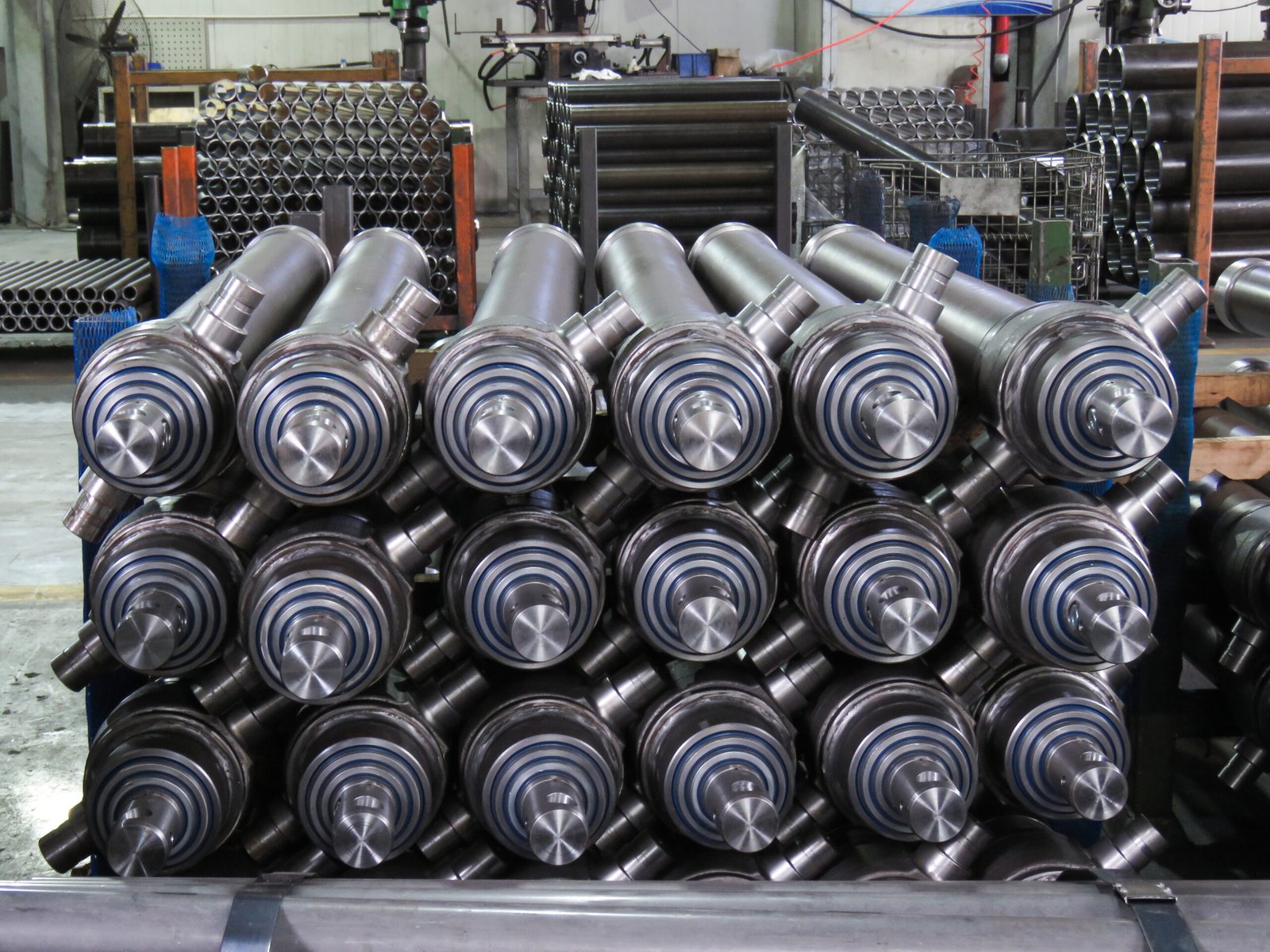
When a tractor loader hydraulic cylinder starts leaking, loses lifting force, or fails to extend and retract smoothly, replacing it with the correct cylinder is essential to restoring equipment performance. However, finding a suitable replacement is not always as simple as matching the tractor brand or choosing a cylinder that looks similar.
Replacement tractor loader cylinders must match the original mounting dimensions, bore diameter, rod diameter, stroke length, hydraulic connections, and operating requirements. Even a small dimensional difference can affect loader movement, installation clearance, and overall performance.
For tractor owners, agricultural equipment dealers, hydraulic repair shops, and OEM buyers, understanding these specifications helps prevent costly fitment problems and unnecessary downtime.
Toleng Hydraulics provides custom hydraulic cylinder manufacturing solutions for tractors, front-end loaders, and agricultural machinery. By working from technical drawings, original specifications, or available cylinder samples, buyers can explore replacement options tailored to their equipment and application.
What Are Replacement Tractor Loader Cylinders?
Replacement tractor loader cylinders are hydraulic actuators designed to replace worn, damaged, leaking, or obsolete cylinders used on tractor-mounted front loaders.
These cylinders convert hydraulic pressure into linear mechanical force, allowing the loader to lift its arms, tilt the bucket, and operate certain attachments.
Most front-end tractor loaders use two primary cylinder types.
1. Tractor Loader Lift Cylinders
Lift cylinders raise and lower the loader arms. Depending on the loader design, one or two cylinders may control the lifting mechanism.
Because these cylinders handle substantial loads and repeated operating cycles, the replacement must provide the required force, stroke, mounting geometry, and structural strength.
2. Tractor Loader Bucket Tilt Cylinders
Bucket tilt cylinders control the bucket angle during digging, loading, carrying, and dumping. They may also be used to operate other compatible front-loader implements.
These cylinders need the correct stroke and mounting dimensions to maintain the intended bucket movement and linkage geometry.
3. Auxiliary Attachment Cylinders
Some tractor loaders use additional hydraulic cylinders for grapples, hydraulic quick couplers, fork positioning, or other attachments.
These applications may require shorter strokes, compact mounting arrangements, or different hydraulic connections. Confirm the attachment’s requirements before selecting a replacement.
When Should You Replace a Tractor Loader Hydraulic Cylinder?
Not every hydraulic cylinder problem requires complete replacement. Some faults can be corrected by replacing seals or repairing serviceable components. However, replacement may be more appropriate when the cylinder has significant mechanical damage or when repair is no longer economical.
Common warning signs include:
- External hydraulic oil leakage: Oil around the rod seal, gland, ports, or welded joints may indicate a damaged seal, worn surface, or structural problem.
- Scored or bent piston rod: Rod damage can destroy new seals and cause repeated leakage.
- Reduced lifting performance: The loader may struggle under load because of internal cylinder leakage, insufficient system pressure, or another hydraulic fault.
- Uneven or jerky movement: This may result from air in the system, contamination, damaged components, misalignment, or other hydraulic problems.
- Cylinder drift: A raised loader that gradually lowers may have internal cylinder leakage, a leaking control valve, or another system fault.
- Obsolete or unavailable parts: Older tractor loaders may use cylinders that are difficult to source through the original equipment supplier.
Before ordering a replacement, determine whether the problem originates in the cylinder or elsewhere in the hydraulic system. A new cylinder will not resolve a faulty control valve, damaged hydraulic pump, or incorrect system pressure.
How to Choose the Right Replacement Tractor Loader Cylinder
Correct fitment is the most important consideration when selecting replacement tractor loader cylinders. Use the original equipment specifications whenever possible, then verify the physical dimensions and operating requirements.
1. Identify the Tractor and Loader Model
Record the tractor make, model, year, and front-loader model or serial number. Check the parts manual or original cylinder part number if available.
This information helps narrow down the correct configuration, but it does not guarantee compatibility by itself. A single tractor model may use different loader configurations or replacement parts depending on the equipment version.
If the original cylinder is no longer available, a custom-manufactured replacement may be an option.
2. Measure the Bore Diameter
The bore diameter is the internal diameter of the cylinder barrel. It affects the force generated at a given hydraulic pressure.
For a single-rod cylinder, the theoretical extension force is:
Extension force = Hydraulic pressure × Piston area
A larger bore can produce more force at the same pressure, but it also requires more oil volume to complete a given stroke. Changing the bore without checking the hydraulic system and loader design may affect operating speed and performance.
For replacement applications, use the original specification or obtain engineering confirmation before changing the bore size.
3. Measure the Piston Rod Diameter
The rod diameter affects strength, buckling resistance, and the available retraction force.
An undersized rod may not withstand the loads encountered in the application. An oversized rod may not fit the original gland, mounting arrangement, or available clearance.
The replacement rod should be selected according to the original design and actual loading conditions, rather than appearance alone.
4. Confirm the Stroke Length
Stroke length is the distance the piston rod travels between its fully retracted and fully extended positions.
An incorrect stroke can change the loader’s lifting height or bucket rotation. It may also cause interference with the loader frame or place unwanted loads on the linkage.
Measure the original stroke or obtain it from the equipment documentation. Do not estimate stroke length from the exposed rod alone.
5. Check Closed Length and Extended Length
These dimensions are particularly important for tractor loader cylinder replacement.
- Closed length: The pin-center distance when the cylinder is fully retracted.
- Extended length: The pin-center distance when the cylinder is fully extended.
For cylinders with different end configurations, use the appropriate manufacturer-defined reference points.
Matching the bore and stroke is not enough if the mounting centers differ. Incorrect overall geometry can affect loader travel and prevent the cylinder from fitting the existing structure.
6. Verify Mounting Style and Pin Dimensions
Common mounting arrangements include clevis ends, pin-eye mounts, and cross-tube mounts.
Confirm the following details:
- Pin-hole diameter
- Mounting width
- Pin-center distance
- End fitting shape
- Available clearance around the barrel and rod
- Alignment between the cylinder and loader linkage
Mounting dimensions must match the original equipment or an approved engineering design. Do not force a replacement into place or modify load-bearing mounts without a qualified engineering review.
7. Check Hydraulic Ports and Operating Pressure
Confirm the port thread type, port size, port location, and hose clearance. A replacement with an incorrect thread can cause leakage or damage the hydraulic connection.
Also verify the required operating pressure and the cylinder’s rated pressure. The cylinder must be suitable for the tractor’s hydraulic system and intended application.
Do not assume that every tractor loader operates at the same pressure. Use the equipment documentation or consult a qualified hydraulic technician.
Replacement Tractor Loader Cylinders: Measurement Checklist
Before contacting a hydraulic cylinder manufacturer, collect as much of the following information as possible.
| Specification | What to provide |
|---|---|
| Tractor information | Make, model, year |
| Loader information | Model, serial number, or attachment details |
| Cylinder function | Lift, bucket tilt, or auxiliary |
| Bore diameter | Original bore specification |
| Rod diameter | Original rod specification |
| Stroke length | Total piston rod travel |
| Closed length | Retracted pin-center distance |
| Extended length | Extended pin-center distance |
| Mounting details | Pin diameter, width, and end style |
| Hydraulic connections | Port size, thread, and location |
| Operating pressure | Rated system or cylinder requirements |
| Quantity | Prototype, replacement unit, or production batch |
Practical tip: Take clear photographs of the complete cylinder, both mounting ends, hydraulic ports, identification markings, and any damaged areas. Include a ruler or measuring tool where useful.
If the original cylinder is still available, its dimensions and identification information can help the manufacturer evaluate a replacement. If a drawing or parts manual is available, provide that as well.
OEM Replacement vs. Custom-Made Tractor Loader Cylinders
When an original cylinder is discontinued or difficult to obtain, buyers generally have two options: source a verified OEM replacement or request a custom-manufactured cylinder.
OEM or Catalog Replacement
A catalog replacement may be suitable when the original part number, mounting dimensions, and technical specifications match a documented product.
Before ordering, verify that the listed compatibility applies to the exact tractor and loader configuration. Similar-looking cylinders may have different strokes, pin dimensions, or pressure ratings.
Custom-Made Replacement Cylinder
A custom cylinder may be a practical solution when the original part is obsolete, the dimensions are non-standard, or a replacement needs to be manufactured from an existing sample or drawing.
Depending on the application, a custom solution can reproduce the required:
- Bore and rod diameters
- Stroke and mounting-center dimensions
- Clevis, pin-eye, or cross-tube mounting
- Port position and connection type
- Rod surface treatment and seal configuration
- Material and performance requirements
Custom manufacturing should preserve the original functional requirements unless a qualified engineering review approves a change.
Why Choose Toleng Hydraulics for Replacement Tractor Loader Cylinders?
Toleng Hydraulics manufactures hydraulic cylinders for agricultural equipment, tractors, loaders, and OEM applications. For buyers who need a replacement beyond standard catalog options, the company’s custom manufacturing capabilities provide an additional sourcing route.
1. Custom Dimensions for Replacement Applications
Different tractor loaders require different cylinder dimensions and mounting configurations. Toleng can evaluate custom cylinder requirements based on customer drawings, equipment specifications, or application details.
This is particularly relevant for older equipment, non-standard mounting arrangements, and discontinued cylinder designs.
2. Manufacturing Capabilities for Hydraulic Cylinders
Cylinder performance depends on more than the external dimensions. Barrel quality, rod surface condition, machining accuracy, sealing components, and assembly all influence reliability.
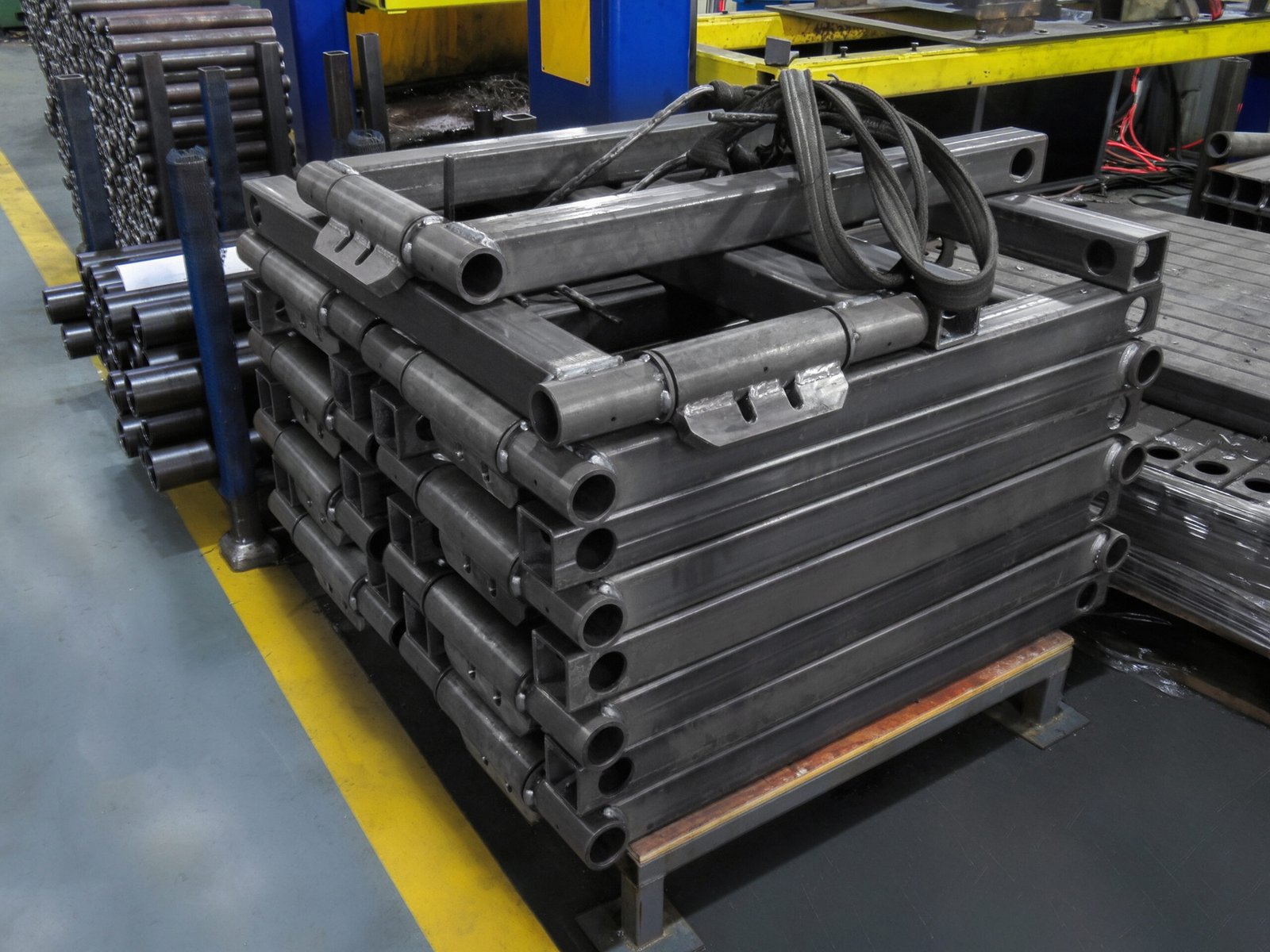
Toleng’s hydraulic cylinder manufacturing capabilities include CNC machining, precision honing, welding, rod surface treatment, assembly, and inspection according to the product requirements.
These processes help support the dimensional accuracy and functional requirements of replacement and OEM cylinders.
3. Application-Specific Material and Seal Selection
Agricultural equipment operates in environments exposed to dust, moisture, mud, changing temperatures, and repeated loading.
Material and seal selection should reflect the actual application. Rod surface treatment, sealing materials, and protective measures can be specified according to operating conditions and equipment requirements.
A suitable configuration helps address wear, contamination, and leakage risks without relying on a one-size-fits-all design.
4. Inspection and Pressure Testing
A replacement cylinder must meet its specified dimensions and operating requirements before installation.
Toleng’s manufacturing quality-control approach includes dimensional inspection and cylinder pressure testing according to the applicable product specification.
Test requirements should be agreed upon for the particular cylinder design. Buyers can provide required inspection criteria or request relevant quality documentation when discussing an order.
5. Support for OEMs, Distributors, and Equipment Suppliers
Replacement cylinders are not only needed by individual equipment owners. Agricultural machinery manufacturers, parts distributors, repair companies, and aftermarket suppliers may require repeatable specifications and ongoing production.
Toleng supports custom and OEM hydraulic cylinder requirements, allowing buyers to discuss prototype development and production quantities based on their projects.
For detailed product information, visit the Custom Size Hydraulic Cylinder for Agricultural Equipment page.
Common Tractor Loader Cylinder Problems and Replacement Considerations
Hydraulic Oil Leaking Around the Rod
A damaged rod seal, scratched rod surface, contamination, or excessive side loading may cause leakage.
Inspect the rod for pitting or scoring and check the gland and mounting alignment. If the rod or barrel is significantly damaged, replacing the cylinder may be more suitable than replacing seals alone.
Loader Arms Slowly Lower Under Load
Cylinder leakage is one possible cause, but the control valve, hydraulic lines, and other system components may also allow the loader to drift.
A qualified technician should diagnose the system before deciding which component to replace.
Safety warning: Never work beneath raised loader arms supported only by hydraulic pressure. Lower the loader, shut down the equipment, relieve hydraulic pressure according to the manufacturer’s procedure, and use approved mechanical supports before inspection or repair.
Replacement Cylinder Does Not Fit
If the mounting pins do not align or the cylinder appears too long or too short, stop installation.
Recheck the closed length, extended length, mounting width, pin diameter, stroke, and end configuration. Do not force the pins into position or alter the mounting points to compensate for an incorrect cylinder.
New Cylinder Moves Slowly or Jerks
Air in the hydraulic circuit, restricted hoses, contaminated oil, insufficient pump output, or incorrect system settings may cause erratic movement.
Follow the tractor manufacturer’s bleeding and commissioning procedures after replacement. Do not exceed the specified pressure to compensate for slow movement.
How to Request a Replacement Tractor Loader Cylinder from Toleng
To help evaluate your requirements, prepare the following information before contacting Toleng Hydraulics:
- Tractor and loader make and model.
- Cylinder function: lift, bucket tilt, or auxiliary.
- Original cylinder part number, if available.
- Bore, rod diameter, stroke, and mounting dimensions.
- Hydraulic port details and operating pressure.
- Photos, drawings, or a sample cylinder.
- Required quantity and delivery requirements.
If you do not have a complete technical drawing, begin with the equipment model, available measurements, and clear photographs. The manufacturing team can review the information and determine what additional specifications are needed.
Visit Toleng Hydraulics to discuss your replacement or OEM hydraulic cylinder requirements.
Frequently Asked Questions
1. How do I find the right replacement tractor loader cylinder?
Start with the tractor and loader model, original cylinder part number, and equipment documentation. Verify bore, rod diameter, stroke, closed and extended lengths, mounting dimensions, port connections, and operating pressure before ordering.
2. Can I replace my tractor loader cylinder with a different brand?
Yes, a cylinder from another manufacturer may be suitable if its specifications and mounting configuration match the application and its performance ratings are appropriate. Brand similarity alone does not establish compatibility.
3. Can Toleng manufacture replacement tractor loader cylinders from a sample?
Toleng can evaluate custom hydraulic cylinder requirements using available samples, drawings, and equipment specifications. The feasibility of reproducing a particular cylinder depends on the information available and the application’s engineering requirements.
4. Can Toleng manufacture cylinders for older tractor loaders?
Custom manufacturing may be an option when a replacement cylinder is discontinued or difficult to source. Provide the original cylinder dimensions, mounting details, equipment information, and photographs for an initial evaluation.
5. Should I replace or rebuild a leaking tractor loader cylinder?
A rebuild may be appropriate when the rod, barrel, piston, and other major components remain serviceable. Full replacement may be more economical when significant structural damage exists, critical components are excessively worn, or suitable replacement parts are unavailable.
A proper inspection is needed before deciding.
6. What is the difference between a loader lift cylinder and a bucket tilt cylinder?
A lift cylinder raises and lowers the loader arms. A bucket tilt cylinder changes the bucket angle for scooping, carrying, and dumping. Their dimensions, loading conditions, and required movement differ, so they should not be treated as interchangeable without engineering verification.
7. What information should I send for a custom replacement quote?
Provide the equipment model, cylinder function, bore and rod diameters, stroke, mounting dimensions, hydraulic port details, operating pressure, quantity, and any available drawing or photographs. Missing specifications can be reviewed during the initial technical discussion.
Get a Custom Replacement Tractor Loader Cylinder Quote
A reliable replacement starts with accurate specifications and a cylinder designed for the actual equipment requirements.
Toleng Hydraulics works with agricultural equipment buyers, OEMs, and distributors to evaluate custom hydraulic cylinder solutions for tractor loaders and other agricultural machinery.
Whether you are replacing a damaged lift cylinder, sourcing a bucket tilt cylinder, or looking for a manufacturing partner for repeat orders, provide your measurements or technical drawings to begin the review.
Contact Toleng Hydraulics to discuss your replacement tractor loader cylinder requirements.

