
What Are Position Sensing Hydraulic Cylinders?
When it comes to heavy machinery and industrial equipment, ensuring optimal performance and reliability is critical to avoiding costly downtime. As someone who’s been involved in the hydraulic systems space for years, I’ve seen firsthand how even minor issues with hydraulic cylinders can quickly escalate into major problems. From seal leaks to rod damage, these problems can disrupt operations, leading to delays, increased maintenance costs, and even safety hazards. So, how can you avoid these headaches? The answer often lies in understanding the different types of hydraulic cylinders, like position sensing cylinders, and knowing how to evaluate their quality.
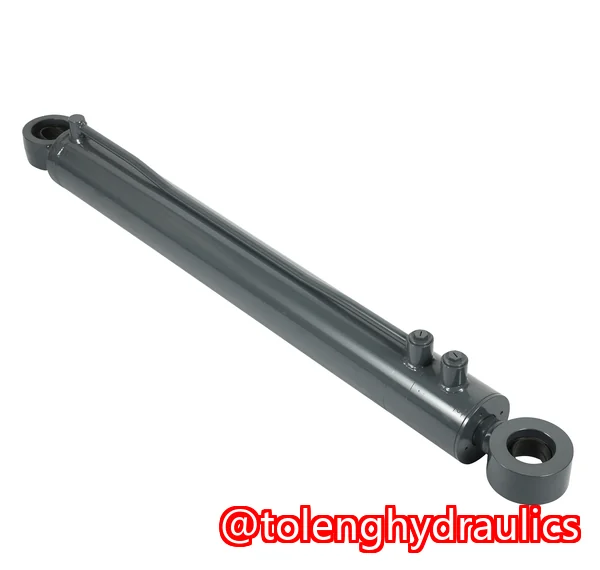
What Are Position Sensing Hydraulic Cylinders?
Position sensing hydraulic cylinders are specialized cylinders that integrate a sensing device to provide feedback on the cylinder’s position. This technology is crucial in systems where precise control and real-time positioning are essential. Whether it’s controlling a load in construction equipment or automating tasks in industrial machinery, these cylinders enable accurate control, ensuring that your equipment operates within safe and efficient parameters.
Unlike traditional hydraulic cylinders, position sensing cylinders can relay data to the operator or machine control system, providing feedback that ensures the cylinder is working as expected. This real-time information is particularly valuable in applications requiring precise movements, like material handling or automated machinery, where even small deviations can cause inefficiency or damage.
In this post, we’ll explore how to evaluate position sensing hydraulic cylinders, focusing on key inspection techniques to help you identify high-quality products that will deliver long-lasting performance.
Why Is Evaluating Hydraulic Cylinder Quality So Important?
I’ve encountered many cases where equipment owners buy hydraulic cylinders based on looks alone or without enough attention to quality specifications. While the exterior appearance can give a general idea of a product’s durability, it doesn’t guarantee that the internal components will perform well under the demands of industrial work. Inaccurate assessments can lead to expensive failures, excessive maintenance, and unexpected downtime.
Take a construction project, for example. If the hydraulic cylinder used in a bulldozer or excavator is of poor quality, the consequences can range from a damaged cylinder to a catastrophic failure of critical machinery. The cost of repairs or replacements can run into the thousands, not to mention the downtime.
Knowing what to look for and understanding how position sensing hydraulic cylinders work will give you a distinct advantage in making an informed purchase. So, how can you ensure you’re selecting the right product?
How to Evaluate Hydraulic Cylinders for Quality
-
Cylinder Tube Material and Bore Finish
The internal components of a hydraulic cylinder determine its durability and performance. When inspecting the cylinder tube, it’s important to check both the material used and the finish inside the bore. A high-quality cylinder will have a smooth, even finish that prevents premature wear of seals and rods.
Pro Tip: Use a bore gauge or a precision micrometer to ensure that the bore size is within the manufacturer’s tolerances. This is key to preventing issues like inconsistent operation and premature wear.
-
Piston Rod Hardness and Surface Finish
The piston rod is another crucial component to inspect. Look for signs of corrosion, pitting, or any irregularities on the surface. The rod should have a hard chrome plating that not only provides corrosion resistance but also reduces friction and wear on the seals. Rods that aren’t finished well can lead to premature seal damage, leaks, and system failures.
Pro Tip: Test the rod for straightness using a dial indicator. Even slight bends can cause operational issues and contribute to damage over time.
-
Seal Quality and Material Selection
The seals inside a hydraulic cylinder play a critical role in preventing leaks and ensuring that pressure is maintained. Depending on your application, you need to ensure that the right type of seals are used. For example, polyurethane seals are excellent for heavy-duty construction machinery, while fluorocarbon seals might be better for high-temperature industrial environments.
Pro Tip: Check for uniformity in the seal installation. Misaligned seals can cause leaks and reduced efficiency. Also, ensure that the seals are made of durable materials designed to withstand the conditions they’ll be exposed to.
-
Weld Quality and Mounting Integrity
Welds on the cylinder ends and mounting brackets are often the first to fail in lower-quality cylinders. In a high-quality cylinder, the welds should be smooth and free of cracks or inconsistencies. Also, verify that the mounting brackets are properly aligned to ensure the cylinder’s durability during operation.
Pro Tip: Inspect the welds for signs of undercutting, porosity, or cracks. These can weaken the cylinder and lead to premature failure.
-
Position Sensing Technology
Since we’re focusing on position sensing hydraulic cylinders, it’s crucial to inspect the integrated sensor system. Ensure that the sensors are correctly calibrated and provide accurate position feedback. Misalignment or faulty sensors can cause issues with the equipment’s control system, leading to inaccurate movements or unsafe operations.
Pro Tip: Check for proper sensor installation and calibration. Look for any exposed wiring that could become damaged during use.
How to Measure and Inspect for Proper Fit
When purchasing position sensing hydraulic cylinders, the size and fit of the cylinder are just as important as the material and construction quality. Here’s a quick guide to measuring and inspecting:
-
Bore Size and Stroke Length: Measure the bore size accurately with a micrometer, ensuring it’s within the tolerances set by the manufacturer. For the stroke length, use a caliper to check that it matches the specifications required for your application.
-
Rod Diameter: Use a vernier caliper to measure the rod’s diameter to ensure it meets the manufacturer’s requirements. An oversized rod could lead to excessive friction, while an undersized one might cause leaks or failure.
-
Mounting Style and Alignment: Ensure the cylinder’s mounting style (flanged, trunnion, etc.) aligns with your machinery’s requirements. Poor alignment can lead to stress on the cylinder and its mounting points, eventually causing failure.
Benefits of Proper Cylinder Inspection
By following these inspection techniques, you can:
-
Avoid Costly Downtime: Properly evaluating hydraulic cylinders before purchasing reduces the chances of equipment failure and prevents costly repairs or replacements.
-
Extend Cylinder Service Life: Selecting a high-quality cylinder based on thorough inspection will ensure it lasts longer and performs optimally.
-
Reduce Maintenance Costs: Identifying potential issues early on helps you make informed decisions that will minimize ongoing maintenance costs.
Conclusion: Invest in Quality for Long-Term Performance
Selecting the right hydraulic cylinder isn’t just about avoiding failures it’s about ensuring long-term performance and reliability. I highly recommend following these inspection guidelines to make sure that any hydraulic cylinder purchase delivers both durability and efficiency. By understanding the key components of hydraulic cylinders, like position sensors, rod finishes, seal types, and bore size, you’ll be better equipped to make an informed decision.
For those in need of high-quality hydraulic cylinders, I invite you to browse our extensive selection at 🔗 Toleng Hydraulics. We offer products that meet the highest standards for industrial, agricultural, and construction applications. And if you want to take your inspection process to the next level, be sure to download our complete hydraulic cylinder inspection checklist today!
FAQ
-
How can I tell if a hydraulic cylinder has quality seals?
Look for seals made of high-performance materials like polyurethane or fluorocarbon. Check for uniformity in installation, and ensure there are no visible defects like cracking or wear.
-
What rod surface finish is best for long seal life?
A smooth, hard chrome plating on the rod reduces friction and prevents wear on the seals. This finish improves the lifespan of both the rod and the seals.
-
How do I measure bore size and stroke length correctly?
Use a micrometer for accurate bore measurements and a caliper to ensure that the stroke length matches your machine’s requirements.
-
What are the signs of a poorly manufactured cylinder?
Look for inconsistent welds, pitting on the rod, uneven bore finishes, or misaligned seals. These defects can lead to early cylinder failure.
-
Which cylinder mounting styles are strongest?
Welded mounting styles typically offer better strength and durability compared to tie-rod cylinders, especially in heavy-duty applications.
-
How do I choose between welded and tie-rod cylinders?
Welded cylinders are more durable and suited for high-pressure applications, while tie-rod cylinders are easier to repair and offer flexibility in design.
-
What chrome plating thickness should I look for on rods?
A thickness of around 0.0150.025 inches is ideal for most applications. Thicker chrome plating can offer more durability but may increase the cost.
Tags/Keywords
hydraulic cylinder quality, cylinder seals, rod finish, bore size, hydraulic cylinder maintenance, cylinder inspection, welded hydraulic cylinder, tie-rod cylinder, hydraulic cylinder buying guide, cylinder failure prevention, hydraulic cylinder materials

