
Hydraulic Cylinder Force Calculator Formula and Examples
Maximize Your Equipment’s Lifespan by Understanding Hydraulic Cylinder Quality
When managing heavy machinery, the last thing you want is for critical components like hydraulic cylinders to fail unexpectedly. I’ve seen this happen too many timesunexpected downtime, costly repairs, and frustrated teams trying to identify the root cause. A poorly manufactured or improperly maintained hydraulic cylinder can lead to catastrophic results. But how do you ensure you’re investing in a hydraulic cylinder that will stand the test of time?
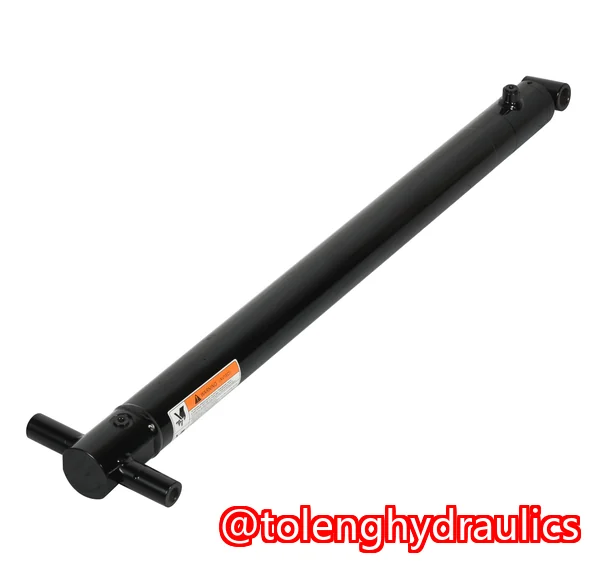
In this blog post, I’ll take you through a practical guide to understanding how to calculate hydraulic cylinder force, and how to evaluate cylinder quality to avoid costly failures. Whether you’re a maintenance engineer, equipment buyer, or procurement specialist, knowing how to assess a hydraulic cylinder’s quality before purchasing can save you a lot of hassle down the road.
Common Pain Points When Evaluating Hydraulic Cylinders
Before diving into how you can calculate force, let’s first explore the common issues equipment owners and maintenance teams face when it comes to hydraulic cylinders:
-
Uncertainty About Quality
It’s not always easy to spot a high-quality hydraulic cylinder just by looking at it. A shiny surface or a well-painted exterior doesn’t necessarily mean it’s built to last. Often, the true quality lies in the materials used, the precision of the internal components, and the finishing touches like the rod and seal quality.
-
Premature Seal Failures
One of the most frustrating problems with hydraulic cylinders is premature seal failure. Bad seals lead to oil leaks, which not only compromise efficiency but can also damage the entire system. Unfortunately, identifying good seals requires more than just a surface inspection.
-
Rod Damage and Surface Issues
A damaged piston rod can cause significant problems for hydraulic cylinders. If the rod is not manufactured with the correct hardness or surface finish, it can lead to premature wear on the seals and create a host of operational issues.
Understanding the Hydraulic Cylinder Force Calculator Formula
Now, let’s talk about the hydraulic cylinder force calculator formula, a key element for any engineer working with hydraulics. Here’s the formula to calculate the force a hydraulic cylinder can exert:
Where:
-
F = Force exerted by the cylinder (in pounds or Newtons)
-
P = Hydraulic pressure inside the cylinder (in psi or Pascals)
-
A = Cross-sectional area of the cylinder’s bore (in square inches or square meters)
Let’s break it down with an example.
Example Calculation:
If the pressure inside the hydraulic system is 3000 psi, and the bore size of the cylinder is 4 inches, the area of the bore is:
So, the force exerted by the cylinder would be:
This simple calculation gives you an idea of the raw power that the hydraulic cylinder can deliver, and by extension, how crucial it is to choose a high-quality cylinder that can withstand the force and pressure.
Practical Tips for Evaluating Hydraulic Cylinder Quality
The force calculation only tells part of the story. A high-quality cylinder won’t do you much good if it can’t handle the stress of regular operation. Here are several practical tips to help you assess the quality of a hydraulic cylinder before making a purchase.
1. Inspecting the Cylinder Tube and Bore Finish
The tube material and internal bore finish are critical for smooth operation and to prevent premature wear. Ideally, the cylinder should be made from high-grade steel that resists corrosion. The bore should have a smooth finish to allow the piston seals to glide without causing damage.
Tip: Use a bore gauge or precision measuring instrument to check the inner surface for irregularities or rough spots. A poor-quality bore finish leads to leaks and seal degradation.
2. Rod Hardness and Surface Finish
The piston rod’s hardness is essential for ensuring durability. If the rod is too soft, it will be prone to wear and tear, while if it’s too hard, it may crack under pressure. The surface finish of the rod should be smooth with proper chrome plating to resist corrosion and ensure long seal life.
Tip: Measure the chrome plating thickness. Ideally, it should be between 20-25 microns. A thinner layer could wear out quickly under pressure.
3. Evaluating Seal Types and Materials
Hydraulic seals come in various types, from simple O-rings to more complex dynamic seals, depending on the application. It’s important to know which seals are best suited for the environment and pressures your cylinder will endure. Different materials like nitrile, polyurethane, or PTFE (Teflon) are used for different pressures and temperatures.
Tip: Check for material compatibility with the working fluid and pressure conditions. High-quality seals help prevent leakage and improve the lifespan of the cylinder.
4. Assessing Weld Quality
The weld quality on cylinder ends and mounts plays a major role in the structural integrity of the hydraulic cylinder. Poorly welded areas can lead to leaks or complete cylinder failure.
Tip: Inspect weld seams for consistency and strength. They should be free of cracks and other imperfections.
5. Checking Cylinder Mounts and Thread Integrity
The mounting style (flange, trunnion, clevis) and the quality of threads used to secure the cylinder are important factors in ensuring reliable operation. Weak threads or poorly aligned mounting holes could lead to misalignment and malfunctioning.
Tip: Use a thread gauge to ensure the threads are properly cut and consistent.
6. Cylinder Dimensions and Stroke Length
Make sure the cylinder’s bore size, rod diameter, and stroke length are correct for the machinery you are using. Incorrect dimensions can lead to reduced efficiency and premature failure.
Tip: Use calipers to double-check the dimensions against your specifications. Make sure that the stroke length suits the intended application.
Conclusion: Make Informed Purchasing Decisions
I can’t stress enough how important it is to do a thorough inspection before purchasing any hydraulic cylinder. By checking factors like bore finish, rod quality, seal types, and weld integrity, you can avoid many of the common issues that lead to premature failure.
I highly recommend following these inspection guidelines to ensure any hydraulic cylinder purchase delivers long-term reliability and performance.
Want to browse a selection of high-quality hydraulic cylinders? Check out Toleng Hydraulics for top-notch options that are built to last: 🔗 https://www.tolenghydraulics.com/
FAQ
Q: How can I tell if a hydraulic cylinder has quality seals?
A: Quality seals should be made from high-grade materials that are resistant to the hydraulic fluid you are using. Check for proper installation and ensure the seal is uniform, without cracks or deformities.
Q: What rod surface finish is best for long seal life?
A: A smooth chrome-plated surface is ideal for extending the life of seals, as it minimizes wear and reduces the risk of leaks.
Q: How do I measure bore size and stroke length correctly?
A: Use a caliper for precise measurements. Bore size should match the specifications required for your application, and stroke length should allow for the full range of motion needed.
Q: What are the signs of a poorly manufactured cylinder?
A: Look for inconsistent welds, rough bore finishes, weak seals, and irregular rod surface finishes. These are all signs of poor manufacturing.
Q: Which cylinder mounting styles are strongest?
A: Welded mounts tend to offer the best strength and durability, particularly when used in heavy-duty applications.
Q: How do I choose between welded and tie-rod cylinders?
A: Welded cylinders offer better strength and durability but are less versatile than tie-rod cylinders, which are easier to repair.
Q: What chrome plating thickness should I look for on rods?
A: Ideally, the chrome plating should be between 20-25 microns. Anything thinner can wear out quickly, while anything thicker may be prone to cracking.
Tags or Keywords:
hydraulic cylinder quality, cylinder seals, rod finish, bore size, hydraulic cylinder maintenance, cylinder inspection, welded hydraulic cylinder, tie-rod cylinder, hydraulic cylinder buying guide, cylinder failure prevention, hydraulic cylinder materials

