
The Importance of Stroke Length in Hydraulic Cylinder Design
When it comes to heavy-duty machinery, the hydraulic cylinder is one of the most crucial components. But as many engineers and equipment owners have learned the hard way, not all hydraulic cylinders are built equal. For instance, I’ve seen first-hand how premature seal failures, rod damage, or leaking cylinders can stop operations and throw everything into chaos. These problems often trace back to overlooked details like stroke length and its impact on the overall cylinder design. So, what does stroke length mean for your hydraulic cylinders, and why should it matter to you?
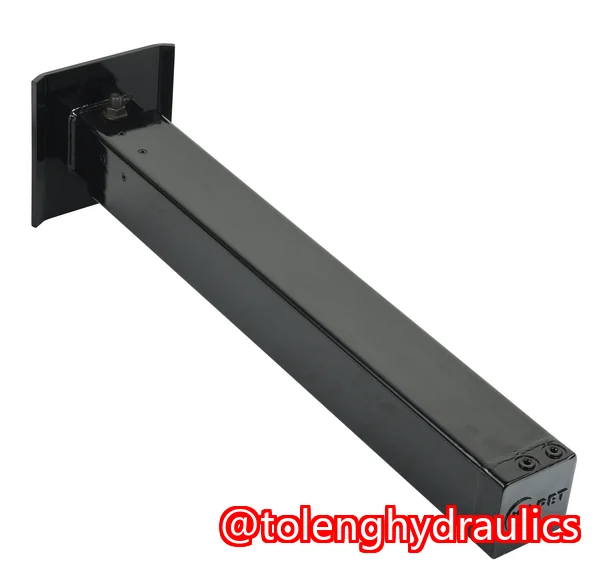
In this article, we’ll dive into why the stroke length in hydraulic cylinders is vital for their performance, longevity, and reliability. More importantly, I’ll provide practical guidance on how to assess and choose the right hydraulic cylinder, focusing on the stroke length and its interplay with other key design factors. Whether you’re buying for construction equipment, agricultural machinery, or mobile hydraulics, this guide will help you ensure that your investment is worthwhile.
Understanding Stroke Length and Its Role in Hydraulic Cylinder Design
A hydraulic cylinder operates based on the precise interaction of several factors: the bore size, rod finish, seal type, and, of course, stroke length. So, let’s break down stroke length first.
In simple terms, stroke length is the distance a cylinder’s piston travels from its fully retracted position to its fully extended position. The stroke length is often customized based on the application needswhether it’s to move a load a few inches or several feet. However, it’s not just a matter of picking the longest stroke possible. The wrong stroke length can lead to issues like excessive cylinder wear, inadequate load handling, or inefficient performance.
For example, a cylinder with an overly long stroke may take up more space than necessary, potentially increasing the overall size and weight of your machinery. On the other hand, a too-short stroke could limit the equipment’s ability to reach the necessary extension or handle a given load. This is why matching the right stroke length to your equipment’s specific requirements is critical.
Common Pain Points When Evaluating Hydraulic Cylinders
Choosing the right hydraulic cylinder isn’t always straightforward, and many people fall victim to some common pain points when evaluating cylinders for their equipment. I’ve talked with maintenance engineers and procurement specialists who have faced these challenges, and many of them relate to evaluating stroke length and its impact on overall cylinder quality. Here are the key pain points I’ve encountered:
1. Difficulty Distinguishing Genuine Quality from Appearance
It’s easy to be swayed by an aesthetically pleasing hydraulic cylinder that seems like it will do the job, but looks can be deceiving. When it comes to stroke length, even a cylinder that appears well-made may not provide the expected performance if the stroke is not designed for your equipment’s needs.
2. Uncertainty About Seal Materials and Rod Surface Finish
Hydraulic seals are designed to prevent leakage, and when combined with the rod surface finish, they determine the cylinder’s ability to last. If the stroke length is mismatched with the rod finish or seal material, the cylinder may experience premature wear and leakage. It’s essential to understand how these elements work together to avoid costly failures.
3. Inconsistent Bore Finishes Leading to Premature Wear
Another common issue is the bore finish, especially when the cylinder stroke length plays a role. If the bore finish is rough or inconsistent, it can cause the piston to rub against the walls of the cylinder, leading to increased wear and reduced efficiency. This kind of issue is often overlooked but becomes evident when the cylinder fails prematurely.
How to Inspect Hydraulic Cylinder Quality
Inspecting the quality of hydraulic cylinders isn’t just about looking for flaws in appearance; it’s about understanding the materials and construction and how they affect stroke length and overall performance. Below, I’ll walk you through the key inspection methods you can use to assess the quality of hydraulic cylinders, especially focusing on stroke length and how it interacts with other design aspects.
1. Check Cylinder Tube Material and Internal Bore Finish
First off, the material used in the cylinder tube plays a critical role in both stroke length and performance. The tube needs to be made from high-quality steel to withstand the pressure and stress of hydraulic applications. Additionally, the internal bore finish is vital. A smooth, consistent bore finish ensures that the piston can travel the full stroke length without undue friction or damage. Look for signs of uneven or rough spots inside the bore, which can drastically affect cylinder life.
2. Inspect Piston Rod Hardness, Chrome Plating, and Surface Finish
The piston rod is the part that moves within the cylinder, and its surface finish impacts everything from stroke length to seal integrity. A rod with poor surface finish can cause the seals to wear out prematurely, which leads to leaks and a loss of performance. Additionally, check for chrome plating thickness. It’s essential for ensuring the rod has the durability needed to withstand extended use.
3. Evaluate Seal Types and Materials for Your Application
Seals are often the first part of a cylinder to fail. Depending on your application, you’ll need seals that can withstand different temperatures, pressures, and environmental conditions. For example, for applications requiring longer stroke lengths, such as excavators or loaders, you’ll need seals that are particularly resistant to wear and pressure. Be sure to ask about the seal materials used, especially if you’ll be using the cylinder in extreme conditions.
4. Verify Weld Quality on Cylinder Ends and Mounts
Welds are essential in holding the cylinder components together. Poor welds can lead to cylinder failure, particularly when the stroke length puts additional stress on the welds. Take the time to inspect the cylinder ends and mounts carefully, ensuring that the welds are smooth, uniform, and free from cracks or defects.
Practical Tips for Ensuring Long-Term Reliability
By now, you should understand the importance of evaluating stroke length and other design factors when selecting a hydraulic cylinder. Here are a few practical tips to ensure you make an informed purchase:
-
Accurately measure bore size and rod diameter: Precision is critical. Use a micrometer to ensure your measurements are accurate, especially when dealing with cylinders that require a specific stroke length.
-
Identify signs of poor seal quality: Look for distortion, uneven wear, or cracks. Poor seals can result in hydraulic fluid leakage and affect overall performance.
-
Check for rod straightness and surface defects: A bent rod or any imperfections can drastically impact stroke length performance, leading to uneven movement and excessive wear.
-
Inspect port threads and fittings: Proper threading ensures secure fittings and helps prevent leaks. It’s especially important for high-performance cylinders with longer strokes.
Conclusion: Maximizing Cylinder Performance and Longevity
In conclusion, choosing the right hydraulic cylinder with the correct stroke length can make or break your equipment’s performance and longevity. By carefully evaluating the materials, seals, bore finish, and rod quality, you can avoid unnecessary breakdowns and costly downtime.
I highly recommend following these inspection guidelines to ensure any hydraulic cylinder purchase delivers long-term reliability and performance. If you’re ready to get started, browse our selection of high-quality hydraulic cylinders at 🔗 Toleng Hydraulics and download our complete hydraulic cylinder inspection checklist today.
FAQs
-
How can I tell if a hydraulic cylinder has quality seals?
-
Inspect the seals for any visible damage, such as cracks or uneven wear. Also, check the material and ensure it’s suitable for the intended application.
-
-
What rod surface finish is best for long seal life?
-
A smooth, highly polished surface finish is essential for long-lasting seals. Look for a rod with a chrome plating that provides a smooth, consistent finish.
-
-
How do I measure bore size and stroke length correctly?
-
Use a micrometer or caliper to measure the bore size accurately. For stroke length, fully extend and retract the piston and measure the distance.
-
-
What are the signs of a poorly manufactured cylinder?
-
Look for uneven welds, poor surface finish on the rod, inconsistent bore quality, and poorly aligned mounting points.
-
-
Which cylinder mounting styles are strongest?
-
Welded cylinders tend to be stronger and more durable than tie-rod cylinders, especially for heavy-duty applications.
-
-
How do I choose between welded and tie-rod cylinders?
-
Welded cylinders are best for heavy-duty applications requiring high strength, while tie-rod cylinders are easier to service and maintain but may not handle the same level of stress.
-
-
What chrome plating thickness should I look for on rods?
-
A chrome plating thickness of at least 0.001 inches is standard for most applications, though heavy-duty applications may require thicker plating.
-
Tags or Keywords
hydraulic cylinder quality, cylinder seals, rod finish, bore size, hydraulic cylinder maintenance, cylinder inspection, welded hydraulic cylinder, tie-rod cylinder, hydraulic cylinder buying guide, cylinder failure prevention, hydraulic cylinder materials

