
Using Hydraulic Cylinders in Bridge Construction and Lifting
When you’re involved in bridge construction or lifting heavy materials, one of the most critical components you rely on is the hydraulic cylinder. I’ve seen firsthand how equipment failures can bring a project to a halt, especially when hydraulic cylinders begin to fail prematurely. Problems like seal leakage, rod damage, and inconsistencies in cylinder quality can disrupt operations, delay schedules, and cost thousands of dollars in repairs. It’s frustrating, especially when you realize that many of these issues could have been avoided with proper inspection and understanding of what to look for in a hydraulic cylinder.
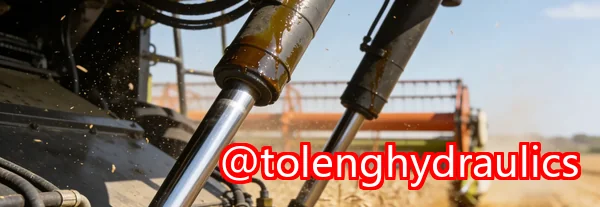
Why Quality Matters: Understanding Hydraulic Cylinders
Before we dive into inspection tips and tricks, it’s important to understand why quality really matters when selecting hydraulic cylinders. These cylinders play a key role in lifting, pressing, or moving heavy loads, so their performance and reliability are crucial. If they fail, you could face costly repairs, downtime, and compromised safety on the job.
Unfortunately, not all hydraulic cylinders are built the same. Some cylinders may appear high-quality on the surface, but deeper issuessuch as poor seal materials, weak rods, or flawed bore finishescan cause serious failures over time.
This is where understanding how to properly evaluate hydraulic cylinder quality comes into play. So, let’s break down some of the most common pain points you may face when sourcing and evaluating cylinders.
Common Problems When Sourcing Hydraulic Cylinders
-
Difficulty Telling Good Quality from Appearance
The outside of a hydraulic cylinder can be misleading. Just because a cylinder looks shiny and well-painted doesn’t mean it’s built to last. A cylinder with a smooth exterior could still have internal flaws like poor surface finishes or incorrect seals. It’s critical to inspect more than just the external aesthetics.
-
Uncertainty Around Seal Materials
Hydraulic seals come in various materialsrubber, polyurethane, PTFE, and moreeach suitable for different environments and applications. Not all seals are made equal, and poor-quality seals can lead to leaks, inefficient operation, and expensive downtime.
-
Inconsistent Bore Finishes Leading to Wear
The bore finishthe smoothness and uniformity of the cylinder’s interior surfaceis crucial for preventing early wear of seals and rods. If the bore is rough or uneven, it can cause accelerated seal wear and lead to leaks, making your hydraulic system less efficient.
Practical Tips for Evaluating Hydraulic Cylinder Quality
Now, let’s get into some hands-on tips and steps you can take to assess cylinder quality, so you don’t run into these issues later. I can’t stress enough how important it is to follow these guidelines to get the most out of your hydraulic cylinders.
1. Check the Cylinder Tube Material and Internal Bore Finish
Start by inspecting the cylinder’s tube material. This can give you an idea of its durability. Look for steel tubes that are resistant to corrosion and damage. Next, inspect the internal bore finish. A smooth, even finish is essential for minimizing friction and extending the life of seals. If you notice inconsistencies, like rough spots or scratches, it’s a red flag that the cylinder may not perform well over time.
2. Inspect the Piston Rod Hardness, Chrome Plating Thickness, and Surface Finish
The piston rod is one of the most exposed parts of a hydraulic cylinder. It’s critical to check its hardness, chrome plating thickness, and surface finish. The harder and thicker the chrome plating, the more resistant the rod will be to wear and corrosion. In addition, a smooth rod finish helps reduce friction with seals.
Inspect for any signs of damage, such as pitting, rust, or scratches. Even small imperfections can lead to premature wear and leaks. If you’re unsure, use a micrometer to measure the chrome plating thickness to make sure it meets specifications.
3. Evaluate the Seals
Seals are the heart of a hydraulic cylinder. Without quality seals, your cylinder is bound to fail. So, what should you look for? Start by checking the material. For general-purpose use, seals made of rubber or polyurethane tend to work well, but for extreme temperatures or chemicals, more advanced materials may be required.
Next, assess the seal design. A well-designed seal will prevent leaks, ensure proper pressure maintenance, and prolong the cylinder’s lifespan. If you spot any signs of deformation, cracks, or poor fitment, this could signal potential failure.
4. Verify the Weld Quality on Cylinder Ends and Mounts
Weld quality plays a big role in a cylinder’s overall strength and durability. Poor welding can lead to cracks and fractures, especially in areas subjected to high stress. When evaluating a cylinder, make sure to inspect the welds for smoothness and consistency. Any irregularities or signs of weakness could compromise the cylinder’s performance under heavy load conditions.
5. Inspect for Rod Straightness and Surface Defects
Rod straightness is another critical factor in ensuring the reliability of a hydraulic cylinder. If a rod is bent or misaligned, it can cause uneven pressure distribution and lead to cylinder failure. Use a straightedge to check the rod for any bends or deformations. Pay close attention to the surface finish as wellany pitting, scratches, or damage can increase the risk of seal failure.
6. Check the Port Threads and Fitting Quality
Hydraulic cylinder ports are where hoses and fittings connect to the cylinder. Poorly threaded or damaged ports can cause leaks and impede system performance. Inspect the threads for any signs of wear, burrs, or unevenness. Make sure the fittings fit securely and don’t show any signs of slipping or poor installation.
Why These Inspections Matter: The Benefits
Performing these inspections may take a little extra time up front, but it will save you significantly in the long run. By identifying potential quality issues before purchase, you can avoid costly repairs, equipment downtime, and premature failure. Not only will this help you maximize equipment uptime, but it will also extend the life of your hydraulic cylinders and reduce overall maintenance costs.
Here are a few benefits of thorough hydraulic cylinder inspections:
-
Avoiding costly downtime: Preventing failures before they occur means less unplanned downtime.
-
Maximizing service life: High-quality hydraulic cylinders last longer and work more efficiently.
-
Reducing maintenance costs: Identifying issues before they become major problems helps lower repair costs.
Conclusion: Make Informed Choices for Long-Term Reliability
When it comes to hydraulic cylinders, the right choice can make all the difference between smooth, reliable performance and costly, disruptive failure. I highly recommend following these inspection guidelines to ensure any hydraulic cylinder purchase delivers long-term reliability and performance. By inspecting materials, seals, rod finishes, bore quality, and mounting styles, you’ll be in a better position to avoid failures and make more informed, reliable purchasing decisions.
If you want to start off with high-quality hydraulic cylinders, I suggest you browse our selection of hydraulic cylinders at 🔗 Toleng Hydraulics. We offer cylinders built to withstand even the toughest industrial, construction, and agricultural applications.
Additionally, if you’re looking to get more details on how to evaluate cylinders, feel free to download our complete hydraulic cylinder inspection checklist.
FAQs: Common Concerns When Choosing Hydraulic Cylinders
-
How can I tell if a hydraulic cylinder has quality seals?
Inspect the seals for any signs of cracking, wear, or poor fit. Ensure the material is suitable for your application (e.g., rubber for general purposes or PTFE for high temperatures).
-
What rod surface finish is best for long seal life?
A smooth, polished rod surface reduces friction and wear on seals. Look for a chrome-plated rod with a fine finish to maximize seal life.
-
How do I measure bore size and stroke length correctly?
Use a caliper or micrometer to measure the internal diameter of the cylinder tube (bore size) and the distance the piston travels (stroke length).
-
What are the signs of a poorly manufactured cylinder?
Look for issues like rough finishes, irregular welds, poor seal fitment, and misaligned rods. These are indicators of a lower-quality cylinder.
-
Which cylinder mounting styles are strongest?
Welded cylinders tend to offer better strength and durability than tie-rod cylinders, making them more suitable for heavy-duty applications.
-
How do I choose between welded and tie-rod cylinders?
Welded cylinders are more durable and offer greater strength, but tie-rod cylinders are easier to repair. Choose based on the specific demands of your application.
-
What chrome plating thickness should I look for on rods?
Typically, a chrome plating thickness of 0.0015 to 0.002 inches is recommended for most applications to ensure durability and corrosion resistance.
By following these tips and using the right tools, you can confidently select high-quality hydraulic cylinders that will stand the test of time and keep your operations running smoothly.

