
Tie-Rod Cylinders vs Mill-Type Cylinders: What’s the Difference?
When purchasing hydraulic cylinders for heavy equipment, I’ve learned that not all cylinders are built to last. Premature seal failure, rod damage, and leaks can bring operations to a halt. For those who rely on heavy-duty machinerywhether it’s for construction, agriculture, or industrial processesthe difference between a high-quality and a low-quality hydraulic cylinder can mean the difference between smooth operations and expensive downtime.
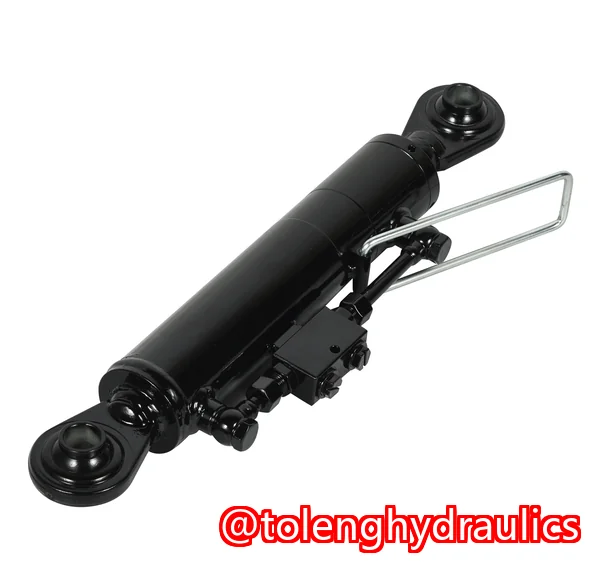
Hydraulic cylinders are the backbone of many pieces of machinery, but with so many types available, how do you choose the right one? Understanding the differences between tie-rod cylinders and mill-type cylinders is key to making the right decision. In this post, we’ll explore the distinctions between these two popular types of hydraulic cylinders, focusing on what matters most: durability, performance, and long-term reliability.
Common Pain Points When Evaluating Hydraulic Cylinders
Choosing a hydraulic cylinder may seem straightforward at first, but it can quickly become overwhelming. A few common pain points I’ve encountered (and I know many others face) include:
-
Distinguishing Genuine Cylinder Quality from Appearance
Just because a cylinder looks good on the outside doesn’t mean it’s built to last. The material, bore finish, and rod surface are just a few factors that can impact its performance.
-
Uncertainty About Seal Materials and Rod Surface Finishes
The right seal material and rod finish can dramatically affect a cylinder’s lifespan and performance. But it’s not always clear which one is right for specific applications, especially with all the options available.
-
Inconsistent Bore Finishes
Poor bore finishes can cause premature wear and damage to seals, which can lead to hydraulic cylinder failure. Many people overlook this issue when purchasing, which can be costly in the long run.
Understanding Tie-Rod Cylinders vs Mill-Type Cylinders
Both tie-rod and mill-type cylinders serve the same essential purposeproviding linear force for machinerybut they differ significantly in design and durability. Here’s a breakdown of the two:
Tie-Rod Cylinders
Tie-rod cylinders are commonly used in light to medium-duty applications, including agricultural machinery, construction equipment, and mobile hydraulics. These cylinders are built with tie rods that clamp the cylinder tube and end caps together, making them easier to maintain and repair.
Pros:
-
Cost-Effective: Generally cheaper to produce and purchase.
-
Repair-Friendly: The design allows for easy disassembly and repairs.
-
Versatile: Suitable for a wide range of applications.
Cons:
-
Less Durable: While they are robust, they might not handle high-pressure or harsh conditions as well as mill-type cylinders.
-
Limited Pressure Resistance: Tie-rod cylinders are less capable of handling the high pressures required for demanding industrial applications.
Mill-Type Cylinders
Mill-type cylinders, on the other hand, are designed for more demanding environments, often found in industrial automation, construction, and high-pressure applications. Unlike tie-rod cylinders, they use welded end caps, which make them more durable and resistant to high-pressure conditions.
Pros:
-
Durability: The welded design offers enhanced strength and resistance to wear.
-
High-Pressure Capability: These cylinders are built to withstand higher pressures, making them ideal for industrial or heavy-duty machinery.
-
Longer Lifespan: Due to their robust construction, mill-type cylinders generally offer a longer lifespan compared to tie-rod cylinders.
Cons:
-
Higher Cost: The durability comes with a price tag, making them more expensive upfront.
-
Difficult to Repair: While they’re durable, the welded design makes repairs more challenging, especially when compared to tie-rod cylinders.
How to Inspect Hydraulic Cylinders for Quality
Now that we’ve outlined the main differences between tie-rod and mill-type cylinders, let’s dive into the critical inspection methods that will help ensure you choose the best cylinder for your needs. Proper evaluation can prevent premature failures, reduce downtime, and save money in the long run.
1. Inspect Cylinder Tube Material and Bore Finish
-
What to Look For: The material of the cylinder tube plays a huge role in its performance. Steel is the most common material, but be sure to inspect for any signs of corrosion, cracks, or poor welding. A high-quality bore finish ensures smooth operation and minimizes seal wear.
-
Why It Matters: Poor bore finishes can lead to excessive friction, which will wear down seals more quickly, reducing the cylinder’s lifespan.
2. Check Piston Rod Hardness and Surface Finish
-
What to Look For: The piston rod should be hard and resistant to scratches, dents, or corrosion. A good rod will typically be chrome-plated for protection against wear and rust.
-
Why It Matters: A smooth, hard rod surface ensures that seals stay intact longer. Any defects in the rod can damage the seals, leading to leaks or failure.
3. Evaluate Seal Types and Materials
-
What to Look For: There are various types of seals designed for different applications. Rubber seals are commonly used for light-duty applications, while polyurethane or PTFE seals are used for heavy-duty conditions.
-
Why It Matters: The wrong seal material can cause premature leakage, especially in high-pressure applications. For example, rubber seals may degrade quickly under high temperatures or aggressive fluids.
4. Examine Weld Quality
-
What to Look For: Check the quality of the welds on the cylinder ends and mounts. Poor welds can weaken the entire structure, leading to premature failures.
-
Why It Matters: Welded cylinders like mill-type cylinders need to be particularly robust, and any weak spots in the weld could lead to catastrophic failure under pressure.
Practical Tips for Evaluating Hydraulic Cylinders
When you’re evaluating a hydraulic cylinder for purchase, keep these practical tips in mind:
-
How to Measure Bore Size and Rod Diameter Accurately
Measure the internal bore and rod diameter with calipers to ensure they meet the specifications for your machinery. Inaccurate measurements can lead to improper fitment, causing issues during installation or operation.
-
Identify Signs of Poor Seal Quality or Installation
Leaks around the seals or rough movement during testing are clear signs that something is wrong. Be on the lookout for damaged or improperly installed seals.
-
Check for Rod Straightness and Surface Defects
Lay the rod on a flat surface to check for straightness. Even a slight bend can cause operational problems. Look for visible scratches or pitting on the surface, as this can lead to seal failure.
-
Inspect Port Threads and Fitting Quality
Threaded ports should be clean and smooth. Check for any burrs or deformation that could prevent proper fitting or cause leaks.
Conclusion: Making the Right Choice
Choosing between tie-rod and mill-type cylinders comes down to the specific needs of your equipment. If you’re working with light to medium-duty machinery and want a cost-effective solution, a tie-rod cylinder could be the right choice. However, for industrial applications that require higher pressure tolerance and durability, mill-type cylinders are the better option.
I highly recommend following these inspection guidelines to ensure any hydraulic cylinder purchase delivers long-term reliability and performance. By checking the cylinder’s materials, bore finish, rod quality, and seals, you can avoid costly downtime and ensure your equipment runs smoothly.
Browse our selection of high-quality hydraulic cylinders: 🔗 https://www.tolenghydraulics.com/
Download our complete hydraulic cylinder inspection checklist today.
FAQ
1. How can I tell if a hydraulic cylinder has quality seals?
Quality seals should be smooth, free of cracks, and fitted securely within the groove. They should be made from materials suitable for your specific operating conditions.
2. What rod surface finish is best for long seal life?
A chrome-plated surface finish is often the best for ensuring longevity. It offers resistance to corrosion and provides a smooth surface that reduces wear on seals.
3. How do I measure bore size and stroke length correctly?
Use calipers to measure the internal diameter of the cylinder (bore) and a tape measure to determine stroke length. Accuracy is critical to ensure the cylinder fits properly.
4. What are the signs of a poorly manufactured cylinder?
Poorly manufactured cylinders may have uneven welds, irregular surfaces, or defective threads. Look for signs of rust, corrosion, or poor finishing.
5. Which cylinder mounting styles are strongest?
Mill-type cylinders with welded mounts tend to be stronger and more durable than tie-rod cylinders with bolted mounts.
6. How do I choose between welded and tie-rod cylinders?
Choose tie-rod cylinders for lighter, less demanding applications and mill-type cylinders for heavy-duty, high-pressure environments.
7. What chrome plating thickness should I look for on rods?
A chrome plating thickness of at least 0.002 inches (50 microns) is recommended for durable, long-lasting performance.
Tags or Keywords:
hydraulic cylinder quality, cylinder seals, rod finish, bore size, hydraulic cylinder maintenance, cylinder inspection, welded hydraulic cylinder, tie-rod cylinder, hydraulic cylinder buying guide, cylinder failure prevention, hydraulic cylinder materials

