
Top 5 Hydraulic Cylinder Manufacturers in the USA
When working in heavy industries like construction, agriculture, or manufacturing, I’ve seen firsthand how vital hydraulic cylinders are for equipment efficiency and safety. But here’s the thing: not all hydraulic cylinders are created equal. They are the driving force behind critical machinesfrom excavators to material handling systems. A poorly made cylinder can lead to all sorts of headaches, from downtime and costly repairs to safety hazards on the job site.
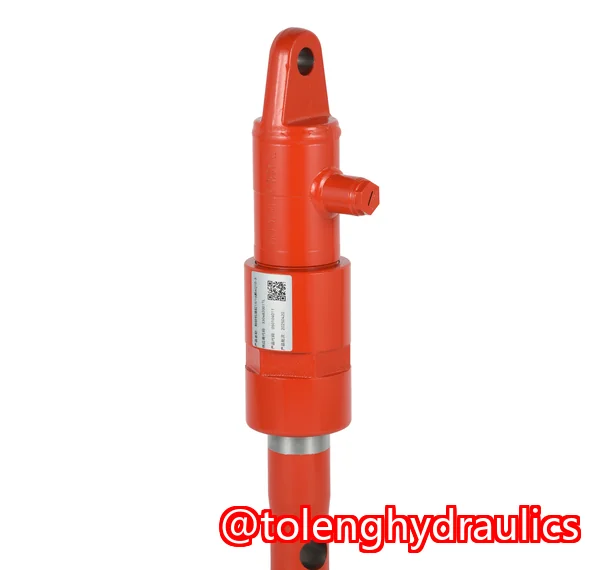
Whether you’re a maintenance engineer, a procurement specialist, or a construction manager, buying the right hydraulic cylinder is essential. In this guide, I’ll walk you through how to spot quality cylinders, what to look for in terms of seals, rod finishes, and bore sizes, and share my top picks for reliable manufacturers in the USA.
Hydraulic Cylinder Quality: The Hidden Threat to Equipment Efficiency
You might not think much about the hydraulic cylinders in your equipmentuntil they fail. Trust me, I’ve learned the hard way how crucial it is to pick the right cylinder. One of the most common issues I’ve come across is premature seal failure. This can cause leakage, which not only reduces performance but can also put your operation at risk. Another red flag is poor rod qualitysurface defects or improper chrome plating can lead to rapid wear and tear, which could shorten the lifespan of your equipment.
If you’re reading this, you’re probably familiar with the frustration that comes with dealing with these issues. I’ve worked with many engineers and maintenance teams who have shared stories of hydraulic cylinders that failed well before their expected lifespan. But there’s a way to avoid this: proper inspection. When buying a hydraulic cylinder, you need to know what to look for. Here’s a breakdown of the key factors that can make or break the performance of a hydraulic cylinder.
1. Inspecting the Cylinder Tube and Bore Finish
One of the first things I always check is the material and finish of the cylinder tube. The bore finish plays a huge role in preventing premature wear on seals. If the finish is too rough or inconsistent, it can cause excessive friction that leads to leaks and seal failure. To avoid this, make sure the cylinder has a smooth, even bore.
How to Inspect:
-
Visual Inspection: Look for any visible pitting or scratches. These are signs that the tube hasn’t been properly finished, and it might lead to failures down the line.
-
Feel Test: Run your finger along the inside of the bore to check for rough spots. If it feels uneven or gritty, it’s a red flag.
2. Evaluating the Rod Quality and Surface Finish
The piston rod is the heart of the hydraulic cylinder, and its surface finish can make all the difference in how long your cylinder lasts. If the rod’s surface is damaged or poorly plated, it can result in premature seal wear, increasing the frequency of replacements and repairs.
What to Look For:
-
Rod Chrome Plating Thickness: Proper chrome plating is essential for durability. Look for rods that have a consistent, smooth chrome finish. The plating should be thick enough to prevent wear, usually around 20-30 microns.
-
Surface Finish: The rod should feel smooth to the touch. Any visible pitting or scratches can quickly wear out seals and cause hydraulic fluid to leak.
3. Seal Selection and Material Quality
One of the most critical components of a hydraulic cylinder is its seals. Poor seal material or improper installation can lead to fluid leakage, which reduces performance and causes downtime. Depending on the type of machine or application, the seal material can vary, but common choices include polyurethane, rubber, and composite materials.
How to Choose:
-
Material Suitability: For high-temperature applications, you’ll want seals made from materials that can withstand heat without degrading.
-
Seal Type: There are various types of seals (like U-cups or O-rings), each suited for different tasks. Ensure that the seal type fits your specific equipment needs.
-
Seal Installation: Improper seal installation can also cause issues. Ensure the seal is correctly seated and free from damage before use.
4. Weld Quality and Mounting Styles
The weld quality on the ends and mounts of the cylinder is crucial for its structural integrity. A poorly welded joint can lead to failure under pressure, especially in high-stress environments like construction machinery.
What to Inspect:
-
Weld Integrity: Look for smooth, even welds without any visible gaps or cracks.
-
Mounting Style: There are various mounting styles, like flange mounts and clevis mounts. It’s important to select the right style for your application. Welded cylinders tend to be more robust, but tie-rod cylinders are easier to repair if damage occurs.
5. Bore Size and Stroke Length Accuracy
Getting the right bore size and stroke length for your equipment is essential for proper function. If the cylinder doesn’t match the specifications of your equipment, you’ll face performance issues, and possibly, breakdowns.
How to Measure:
-
Bore Size: Use a caliper to measure the diameter of the cylinder bore. It should match the specifications of your equipment, ensuring that the pressure and flow are correctly managed.
-
Stroke Length: Measure the stroke length to ensure that the cylinder can fully extend and retract as required by your equipment.
Top Hydraulic Cylinder Manufacturers in the USA
Now that you know how to evaluate a hydraulic cylinder’s quality, let’s look at the top hydraulic cylinder manufacturers in the USA that offer top-notch products.
1. Toleng Hydraulics
Toleng is known for producing high-quality hydraulic cylinders for a wide range of applications, including construction, industrial, and agricultural machinery. They focus on durable materials, advanced seal technology, and rigorous testing standards to ensure reliability.
2. Caterpillar
Caterpillar offers a variety of hydraulic cylinders designed for heavy-duty machinery, including construction and mining equipment. Known for their robust design and longevity, Caterpillar cylinders are a go-to choice for many industrial applications.
3. Parker Hannifin
Parker Hannifin is a leader in motion and control technologies, including hydraulic cylinders. Their products are known for precision engineering and are used in a variety of sectors, from agriculture to aerospace.
4. Eaton
Eaton produces hydraulic cylinders designed for a range of industries, including material handling and construction. Their products emphasize energy efficiency, durability, and ease of installation.
5. Bosch Rexroth
Bosch Rexroth’s hydraulic cylinders are built with cutting-edge technology and offer high precision and durability. Their cylinders are used across industries such as automotive, industrial automation, and construction.
Conclusion: Make the Right Choice for Your Equipment
Choosing a high-quality hydraulic cylinder is essential for ensuring your equipment performs efficiently and reliably. By following the inspection tips outlined in this guide, you can avoid the pitfalls of premature failure and costly downtime. Always remember to check for smooth bore finishes, proper rod quality, and seal integrity.
I highly recommend following these inspection guidelines to ensure that any hydraulic cylinder purchase you make delivers long-term reliability and performance.
Ready to get started?
Browse our selection of high-quality hydraulic cylinders: 🔗 Toleng Hydraulics
Download our complete hydraulic cylinder inspection checklist today!
FAQs
1. How can I tell if a hydraulic cylinder has quality seals?
Check for even and smooth seating of the seals. High-quality seals should be free of cracks, tears, or warping. They should also be made from materials that match the application (e.g., heat-resistant seals for high-temperature environments).
2. What rod surface finish is best for long seal life?
A smooth, consistent chrome finish is ideal. It should be free from pitting or scratches, which can wear out seals prematurely.
3. How do I measure bore size and stroke length correctly?
Use a caliper to measure the diameter of the bore and a tape measure or ruler to check the stroke length, ensuring they match the specifications of your equipment.
4. What are the signs of a poorly manufactured cylinder?
Look for poor welds, uneven rod plating, rough bore finishes, and signs of improper seal seating. These can indicate subpar manufacturing practices.
5. Which cylinder mounting styles are strongest?
Welded mounting styles tend to be more durable and suitable for heavy-duty applications, while tie-rod cylinders are easier to repair.
6. How do I choose between welded and tie-rod cylinders?
Welded cylinders offer better strength and are ideal for high-stress applications, while tie-rod cylinders are more cost-effective and easier to maintain.
7. What chrome plating thickness should I look for on rods?
Typically, a chrome plating thickness of 20-30 microns is sufficient for durability and resistance to wear.
Keywords
hydraulic cylinder quality, cylinder seals, rod finish, bore size, hydraulic cylinder maintenance, cylinder inspection, welded hydraulic cylinder, tie-rod cylinder, hydraulic cylinder buying guide, cylinder failure prevention, hydraulic cylinder materials.

