
Top 10 Hydraulic Cylinder Brands You Can Trust
When purchasing hydraulic cylinders for your equipment, there’s often one thing on your mind: durability. I’ve seen too many cases where operations come to a halt due to faulty cylinderswhether it’s premature seal failure, rod damage, or leaks. These issues not only create frustration but also lead to expensive downtime and repairs. In the world of industrial, construction, and agricultural machinery, finding the right hydraulic cylinder can be a challenge, but it doesn’t have to be.
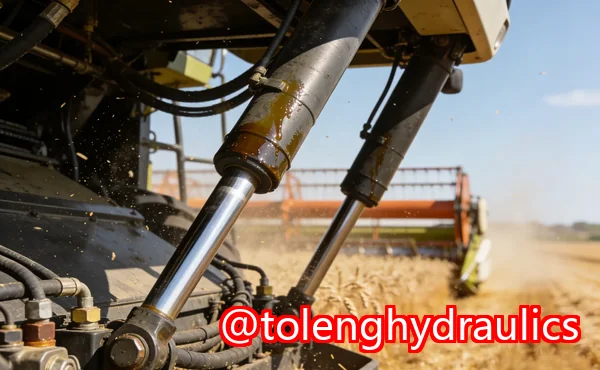
Through years of experience in the industry, I’ve learned that not all hydraulic cylinders are created equal. Quality varies significantly, and it’s essential to know what to look for to avoid making costly mistakes. That’s why in this blog, I’ll walk you through the top tips for identifying high-quality hydraulic cylinders, share valuable inspection methods, and introduce you to Toleng hydraulicsa trusted brand for long-lasting, reliable performance.
Understanding the Importance of Hydraulic Cylinder Quality
Hydraulic cylinders are the backbone of many industrial, construction, and agricultural machines. These components are responsible for converting hydraulic energy into mechanical force to operate heavy machinery such as excavators, forklifts, or harvesters. Given how essential they are, you can’t afford to settle for low-quality cylinders.
The problem is that low-quality cylinders often look the same as high-quality ones. It’s easy to get lured by attractive prices, flashy external designs, or seemingly good deals. But once the cylinder is in use, that’s when the trouble starts. Premature seal leaks, rod wear, or bore issues can cause everything from poor performance to complete system failure.
That’s where the inspection process becomes critical.
Common Pain Points in Evaluating Hydraulic Cylinders
As a buyer or maintenance engineer, identifying the right hydraulic cylinder requires more than just inspecting the exterior. There are several common pitfalls you can fall into when assessing quality:
1. Difficulty Distinguishing Genuine Quality from Looks
It’s easy to be fooled by a shiny surface or a well-painted exterior. Many poor-quality cylinders look good at first glance, but they fail under stress. You need to look beyond the appearance and focus on the internal quality.
2. Uncertainty About Seal Materials and Rod Surface Finishes
The seals and the rod finish are the two most critical parts of a hydraulic cylinder’s longevity. If you don’t know what to look for, you could end up with a cylinder that fails early due to poor seal performance or an improper rod surface finish.
3. Inconsistent Bore Finishes
A cylinder with an inconsistent or rough bore finish can cause premature wear on seals and other internal components. This can significantly reduce the lifespan of the cylinder and lead to unexpected breakdowns.
How to Inspect Hydraulic Cylinders: A Step-by-Step Guide
Now that we’ve covered the common issues, let’s get into how you can prevent them. Follow these simple steps to inspect any hydraulic cylinder before making a purchase. If you do this right, you’ll save a lot of headaches down the road.
1. Check the Cylinder Tube Material and Bore Finish
-
Material: The material of the cylinder tube is critical for durability. High-quality hydraulic cylinders are made from strong, high-carbon steel. Check the tube for any signs of cracks or poor welding.
-
Bore Finish: Inspect the bore finish closely. A smooth, consistent bore is essential for reducing friction and preventing premature seal wear. Look for any roughness, pitting, or scoring.
2. Inspect the Piston Rod
The piston rod is where most wear happens, so you need to be extra diligent here. The rod should be:
-
Hard and durable: Use a hardness test or check for manufacturer certification on hardness standards.
-
Properly plated: Chrome plating thickness should meet standards to resist corrosion and wear. Look for signs of inconsistent or poor-quality chrome plating.
-
Smooth finish: The rod surface should be free from scratches, pits, or dents that could damage seals.
3. Evaluate the Seals
The type of seals and their materials are crucial for hydraulic cylinder performance. Different applications require different seals, and choosing the wrong type can lead to leaks and failures. Make sure to:
-
Identify seal type: Some cylinders use lip seals, while others use O-rings or advanced PTFE seals.
-
Check materials: Seals should be made from durable materials such as polyurethane or nitrile for high-performance machines.
4. Verify Weld Quality
A good hydraulic cylinder has strong, consistent welds on both the cylinder ends and mounts. Look for:
-
Clean welds: The welds should be smooth, with no visible gaps or inconsistencies.
-
Proper fusion: A good weld should show signs of uniform fusion between materials, without cracking or excessive spatter.
5. Mounting Style and Integrity
Different mounting styles, like welded or tie-rod cylinders, offer varying strengths and applications. Be sure to:
-
Check the mounts: Ensure that the mounting bolts and brackets are sturdy and securely fastened.
-
Choose the correct style: Depending on your application, select between welded and tie-rod cylinders based on strength requirements.
Benefits of Proper Inspection
By following the steps above, you can avoid the most common issues that lead to cylinder failure. The benefits of investing time into proper inspection include:
-
Avoiding costly downtime: A well-constructed hydraulic cylinder will last longer, saving you the hassle of constant repairs.
-
Extending cylinder lifespan: Proper material selection and inspection help maximize the lifespan of hydraulic cylinders.
-
Reducing maintenance costs: Identifying quality issues before purchase can help you avoid expensive repairs or replacements down the line.
Conclusion: Maximize Uptime with Reliable Hydraulic Cylinders
After following these simple inspection guidelines, you’ll be well on your way to making more informed purchasing decisions. Whether you’re replacing a hydraulic cylinder on a piece of heavy equipment or sourcing new ones for a large-scale operation, knowing what to look for will ensure that you select a durable, long-lasting product.
I highly recommend using these inspection methods for every hydraulic cylinder purchase. If you want to see the difference in quality, check out our full range of hydraulic cylinders at 🔗 Toleng Hydraulics.
With our comprehensive guide, you can trust that every hydraulic cylinder you buy will meet your specific needs and stand up to the demands of your operations.
FAQ: Common Hydraulic Cylinder Questions
1. How can I tell if a hydraulic cylinder has quality seals?
Look for seals made from durable materials like polyurethane or PTFE. Ensure that they are correctly installed and show no signs of wear, cracking, or distortion.
2. What rod surface finish is best for long seal life?
A smooth, polished chrome finish is ideal for minimizing friction and extending the lifespan of seals. Poor-quality rods with rough surfaces will damage seals quickly.
3. How do I measure bore size and stroke length correctly?
Use calipers to measure the bore size accurately. For stroke length, measure the full distance the piston can travel within the cylinder.
4. What are the signs of a poorly manufactured cylinder?
Signs of poor manufacture include inconsistent welds, rough or damaged rods, and visible cracks or dents in the cylinder tube. Poorly manufactured cylinders often have irregular surfaces and can leak prematurely.
5. Which cylinder mounting styles are strongest?
Welded cylinders tend to be stronger, as they are more rigid and durable than tie-rod cylinders, which can sometimes loosen over time.
6. How do I choose between welded and tie-rod cylinders?
Welded cylinders are best for high-strength, heavy-duty applications. Tie-rod cylinders are more suitable for lighter applications where serviceability and cost are priorities.
7. What chrome plating thickness should I look for on rods?
A good chrome plating thickness is typically between 0.2 mm and 0.4 mm, depending on the application. This helps ensure durability and resistance to wear.
Tags/Keywords:
-
hydraulic cylinder quality, cylinder seals, rod finish, bore size, hydraulic cylinder maintenance, cylinder inspection, welded hydraulic cylinder, tie-rod cylinder, hydraulic cylinder buying guide, cylinder failure prevention, hydraulic cylinder materials

