
How Hydraulic Cylinders Work The Ultimate Explanation for Buyers
Learn how hydraulic cylinders work and how to inspect cylinder seals, rod finish, and bore size to identify high-quality cylinders and prevent costly equipment failures.
Opening: The Moment a Cylinder Fails on the Job
I still remember standing next to a construction excavator that had just stopped mid-operation. The boom wouldn’t lift. Hydraulic oil was slowly dripping from the cylinder rod seal, and the machine operator was already calculating lost hours.
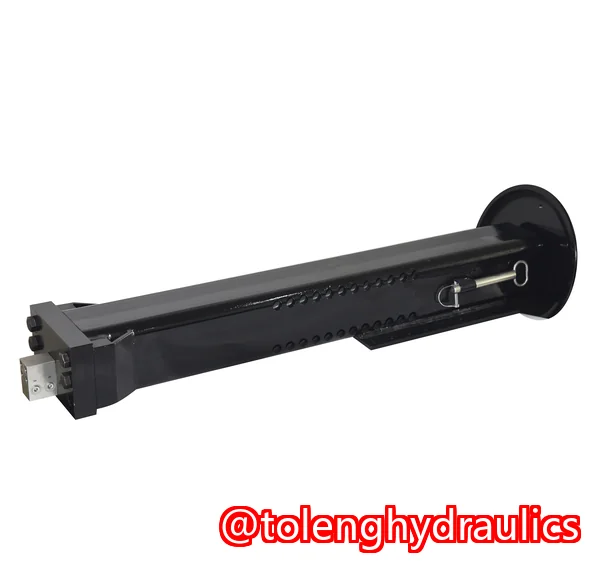
The cylinder had only been installed six months earlier.
Situations like this are far more common than many equipment owners expect. When purchasing hydraulic cylinders for heavy equipment, I’ve learned that not all cylinders are built to last. Premature seal failure, rod damage, poor bore finishes, and low-quality materials can bring operations to a halt when you least expect it.
For engineers, maintenance teams, and procurement specialists, the challenge isn’t simply finding a hydraulic cylinder. The real challenge is identifying hydraulic cylinder quality before the cylinder ever reaches your equipment.
That’s exactly why I often recommend using practical inspection methods like those outlined in the Toleng hydraulics evaluation guide. It helps maintenance teams and equipment buyers understand how hydraulic cylinders work and, more importantly, how to verify that a cylinder will survive demanding real-world applications.
In this article, I’ll walk you through the fundamentals of how hydraulic cylinders operate and share the inspection methods I personally use when evaluating cylinder quality for construction equipment, agricultural machinery, and industrial automation systems.
Understanding How Hydraulic Cylinders Work
At their core, hydraulic cylinders convert fluid pressure into linear mechanical force.
Pressurized hydraulic oil enters the cylinder through ports and pushes against a piston. As the piston moves inside the cylinder tube, the piston rod extends or retracts, creating the force needed to lift, push, pull, or tilt heavy loads.
You’ll see hydraulic cylinders everywhere:
-
Excavators and loaders lifting tons of earth
-
Agricultural tractors controlling attachments
-
Industrial presses generating high forces
-
Material handling equipment moving pallets
-
Mobile machinery performing precision movements
While the principle is simple, the reliability of a hydraulic cylinder depends heavily on its internal components and manufacturing quality.
Small flaws can lead to big problems.
And that’s where many buyers struggle.
Common Pain Points When Evaluating Hydraulic Cylinders
Over the years, I’ve noticed the same issues appear repeatedly when companies source hydraulic cylinders from unfamiliar suppliers.
1. Cylinders That Look Good But Fail Early
One of the biggest mistakes buyers make is judging cylinders by appearance alone.
A shiny chrome rod and freshly painted housing may look impressive, but surface appearance says very little about internal quality.
Hidden issues may include:
-
Poor cylinder bore finish
-
Low-grade steel tube material
-
Thin chrome plating on the rod
-
Low-quality cylinder seals
These defects often cause early seal wear or internal leakage.
The cylinder may perform well for a short period, but problems begin appearing within months.
2. Uncertainty About Seal Materials
Hydraulic seals play a critical role in keeping pressure inside the cylinder.
Unfortunately, many buyers don’t know what seal materials are used.
Poor-quality seals may:
-
Harden quickly under temperature changes
-
Wear rapidly under high pressure
-
Fail when exposed to contamination
Understanding hydraulic seal types and materials is essential when selecting cylinders for demanding environments.
3. Inconsistent Rod Finish and Bore Accuracy
Another major factor affecting cylinder life is the rod finish and bore quality.
If the rod surface isn’t smooth enough, seals will wear quickly.
If the bore finish inside the cylinder tube is inconsistent, the piston seals will degrade faster.
These issues are rarely visible from the outside.
That’s why proper hydraulic cylinder inspection is so important before purchasing.
A Practical Guide to Inspecting Hydraulic Cylinder Quality
One of the most useful resources I’ve encountered is the inspection methodology provided by Toleng hydraulics, which focuses on verifying the structural integrity and material quality of hydraulic cylinders.
Instead of guessing, you can follow a systematic evaluation process.
Let’s walk through the most important inspection steps.
1. Inspect the Cylinder Tube and Bore Finish
The cylinder tube is the heart of the hydraulic cylinder.
Inside the tube is the cylinder bore, where the piston travels back and forth thousands of times during operation.
A poor bore finish leads to:
-
Seal damage
-
Internal leakage
-
Reduced cylinder efficiency
When inspecting the tube, I usually check for:
Material Quality
The tube should be made from high-strength steel suitable for hydraulic pressure.
Low-grade tubes may deform or crack under stress.
Internal Bore Finish
A proper cylinder bore finish ensures smooth piston movement.
Signs of poor machining include:
-
Rough or uneven surfaces
-
Visible tool marks
-
Inconsistent polishing
A well-finished bore dramatically improves seal life and cylinder efficiency.
2. Check the Piston Rod Hardness and Chrome Plating
The piston rod is constantly exposed to environmental conditions and mechanical loads.
Dust, debris, and moisture can damage the rod surface if the material quality is poor.
Key inspection points include:
Rod Hardness
A high-quality rod should be induction hardened to resist bending and wear.
Soft rods can develop scratches or bend under heavy loads.
Chrome Plating Thickness
Chrome plating protects the rod from corrosion and wear.
I generally look for rods with thick chrome plating, typically around 2030 microns or more, depending on the application.
Thin plating wears quickly and exposes the steel underneath.
Rod Surface Finish
A smooth rod finish reduces seal friction and extends seal life.
You should avoid rods that show:
-
Scratches
-
Pitting
-
Rough polishing marks
Even minor imperfections can destroy seals over time.
3. Evaluate Cylinder Seals Carefully
Cylinder seals are often the first component to fail.
High-quality cylinders use specialized hydraulic seal types designed for pressure, temperature, and contamination resistance.
During inspection, I look for:
-
Clearly identified seal materials
-
Proper seal installation
-
No deformation or visible damage
For heavy equipment applications, seals may include:
-
U-cup seals
-
Rod wipers
-
O-rings
-
Buffer seals
Each type plays a role in maintaining pressure and preventing contamination.
Poor seal quality almost always leads to oil leaks and premature cylinder failure.
4. Inspect Weld Quality on Cylinder Ends and Mounts
Cylinder end caps and mounts experience significant stress.
Weak welds can crack under repeated load cycles.
When evaluating welded hydraulic cylinders, I check:
-
Smooth, consistent weld beads
-
No visible porosity
-
No cracks or uneven weld penetration
Mounting styles such as clevis, trunnion, or flange mounts must be properly reinforced.
Weak mounts are a common failure point on construction equipment.
5. Verify Bore Size and Rod Diameter
Accurate dimensions are critical for proper hydraulic performance.
Incorrect bore size can affect:
-
Force output
-
Pressure requirements
-
Speed of cylinder movement
To measure bore size accurately:
-
Use a calibrated internal bore gauge.
-
Measure at multiple positions along the cylinder.
-
Check for taper or ovality.
Similarly, the rod diameter should match the design requirements to prevent buckling under load.
6. Check Stroke Length and Rod Straightness
The stroke length determines how far the cylinder extends.
Incorrect stroke dimensions can cause mechanical interference with equipment components.
To verify stroke length:
-
Fully extend the rod
-
Measure from rod base to end cap
Rod straightness is equally important.
Bent rods lead to uneven seal wear and internal damage.
Signs of rod bending include:
-
Uneven extension
-
Binding during movement
-
Uneven seal wear
7. Inspect Hydraulic Ports and Threads
Hydraulic ports must be precisely machined to prevent leaks.
Common inspection checks include:
-
Clean port threads
-
No burrs or debris
-
Proper thread depth
Poor machining in hydraulic ports can cause:
-
Oil leaks
-
Loose fittings
-
Pressure loss
Even a small defect here can cause significant downtime.
Real-World Example: Preventing a Loader Cylinder Failure
A maintenance manager I worked with once replaced loader lift cylinders twice within a year.
The issue wasn’t the machine.
It was the cylinders.
After performing a full hydraulic cylinder inspection, we discovered:
-
Rod chrome plating was extremely thin
-
The bore finish was rough
-
The rod wiper seals were low-grade rubber
After switching to higher-quality cylinders using the evaluation methods above, the same machine ran for three years without another cylinder failure.
That’s the power of proper inspection and cylinder quality control.
Why Proper Hydraulic Cylinder Inspection Matters
Taking time to inspect cylinders before purchase provides major advantages.
Avoid Costly Equipment Downtime
A failed cylinder can stop an entire machine.
That can mean hoursor daysof lost productivity.
Extend Cylinder Service Life
High-quality materials and proper manufacturing increase durability dramatically.
Reduce Maintenance Costs
Reliable cylinders require fewer seal replacements and fewer repairs.
Improve Equipment Safety
Cylinder failures under heavy loads can be dangerous.
Strong mounts and quality materials reduce risk.
Final Thoughts and Recommendations
Hydraulic cylinders may look simple from the outside, but their performance depends on a combination of precise machining, durable materials, and proper sealing systems.
Over the years, I’ve learned that identifying hydraulic cylinder quality isn’t about trusting a supplier’s claims. It’s about verifying the details.
Inspect the bore finish.
Check rod chrome plating.
Evaluate seal materials.
Verify weld quality and mounting integrity.
These simple checks can prevent many of the most common causes of cylinder failure prevention in heavy equipment.
I highly recommend following these inspection guidelines to ensure any hydraulic cylinder purchase delivers long-term reliability and performance.
If you want a structured approach to evaluating cylinder quality, I suggest exploring the tools and guidance offered by Toleng hydraulics.
Browse our selection of high-quality hydraulic cylinders:
🔗 https://tolenghydraulics.com/contact/
Download our complete hydraulic cylinder inspection checklist today and start making more confident purchasing decisions.
Frequently Asked Questions
How can I tell if a hydraulic cylinder has quality seals?
Quality seals are made from durable materials such as polyurethane or high-grade nitrile. Look for clearly specified seal materials, proper installation, and reliable seal designs like U-cups and buffer seals.
What rod surface finish is best for long seal life?
A smooth rod finish with proper polishing reduces friction between the rod and seals. High-quality rods should also feature thick chrome plating and hardened steel to resist wear.
How do I measure bore size and stroke length correctly?
Use an internal bore gauge to measure the cylinder bore diameter at multiple points. To measure stroke length, fully extend the rod and measure the distance from the rod base to the cylinder end cap.
What are the signs of a poorly manufactured cylinder?
Common warning signs include rough bore finishes, thin chrome plating, poor weld quality, damaged seals, uneven rod surfaces, and poorly machined hydraulic ports.
Which cylinder mounting styles are strongest?
Flange mounts and trunnion mounts are typically stronger for heavy-duty applications because they distribute loads more evenly across the cylinder structure.
How do I choose between welded and tie-rod cylinders?
Welded cylinders are more compact and commonly used in mobile equipment. Tie-rod cylinders are easier to service and are often used in industrial machinery.
What chrome plating thickness should I look for on rods?
For most heavy equipment applications, chrome plating thickness between 2030 microns or greater provides strong corrosion resistance and long service life.
Tags / Keywords
hydraulic cylinder quality, cylinder seals, rod finish, bore size, hydraulic cylinder maintenance, cylinder inspection, welded hydraulic cylinder, tie-rod cylinder, hydraulic cylinder buying guide, cylinder failure prevention, hydraulic cylinder materials, hydraulic cylinder inspection

