
Custom Hydraulic Cylinders: When Do You Need Them
When I first started managing heavy machinery on construction sites, I quickly learned a hard lesson: not all hydraulic cylinders are created equal. A brand-new excavator could sit idle for days because a cylinder failed prematurely. Seal leaks, rod scoring, and unexpected bore wear aren’t just annoyancesthey halt operations and rack up repair costs. That’s why understanding hydraulic cylinder quality is crucial, especially if you’re sourcing cylinders for industrial, agricultural, or construction equipment. In this guide, I’ll walk you through identifying high-quality cylinders, practical inspection tips, and when a custom solution might be your best option.
Recognizing Common Pain Points in Hydraulic Cylinders
Over the years, I’ve noticed that many engineers and equipment buyers struggle with a few recurring issues:
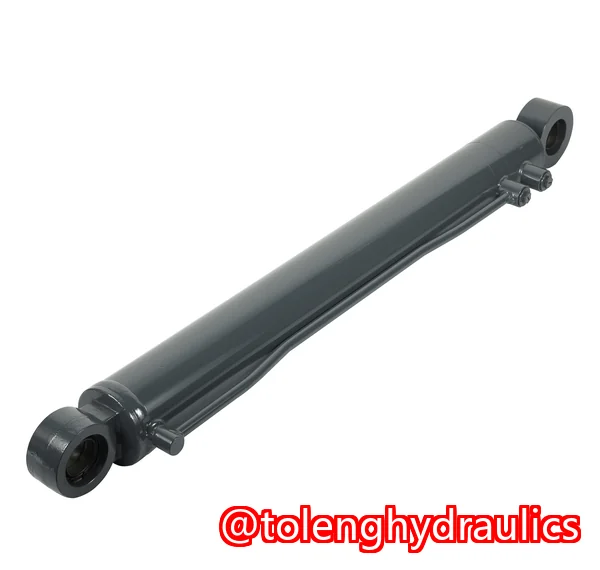
1. Surface-level appearance can be deceiving
A shiny rod or smooth-looking cylinder doesn’t guarantee durability. Some cylinders may look robust but fail early because of inferior internal finishes, improper hardening, or low-grade materials.
2. Seal and rod uncertainties
Selecting the right seal material is critical. Nitrile, polyurethane, and Viton seals all perform differently under heat, pressure, and chemical exposure. Pair the wrong seal with a poorly finished rod, and leaks are inevitable.
3. Inconsistent bore and rod finishes
Even minor imperfections in the bore can accelerate wear. A rod that isn’t straight or lacks adequate chrome plating will quickly damage seals, leading to frequent maintenance issues.
These challenges are exactly why I rely on a trusted reference like Toleng hydraulics. Their inspection guide and hands-on tips help ensure every cylinder purchased meets rigorous quality standards.
How to Inspect and Verify Hydraulic Cylinder Quality
Proper inspection is the difference between a cylinder that lasts a few months and one that performs reliably for years. Here’s how I evaluate cylinders in the field or during procurement:
1. Examine the cylinder tube and bore finish
-
Check the tube materialhigh-quality steel or alloy is essential for durability.
-
Inspect the internal bore finish. A precision-honed bore ensures smooth piston movement and reduces wear on seals.
2. Evaluate the piston rod
-
Measure rod hardness using a portable tester if available. Proper hardness prevents denting and scoring.
-
Verify chrome plating thickness; typically, 0.0050.01 inches provides good wear resistance.
-
Examine surface finish under light for scratches or irregularities. Even small defects can lead to seal failure.
3. Inspect seal types and materials
-
Confirm compatibility with the intended application. For high-pressure hydraulic systems, polyurethane or Viton seals are often preferable.
-
Check for correct installation; misaligned seals lead to leaks and premature wear.
4. Assess welds and mounting integrity
-
Look at cylinder end welds; quality welds should be smooth and free of cracks or porosity.
-
For mounting, ensure that clevises, trunnions, or flanges are dimensionally accurate and properly reinforced.
5. Verify dimensions and stroke specifications
-
Measure bore diameter and rod diameter accurately. Even small deviations can affect performance.
-
Check stroke length and ensure it matches equipment requirements to avoid overextension or binding.
6. Inspect ports and fittings
-
Threads should be clean, uniform, and free of burrs.
-
Properly machined ports reduce the risk of leaks and ensure secure hydraulic connections.
Benefits of Thorough Cylinder Inspection
Taking the time to inspect hydraulic cylinders before purchase or installation pays off in several ways:
-
Avoid costly downtime: Identifying potential issues early prevents unexpected equipment halts.
-
Extend service life: Properly inspected cylinders resist wear and maintain performance longer.
-
Reduce maintenance costs: Fewer seal failures and rod issues translate into less frequent repairs and replacements.
For example, on a fleet of agricultural tractors, I once noticed a batch of replacement cylinders with substandard rod finishes. Identifying the problem before installation saved weeks of potential downtime during harvest season.
Practical Step-by-Step Tips for Buyers
Here’s my hands-on guide for inspecting cylinders before committing to a purchase:
-
Measure bore and rod: Use a caliper for rod diameter and a bore gauge for cylinder internal diameter. Accuracy matters.
-
Check rod straightness: Roll the rod on a flat surface to detect bending. Even a minor bow can stress seals.
-
Examine seal quality: Look for uniformity in seal cross-section, and check for any cracks or hardening.
-
Inspect welds and joints: Smooth, continuous welds without gaps indicate strong structural integrity.
-
Test port threads and fittings: Ensure smooth threading without damage or misalignment to avoid leaks during installation.
These steps are simple but effective. Following them consistently can dramatically improve equipment reliability.
When Custom Hydraulic Cylinders Are Necessary
While many standard cylinders work well, certain applications demand custom solutions. Consider custom hydraulic cylinders if:
-
Your machinery requires unusual stroke lengths or bore sizes not commonly available.
-
You operate in extreme conditions, like high temperatures, corrosive environments, or abrasive materials.
-
You need specific mounting configurations for unique machinery layouts.
-
You want enhanced materials or plating, such as hardened rods or stainless steel for corrosive environments.
Custom cylinders ensure that performance matches your operational needs, and when paired with careful inspection, they minimize failures and maintenance headaches.
Conclusion
Selecting the right hydraulic cylinder isn’t just about brand or priceit’s about understanding materials, seals, finishes, and mounting quality. By:
-
Checking cylinder tube and bore finish,
-
Inspecting rod hardness and chrome plating,
-
Evaluating seal types and installation,
-
Assessing welds, ports, and mounting integrity,
you can make confident purchasing decisions that maximize uptime and reduce maintenance costs. I highly recommend following these inspection guidelines to ensure any hydraulic cylinder purchase delivers long-term reliability and performance.
Browse our selection of high-quality hydraulic cylinders: 🔗 https://tolenghydraulics.com/contact/
Download our complete hydraulic cylinder inspection checklist today to safeguard your equipment investment.
FAQs
1. How can I tell if a hydraulic cylinder has quality seals?
Look for uniform seal cross-sections, correct material for your application, and absence of cracks or hardening. Properly seated seals should fit snugly without gaps.
2. What rod surface finish is best for long seal life?
A finely polished rod with a surface finish of 0.20.4 m Ra helps prevent seal wear. Adequate chrome plating (0.0050.01 inches) ensures durability.
3. How do I measure bore size and stroke length correctly?
Use a bore gauge or micrometer for internal diameter and a tape or caliper for stroke length. Always double-check against equipment specifications.
4. What are the signs of a poorly manufactured cylinder?
Watch for uneven bore finishes, bent rods, inconsistent welds, improper seal installation, and scratched or poorly plated rods.
5. Which cylinder mounting styles are strongest?
Welded clevis, trunnion, and flange mounts generally offer robust strength, but the right style depends on your application and load direction.
6. How do I choose between welded and tie-rod cylinders?
Welded cylinders are compact and durable for high-pressure applications, while tie-rod cylinders are easier to maintain and repair, making them ideal for serviceable industrial equipment.
7. What chrome plating thickness should I look for on rods?
Typically, 0.0050.01 inches of chrome plating balances wear resistance and rod flexibility. Thicker plating may be required for abrasive or high-load conditions.
Tags / Keywords
hydraulic cylinder quality, cylinder seals, rod finish, bore size, hydraulic cylinder maintenance, cylinder inspection, welded hydraulic cylinder, tie-rod cylinder, hydraulic cylinder buying guide, cylinder failure prevention, hydraulic cylinder materials, hydraulic seal types
This blog provides a hands-on, practical approach to evaluating hydraulic cylinders for industrial, construction, and agricultural applications, ensuring you invest in long-lasting, reliable equipment.

