
How Temperature Affects Hydraulic Cylinder Performance
When I first started evaluating hydraulic cylinders for heavy construction equipment, I was shocked at how often a seemingly “good” cylinder would fail prematurely. Imagine a backhoe or an agricultural harvester suddenly losing lifting power because a cylinder seal blew out, or the piston rod surface became pitted after a few weeks of operation. In the field, such failures aren’t just frustratingthey can halt production, increase maintenance costs, and even compromise safety. One key factor that often gets overlooked is temperature. Understanding how extreme heat or cold affects hydraulic cylinder performance is essential for anyone sourcing or maintaining high-quality cylinders.
Why Temperature Matters for Hydraulic Cylinders
Hydraulic cylinders operate under high pressures, moving heavy loads across varying environmental conditions. The fluids, seals, metals, and surface finishes all react differently depending on temperature. If a cylinder isn’t designed or inspected properly for the operating range, problems like seal leakage, rod scoring, and reduced efficiency can appear quickly.
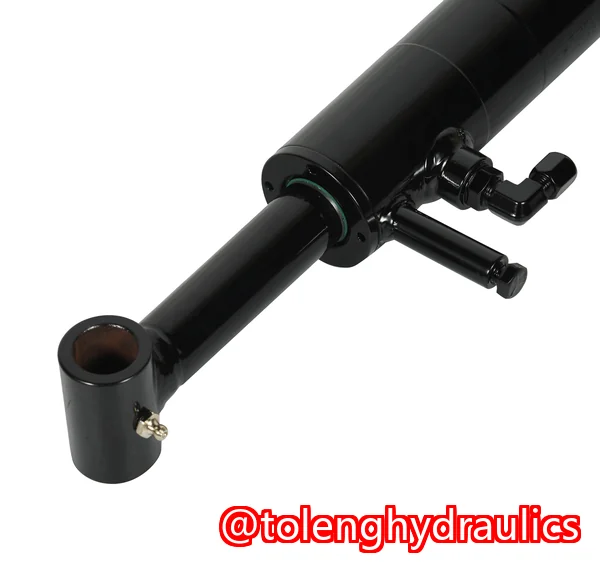
High temperatures can thin hydraulic oil, leading to leaks past seals and reduced system performance. Low temperatures, on the other hand, make seals stiff, increasing friction and risking rod damage. For engineers and maintenance teams, recognizing how temperature affects each component helps prevent costly failures.
Common Pain Points When Evaluating Cylinder Performance
When sourcing hydraulic cylinders, I often see three recurring issues:
-
Difficulty distinguishing genuine cylinder quality from appearance
Some cylinders look well-made on the outside, but poor internal bore finishes or cheap seals can cause early failure. Just because the rod is shiny doesn’t mean it’s hardened or plated to the correct thickness.
-
Uncertainty about seal materials and rod surface finishes
Seals are highly sensitive to temperature. Nitrile, polyurethane, and fluorocarbon each respond differently under heat or cold. Selecting the wrong combination can shorten service life dramatically.
-
Inconsistent bore finishes and improper rod alignment
Even small inconsistencies in cylinder bores or slightly bent rods lead to uneven wear, scoring, and leaks. These are issues that only reveal themselves after a few cyclesor worse, after deployment in critical equipment.
This is where Toleng hydraulics’ inspection guide becomes invaluable. It helps engineers, maintenance personnel, and equipment buyers evaluate cylinder quality step by step, ensuring that temperature-related problems are minimized.
How to Inspect Hydraulic Cylinders for Temperature-Resilient Performance
I follow a straightforward inspection process to verify cylinder quality and ensure it will perform reliably across a wide temperature range:
1. Check Cylinder Tube Material and Internal Bore Finish
-
Material choice: High-strength steel or alloy tubes handle thermal expansion and contraction better. Avoid tubes with cheap, thin-walled construction.
-
Bore finish: Smooth, uniform finishes reduce friction and wear on seals. Check for scratches, pits, or uneven grinding marks. A poorly finished bore can accelerate seal degradation, especially in fluctuating temperatures.
2. Inspect Piston Rod Hardness, Chrome Plating, and Surface Finish
-
Hardness: Rods should meet specified hardness levels to resist bending and surface damage under load.
-
Chrome plating thickness: Aim for rods with 2040 microns of hard chrome plating. This layer protects against corrosion and wear, critical when heat makes metal expand or cold makes it contract.
-
Surface finish: Look for a polished rod with consistent Ra (roughness average). Rough spots can cut seals, causing leaks and reducing service life.
3. Evaluate Seal Types and Materials
-
Seal selection: Match seal material to expected operating temperature. Nitrile works well in moderate temperatures, while fluorocarbon (Viton) handles heat better. Polyurethane seals provide excellent wear resistance.
-
Seal inspection: Check for cracks, improper shaping, or soft spots. Even a perfect rod can fail if the seals aren’t up to the task.
-
Temperature testing: If possible, simulate operating conditions to see if seals retain elasticity and maintain a proper seal.
4. Verify Weld Quality and Cylinder Mounts
-
Weld integrity: Poor welds can crack under thermal cycling. Inspect welds on cylinder ends and mounts for uniformity and penetration.
-
Mounting styles: Fixed, pivot, or trunnion mounts should be checked for alignment. Misaligned mounts cause rods to bend under pressure, especially when metals expand in high heat.
Practical Tips to Reduce Temperature-Related Failures
Here are some practical steps I use in the field:
-
Measure bore size and rod diameter accurately: Even minor deviations can increase friction, especially when fluids thin in heat.
-
Check rod straightness and surface quality: Roll the rod under light pressure to detect bends or imperfections.
-
Inspect port threads and fittings: Leaky connections often worsen when temperatures fluctuate and hydraulic oil expands or contracts.
-
Identify poor seal installation: Make sure seals aren’t twisted or misaligned, which can accelerate wear in high or low temperatures.
Following these simple checks helps ensure cylinders maintain performance across diverse conditions and reduces downtime from unexpected failures.
Benefits of Proper Cylinder Inspection
When I take the time to verify cylinder quality, I see real-world benefits:
-
Avoid costly equipment downtime: Preemptive inspections prevent sudden cylinder failure during critical operations.
-
Extend cylinder service life: Correct materials, bore finishes, and seal choices mean fewer replacements.
-
Reduce maintenance costs: Identifying subpar components before purchase saves money on repairs and emergency parts.
-
Improve safety and operational efficiency: Properly functioning cylinders reduce the risk of accidents and ensure smooth machine operation.
Toleng hydraulics provides a thorough inspection guide to support all of these benefits. By following these steps, anyone can distinguish high-quality cylinders from low-grade options.
Real-World Use Cases
Temperature considerations aren’t just theoreticalthey matter every day in construction, agriculture, and industrial automation:
-
Construction equipment: Excavators working in sun-baked sites experience heat-induced fluid thinning. Choosing rods with proper chrome plating and seals rated for high temperatures prevents leaks.
-
Agricultural machinery: Tractors in cold early mornings can stiffen seals. Selecting polyurethane or nitrile seals for low-temperature resilience ensures smooth operation.
-
Industrial automation: Factory robots operating in climate-controlled but high-heat environments need cylinders with precise bore finishes to avoid friction and wear.
-
Material handling: Forklifts in refrigerated warehouses require low-temperature compatible seals and corrosion-resistant rods to prevent downtime.
Conclusion
Temperature has a profound effect on hydraulic cylinder performance. By inspecting cylinder materials, bore finishes, rod hardness and chrome plating, seal types, and weld quality, I can make confident purchasing decisions. These steps prevent premature failures, reduce maintenance costs, and improve operational reliability.
I highly recommend following these inspection guidelines to ensure any hydraulic cylinder purchase delivers long-term reliability and performance. Browse our selection of high-quality hydraulic cylinders: 🔗 https://tolenghydraulics.com/contact/ and download our complete hydraulic cylinder inspection checklist today.
FAQs
Q1: How can I tell if a hydraulic cylinder has quality seals?
Check the material type, look for uniform shape, and inspect for cracks or soft spots. Matching seal material to operating temperature is essential.
Q2: What rod surface finish is best for long seal life?
A polished rod with a consistent Ra finish and proper chrome plating thickness reduces friction and protects seals, especially under extreme temperatures.
Q3: How do I measure bore size and stroke length correctly?
Use calipers or micrometers to measure internal bore diameter and rod stroke. Verify against manufacturer specifications for accuracy.
Q4: What are the signs of a poorly manufactured cylinder?
Watch for uneven bore finish, bent rods, improper welds, misaligned mounts, and low-quality seals. These often lead to leaks and early failure.
Q5: Which cylinder mounting styles are strongest?
Pivot and trunnion mounts handle dynamic loads well, while fixed mounts are robust for linear applications. Always check alignment.
Q6: How do I choose between welded and tie-rod cylinders?
Welded cylinders are compact and handle high pressures well; tie-rod cylinders are easier to repair. Match to the application and maintenance preference.
Q7: What chrome plating thickness should I look for on rods?
Aim for rods with 2040 microns of hard chrome plating. This protects against wear, corrosion, and temperature-induced expansion or contraction.
Tags / Keywords
hydraulic cylinder quality, cylinder seals, rod finish, bore size, hydraulic cylinder maintenance, cylinder inspection, welded hydraulic cylinder, tie-rod cylinder, hydraulic cylinder buying guide, cylinder failure prevention, hydraulic cylinder materials, hydraulic seal types, cylinder bore finish, rod chrome plating

