
Double-Rod Hydraulic Cylinders Applications and Benefits
When I first started managing maintenance for a fleet of construction and agricultural equipment, I quickly realized that not all hydraulic cylinders are created equal. One day, a double-rod cylinder on a loader arm began leaking unexpectedly, shutting down operations for hours. The culprit? Premature seal failure and subtle rod damage that went unnoticed during procurement. Experiences like this taught me that understanding how to evaluate hydraulic cylinder quality is not just helpfulit’s essential for keeping machinery reliable and safe.
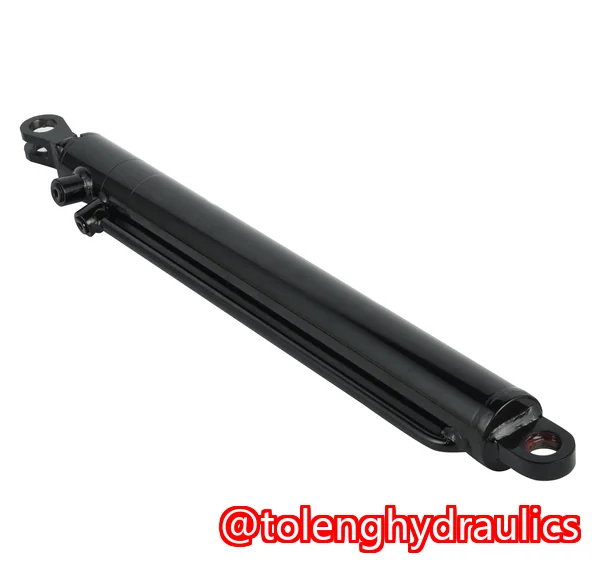
Double-rod hydraulic cylinders are particularly versatile because they allow equal force and speed in both directions of stroke, making them ideal for applications requiring balanced motion, such as mobile cranes, material handlers, and large agricultural implements. However, selecting a high-quality cylinder requires more than just looking at its external finish. Let’s explore the common pitfalls I’ve seen and how you can avoid them.
Common Pain Points When Evaluating Hydraulic Cylinders
Even experienced engineers and equipment buyers can struggle when distinguishing between a reliable hydraulic cylinder and one likely to fail. Here are a few recurring issues:
1. Appearance Can Be Misleading
Many low-quality cylinders look impressive on the outside but conceal internal flaws. A shiny rod finish or polished tube doesn’t guarantee long-term durability. I’ve seen cylinders with seemingly flawless exteriors fail within months due to poor bore finishing or substandard rod plating.
2. Seal Material and Rod Surface Confusion
Seals are critical to preventing leaks, but the variety of seal types and materials can make selection confusing. Using a cylinder with the wrong seal compound for your applicationsay, NBR for high-temperature environmentscan lead to rapid failure. Rod surface finish is equally important; a rod that’s too rough can tear seals, while one that’s too smooth may not retain lubrication, accelerating wear.
3. Inconsistent Bore Finishes
The internal cylinder bore needs to be perfectly smooth and properly hardened. A poorly finished bore causes uneven wear on seals and pistons, leading to leaks and reduced stroke efficiency. I’ve encountered cylinders where subtle bore imperfections caused hydraulic drift and inconsistent operation, creating frustration in otherwise well-maintained machinery.
Step-by-Step Guidance for Inspecting Cylinder Quality
To avoid the headaches above, I rely on a combination of visual inspections, measurements, and material verification. Here’s how I evaluate a hydraulic cylinder:
Check Cylinder Tube Material and Bore Finish
-
Ensure the tube is made from high-strength steel or appropriate alloy for the load it will handle.
-
Inspect the bore finish: it should be smooth, free of scratches, pits, or visible tool marks. A high-quality bore finish extends seal life and maintains consistent hydraulic pressure.
Inspect Piston Rod Hardness and Chrome Plating
-
Verify rod hardness using a certified hardness gauge. Ideal rods maintain surface hardness without brittleness.
-
Chrome plating thickness should meet or exceed manufacturer specificationstypically 2025 microns for heavy-duty applications.
-
Examine the surface finish: rods should be smooth with a mirror-like polish, free of pits or cracks.
Evaluate Seal Types and Materials
-
Identify the correct seal type for your applicationU-cups, wipers, O-rings, or composite seals.
-
Confirm that the material suits the operating environment: NBR for standard conditions, Viton for high-temperature or chemical resistance.
-
Check for proper seal installation; misaligned or poorly seated seals are a leading cause of leaks.
Verify Weld Quality and Cylinder Mounts
-
For welded cylinders, inspect weld seams for uniformity, penetration, and absence of cracks or porosity.
-
Check mounting points for straightness and proper reinforcement. Weak mounts lead to misalignment, rod bending, and premature failure.
Practical Measurement Tips
-
Measure bore size and rod diameter with micrometers or calipers for accuracy. Small deviations can drastically affect cylinder performance.
-
Examine rod straightness by rolling it on a flat surface or using a precision alignment tool. Even slight bends can cause seal wear and hydraulic binding.
-
Inspect port threads and fittings for proper sizing and free from burrs. Poor thread quality can create leaks and make assembly difficult.
Real-World Benefits of Proper Cylinder Selection
When you follow these inspection guidelines, the benefits are clear:
-
Avoid Costly Downtime: Identifying quality issues before installation prevents unexpected failures on job sites.
-
Extend Cylinder Life: Properly selected and inspected cylinders last longer, reducing the frequency of replacements.
-
Lower Maintenance Costs: Preventing seal damage and rod wear means fewer repairs and reduced hydraulic fluid loss.
-
Ensure Safe Operation: Reliable cylinders maintain predictable equipment behavior, reducing risks to operators and machinery.
For example, I once evaluated a double-rod cylinder for a material handling application. By measuring rod hardness, confirming chrome plating thickness, and checking the bore finish, I identified a subtle flaw in the rod surface that would have led to seal wear within weeks. Replacing it with a high-quality Toleng hydraulics cylinder avoided a potential production halt.
Step-by-Step Maintenance and Inspection Routine
To maximize the life of double-rod hydraulic cylinders, I recommend:
-
Regular Visual Checks: Inspect rods, seals, and mounts for scratches, leaks, or deformation.
-
Lubrication and Seal Care: Use compatible hydraulic fluids and maintain proper fluid levels to minimize seal degradation.
-
Pressure and Stroke Monitoring: Watch for irregular movement or unusual noise, which often signals internal wear.
-
Periodic Bore and Rod Measurement: Ensure no deviation has occurred due to operational stress.
-
End-of-Life Evaluation: Replace seals, check chrome plating, and confirm bore integrity before performance issues arise.
By adopting these simple practices, even heavy-use cylinders in construction or agricultural environments can last significantly longer, reducing overall operating costs.
Conclusion
Selecting a high-quality double-rod hydraulic cylinder doesn’t need to be a gamble. By carefully inspecting cylinder materials, bore finishes, rod hardness, chrome plating, seal types, and weld quality, buyers can avoid costly downtime, ensure safety, and extend the service life of their equipment. I highly recommend following these inspection guidelines to ensure any hydraulic cylinder purchase delivers long-term reliability and performance.
Browse our selection of high-quality hydraulic cylinders: 🔗 https://tolenghydraulics.com/contact/
Download our complete hydraulic cylinder inspection checklist today.
FAQ
Q1: How can I tell if a hydraulic cylinder has quality seals?
A: Check the material type, compatibility with your operating environment, and installation. High-quality seals are uniform, properly seated, and free of cracks.
Q2: What rod surface finish is best for long seal life?
A: A polished mirror-like finish, typically around 0.20.4 microns Ra, provides optimal seal interaction and lubrication retention.
Q3: How do I measure bore size and stroke length correctly?
A: Use a bore gauge or caliper for internal measurements, and verify stroke length with a precise ruler or measuring tape along the full cylinder travel.
Q4: What are the signs of a poorly manufactured cylinder?
A: Look for uneven welds, scratched or pitted rods, inconsistent bore finishes, misaligned mounts, and substandard seals.
Q5: Which cylinder mounting styles are strongest?
A: Welded base mounts and clevis mounts provide excellent strength for heavy-duty applications, while trunnion mounts offer flexibility but require careful alignment.
Q6: How do I choose between welded and tie-rod cylinders?
A: Welded cylinders are ideal for high-pressure, permanent installations, while tie-rod cylinders are easier to disassemble and maintain in medium-pressure applications.
Q7: What chrome plating thickness should I look for on rods?
A: For heavy-duty industrial and construction applications, 2025 microns of chrome plating is recommended to resist wear and corrosion.
Keywords/Tags: hydraulic cylinder quality, cylinder seals, rod finish, bore size, hydraulic cylinder maintenance, cylinder inspection, welded hydraulic cylinder, tie-rod cylinder, hydraulic cylinder buying guide, cylinder failure prevention, hydraulic cylinder materials, hydraulic seal types

