
The Cost of Replacing vs Rebuilding a Hydraulic Cylinder
When a hydraulic cylinder on a critical piece of construction equipment fails unexpectedly, the impact is immediate: halted operations, frustrated operators, and expensive downtime. I’ve seen it countless times on job sitesmachines standing idle because a cylinder seal gave way, a rod got scratched, or the bore wore unevenly. For equipment owners and maintenance engineers, these failures are more than an inconveniencethey hit the bottom line hard. That’s why understanding whether to replace or rebuild a hydraulic cylinder, and how to ensure you’re sourcing quality components, is critical. In my experience, taking a systematic approach to cylinder inspection can prevent these costly surprises.
Common Challenges in Evaluating Hydraulic Cylinders
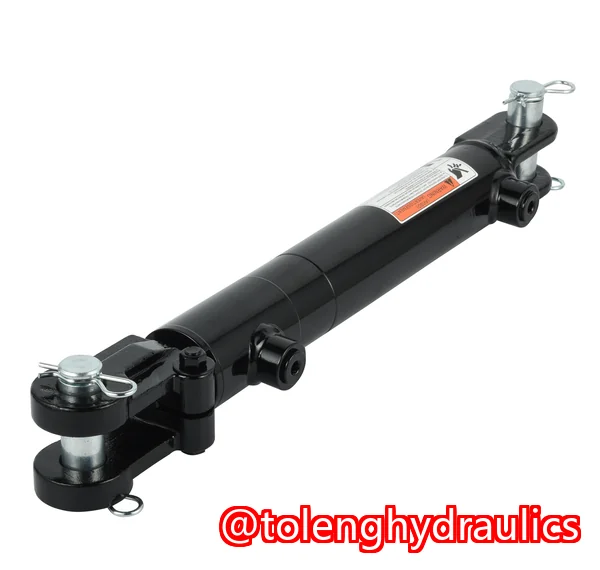
Many people assume that all hydraulic cylinders are created equal, but the reality is far from it. Even cylinders that look pristine on the outside can hide serious quality issues. Here are some of the most common pain points I’ve encountered:
-
Appearance can be deceiving: A shiny chrome rod or freshly painted tube doesn’t always mean the cylinder will perform reliably. Poor internal finishes or substandard materials often remain hidden until the cylinder is in use.
-
Seal materials and rod finishes are critical: Using the wrong seal for an applicationor a rod with insufficient hardness or poor chrome platingcan lead to rapid leakage and surface scoring.
-
Inconsistent bore finish: Even slight irregularities in the cylinder’s internal bore can accelerate wear on seals and pistons, causing premature failure.
These challenges highlight why relying solely on brand reputation or visual inspection isn’t enough. This is where Toleng hydraulics provides a practical solution, giving buyers and engineers the tools to evaluate cylinders with confidence.
Inspecting Cylinder Quality: Step-by-Step
Over the years, I’ve developed a practical, hands-on approach to inspecting hydraulic cylinders that helps avoid costly mistakes. Whether you’re deciding between rebuilding an existing cylinder or purchasing a replacement, here’s what I recommend focusing on:
1. Cylinder Tube Material and Bore Finish
The cylinder tube is the foundation of any hydraulic cylinder, and its material and internal finish determine durability.
-
Check the tube material: High-quality steel or alloy steel tubes resist wear and withstand pressure variations. Tubes made from softer metals or poorly treated steel can deform under load.
-
Inspect the bore finish: Use a visual inspection or a bore gauge to detect rough spots, scratches, or inconsistencies. A smooth, uniform bore ensures that seals glide properly and reduces the risk of leaks.
2. Piston Rod Hardness and Chrome Plating
The piston rod takes the brunt of the mechanical stress. Its hardness, surface finish, and chrome plating thickness are essential for long-term performance.
-
Rod hardness: High-quality rods are hardened to withstand bending and scoring.
-
Chrome plating thickness: Look for rods with uniform chrome plating, typically 0.0020.005 inches thick. Thin or uneven plating wears quickly, exposing the steel underneath.
-
Surface finish: A mirror-like, polished surface reduces friction with seals and prevents premature wear.
3. Seal Types and Materials
Seals are the first line of defense against hydraulic fluid leakage. Selecting the right type for your application is critical.
-
Material matters: Nitrile (Buna-N), polyurethane, and Viton seals each have specific chemical and temperature resistances. Match the seal to your hydraulic fluid and operating environment.
-
Inspect for proper installation: Even high-quality seals fail if misaligned or damaged during assembly. Look for uniform seating and check for cracks or chips.
4. Weld Quality and Cylinder Mounts
Whether a cylinder is welded or tie-rod, the integrity of the welds and mounts is a clear indicator of durability.
-
Check weld uniformity: Look for smooth, consistent weld beads without cracks or gaps. Poor welds compromise structural integrity.
-
Inspect mounts: Pins, flanges, and trunnions should be free from deformation. Any bending or misalignment can cause uneven loads and early wear.
5. Practical Measurement Tips
To verify specifications and detect potential issues before purchase:
-
Measure bore size and rod diameter accurately: Use a caliper or micrometer to confirm dimensions match the manufacturer’s specification.
-
Check rod straightness: Roll the rod on a flat surface and watch for wobble. Even minor bends can reduce seal life.
-
Inspect ports and fittings: Thread quality affects sealing reliability. Damaged threads can lead to leaks under high pressure.
Rebuilding vs Replacing: Making the Right Choice
When a cylinder fails, you often face a decision: rebuild or replace. Here’s what I consider:
-
Rebuilding is cost-effective when the cylinder body and rod are intact. Replacing seals, inspecting chrome plating, and honing the bore can restore performance. This is ideal for high-cost, specialty cylinders.
-
Replacing is preferable if the rod is bent, the bore is deeply scored, or welds are compromised. New cylinders also give you the opportunity to upgrade materials, seals, or mounting styles to prevent future problems.
In my experience, investing time in inspection upfront can prevent recurring rebuilds or repeated downtime. Toleng hydraulics provides guidance and inspection tools that make this evaluation straightforward.
Benefits of Proper Inspection
Following a systematic inspection approach has tangible advantages:
-
Reduced downtime: Identifying issues before they cause failure keeps your equipment running.
-
Extended cylinder service life: Selecting the right materials and seals prevents premature wear.
-
Lower maintenance costs: Avoid unnecessary rebuilds or replacements caused by hidden defects.
-
Improved safety: Reliable cylinders reduce the risk of sudden hydraulic failures that can endanger operators.
Conclusion
When it comes to hydraulic cylinders, the cost of failure is far higher than the cost of careful inspection. By evaluating tube materials, bore finishes, rod hardness and chrome plating, seal quality, and weld integrity, you can make informed decisions about whether to rebuild or replace a cylinder. I highly recommend following these inspection guidelines to ensure any hydraulic cylinder purchase delivers long-term reliability and performance.
Browse our selection of high-quality hydraulic cylinders: 🔗 https://tolenghydraulics.com/contact/
Download our complete hydraulic cylinder inspection checklist today to make sure your equipment stays productive and safe.
FAQs
1. How can I tell if a hydraulic cylinder has quality seals?
Check the material against the intended hydraulic fluid and temperature range. Look for even seating, no cracks, and uniform thickness.
2. What rod surface finish is best for long seal life?
A polished, mirror-like surface with minimal roughness reduces friction and prevents scoring, extending seal life.
3. How do I measure bore size and stroke length correctly?
Use precise tools like a caliper or bore gauge. Measure at multiple points along the cylinder to ensure consistency.
4. What are the signs of a poorly manufactured cylinder?
Uneven bore finishes, thin or flaking chrome, misaligned mounts, rough welds, and substandard seals are all red flags.
5. Which cylinder mounting styles are strongest?
Welded cylinders offer robust, fixed mounts, while tie-rod cylinders provide flexibility. The best choice depends on load and space requirements.
6. How do I choose between welded and tie-rod cylinders?
Welded cylinders are ideal for high-pressure, heavy-duty applications. Tie-rod cylinders are easier to service and suitable for moderate pressures.
7. What chrome plating thickness should I look for on rods?
A thickness of 0.0020.005 inches ensures durability, uniform wear resistance, and proper seal performance.
Tags / Keywords
hydraulic cylinder quality, cylinder seals, rod finish, bore size, hydraulic cylinder maintenance, cylinder inspection, welded hydraulic cylinder, tie-rod cylinder, hydraulic cylinder buying guide, cylinder failure prevention, hydraulic cylinder materials, hydraulic seal types, cylinder bore finish, rod chrome plating

