
Hydraulic Cylinder Terminology Explained for Beginners
When it comes to sourcing hydraulic cylinders for your equipment, choosing the right manufacturer can make the difference between reliable performance and costly downtime. I’ve seen firsthand how premature cylinder failures, leaking seals, and bent rods can derail a project or shut down production. Many of these issues aren’t caused by improper usethey’re the result of low-quality manufacturing or inconsistent inspection practices. That’s why working with a trusted manufacturer like Toleng Hydraulics, which prioritizes precision engineering, rigorous quality control, and customized solutions, is essential for keeping your machinery running smoothly.
In this guide, I’ll walk you through the key hydraulic cylinder terminology, explain what to look for when evaluating quality, and share practical tips for making informed purchasing decisions. Whether you’re managing construction equipment, agricultural machinery, or industrial automation, understanding these concepts can save you time, money, and frustration.
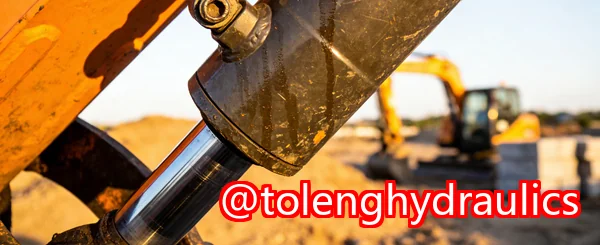
Understanding Hydraulic Cylinder Basics
At a high level, a hydraulic cylinder converts hydraulic energy into linear motion and force. But beyond the simple definition, there are several key terms every buyer should understand:
-
Bore This is the internal diameter of the cylinder tube. The bore determines the cylinder’s force output for a given hydraulic pressure. A smooth, uniform bore is critical for seal longevity and preventing leaks.
-
Rod The piston rod extends from the cylinder to transfer force to the machine. Rod surface finish, straightness, and chrome plating quality are vital to prevent premature wear on seals and prevent bending.
-
Stroke Stroke length is the maximum distance the rod can extend. Matching stroke length to your application ensures the cylinder operates efficiently without overextension.
-
Seals Hydraulic seals maintain pressure and prevent fluid leakage. There are many types, including rod seals, piston seals, and wipers, each designed for specific conditions.
-
Mounting Styles Cylinders can be mounted in various ways, including flange, clevis, trunnion, and pivot mounts. Choosing the right mount ensures proper alignment and load handling.
-
Pressure Ratings This includes working pressure and test pressure. Cylinders are often pressure-tested to 1.5 times the working pressure to ensure reliability under load.
Understanding these terms is the first step toward evaluating cylinder quality and avoiding the pitfalls of substandard equipment.
Common Pain Points in Hydraulic Cylinders
In my experience working with equipment owners and maintenance teams, most cylinder failures trace back to a few recurring issues:
-
Premature seal failure Often caused by rough cylinder bores, poor rod finishes, or incorrect seal selection.
-
Rod bending or scoring Low-quality rods with uneven chrome plating or poor straightness fail under load.
-
Corrosion and coating degradation Cylinders operating in harsh environments without proper material selection or surface treatment can deteriorate quickly.
-
Inconsistent performance Sourcing from unreliable suppliers often leads to variation in bore size, stroke length, or mounting dimensions, causing misalignment or binding.
Each of these problems not only affects machine uptime but also increases maintenance costs and safety risks.
Toleng Hydraulics’ Manufacturing Capabilities
Choosing a professional manufacturer like Toleng Hydraulics ensures these pain points are minimized. Here’s how our production capabilities set us apart:
-
Advanced CNC Machining Centers Every cylinder tube and rod is machined to precise tolerances, ensuring uniform bore size and alignment. This precision is critical for seal performance and rod life.
-
Automatic Welding Equipment Cylinder heads and end caps are welded using automated systems to prevent distortion and maintain dimensional accuracy.
-
Precision Honing Machines Bore surfaces are honed to exact smoothness, which reduces friction and extends seal lifespan.
-
Complete Testing Facilities Each cylinder undergoes rigorous pressure testing and performance evaluation to meet safety and reliability standards.
By investing in advanced machinery, Toleng ensures that every component meets exact specifications before assembly.
Quality Control: From Raw Materials to Final Testing
High-quality manufacturing is nothing without strict quality control. Here’s how Toleng ensures every hydraulic cylinder is ready for real-world operation:
-
Raw Material Inspection and Traceability We verify chemical composition, tensile strength, and source documentation for all tubes, rods, and seals. Every material batch is traceable.
-
In-Process Quality Checks During production, bore diameters, rod alignment, weld integrity, and surface finishes are continuously monitored.
-
Final Pressure Testing Each cylinder is tested at 1.5 times the working pressure to confirm it can handle maximum operational stress.
-
Surface Finish and Coating Inspection Rods are chrome-plated and inspected for thickness, smoothness, and adhesion, while cylinder bodies receive corrosion-resistant coatings appropriate for their intended environment.
This multi-stage approach reduces failures and provides customers with confidence in every cylinder they purchase.
Customization Options for Every Application
Every machine and environment is different. Toleng offers a range of customization options to meet specific operational needs:
-
Custom Bore Sizes and Stroke Lengths Optimize cylinder force and motion for your exact application.
-
Special Materials For corrosive or abrasive conditions, we offer stainless steel, hard-chrome rods, and wear-resistant alloys.
-
Various Mounting Styles Clevis, trunnion, flange, and pivot mounts ensure alignment and ease of installation.
-
Special Seal Options High-temperature, low-friction, or heavy-duty seals cater to demanding hydraulic systems.
Custom design ensures cylinders perform reliably, even in the harshest industrial, agricultural, or construction environments.
Benefits of Working with a Professional Manufacturer
Partnering with a trusted hydraulic cylinder manufacturer delivers tangible advantages:
-
Consistent Quality Assurance Every cylinder meets strict manufacturing and inspection standards.
-
Shorter Lead Times Advanced production processes reduce downtime between order and delivery.
-
Technical Support and Expertise Our engineers assist with sizing, mounting, and material selection for your specific needs.
-
Cost-Effective Solutions Minimizing failures and maintenance translates to lower total ownership costs over time.
Real-world example: I recently worked with a construction equipment supplier who switched from a generic cylinder supplier to a professional manufacturer. The result? Rod failures dropped 70%, seal replacement frequency halved, and machine uptime improved dramatically.
Practical Guidance: How to Inspect and Select Reliable Cylinders
When evaluating a hydraulic cylinder, I recommend following these inspection steps:
-
Check Material Certificates Confirm the tube, rod, and seal materials are documented and traceable.
-
Inspect Rod Chrome and Straightness Rods should be smooth, uniform, and free from bends or surface defects.
-
Examine Bore Finish Honed bores reduce seal wear and leakage. Roughness or scoring is a red flag.
-
Verify Seal Type and Fit Ensure seals match the application conditions (temperature, pressure, fluid type).
-
Test Mounting Dimensions Confirm mounts align perfectly to avoid stress or binding during operation.
-
Review Pressure Testing Records Cylinders should be tested above working pressure for safety and durability.
-
Ask About Customization Options Tailored cylinders last longer and integrate more efficiently into your system.
Following these steps can save thousands in repair costs and prevent unexpected downtime.
Conclusion
Understanding hydraulic cylinder terminology and inspection methods is key to selecting durable, high-performing cylinders. From bore smoothness and rod quality to seal selection and mounting integrity, each factor impacts the reliability of your equipment. I highly recommend following these inspection guidelines to ensure any hydraulic cylinder purchase delivers long-term reliability and performance.
Browse our selection of high-quality hydraulic cylinders: 🔗 https://tolenghydraulics.com/contact/
Download our complete hydraulic cylinder inspection checklist today to make informed purchasing decisions.
FAQs
1. What quality certifications do you have?
Toleng Hydraulics uses ISO-certified materials and maintains full traceability, ensuring each cylinder meets industry quality standards.
2. What is your typical production lead time?
Lead times vary by order size and customization, but we generally deliver standard cylinders within 35 weeks.
3. Do you offer custom designs?
Yes, we provide tailored bore sizes, stroke lengths, mounting styles, and special material selections for demanding applications.
4. What testing do you perform on each cylinder?
All cylinders undergo final pressure testing at 1.5 times the working pressure, surface finish inspection, and seal verification before shipment.
5. What is your minimum order quantity?
We accommodate both small and large orders, making it easy for OEMs and maintenance teams to source cylinders efficiently.
6. Do you provide technical drawing support?
Yes, our engineering team offers detailed drawings and specifications to ensure accurate integration into your equipment.
7. What materials do you use for cylinder tubes and rods?
We use high-strength steel, stainless steel, and hard-chrome rods with corrosion-resistant coatings, selected according to the application environment.
Tags / Keywords: hydraulic cylinder, manufacturer, manufacturing, factory, CNC machining, quality control, testing, inspection, custom design, OEM, lead time, certification, pressure testing, hydraulic cylinder materials

