
Types of Hydraulic Cylinders and Their Industrial Uses: Choosing Quality That Lasts
Learn how to identify high-quality hydraulic cylinders, avoid failures, and choose reliable manufacturers for long-term performance.
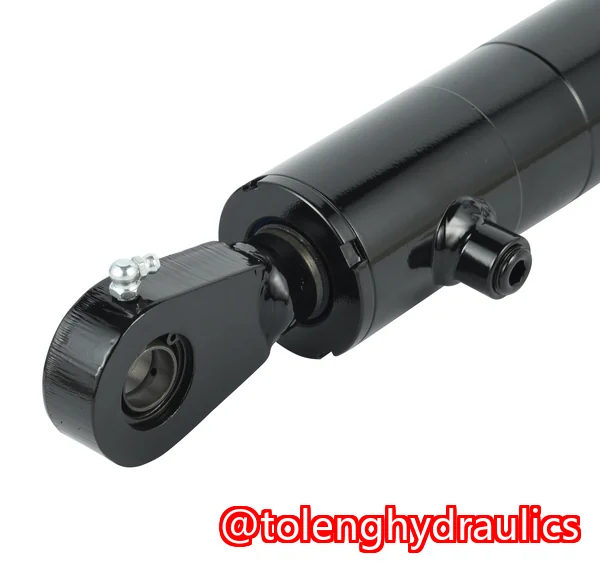
If there’s one lesson I’ve learned after years working with heavy equipment, it’s this: the reliability of your entire system often depends on the hydraulic cylinder you chooseand more importantly, who you choose to manufacture it.
I’ve seen projects delayed, machines sidelined, and budgets blownnot because of complex system failures, but because a single cylinder started leaking, scoring, or outright failing far earlier than expected. In most cases, the root cause wasn’t designit was inconsistent manufacturing quality.
Sourcing from unreliable suppliers often leads to familiar headaches: seal leakage after a few weeks, rods pitting under normal conditions, or cylinders failing pressure tests in the field. These aren’t just inconveniencesthey’re risks to productivity, safety, and reputation.
That’s why I pay close attention to manufacturers like Toleng hydraulics. Their philosophy centers on controlled, in-house production, strict inspection standards, and a commitment to durability over shortcuts. In this article, I’ll walk you through the different types of hydraulic cylinders, where they’re used, andmore importantlyhow to evaluate their quality so you can avoid costly mistakes.
Understanding the Types of Hydraulic Cylinders in Real-World Use
Before diving into quality, it helps to understand where different cylinder types fit into industrial applications. Each type has its own strengthsand its own quality risks.
Single-Acting Cylinders
These cylinders use hydraulic pressure in one direction, with gravity or a spring returning the rod.
I often see them in:
-
Dump trucks
-
Agricultural implements
-
Simple lifting systems
Common issue: Poor sealing leads to slow drift or loss of holding force. If the seal quality isn’t right, performance drops quickly.
Double-Acting Cylinders
These are the workhorses. Hydraulic pressure drives both extension and retraction.
Used widely in:
-
Construction equipment
-
Industrial machinery
-
Material handling systems
What I watch for: Internal leakage between chambers. Poor bore finish or seal quality can cause efficiency loss and overheating.
Telescopic Cylinders
Designed for long strokes in compact spaces, these multi-stage cylinders are common in:
-
Dump trucks
-
Waste handling equipment
Typical failure point: Stage misalignment or uneven wear. Manufacturing precision is critical herethere’s no room for error.
Tie-Rod vs. Welded Cylinders
-
Tie-rod cylinders are common in industrial settings, easy to service.
-
Welded cylinders are compact and better suited for mobile equipment.
Quality concern: Weak welds or poor stress handling can lead to structural failure under load.
Where Quality Really Matters: Manufacturing Capabilities
Now let’s get into what separates a reliable cylinder from a risky one.
From my experience, the difference is almost always tied to manufacturing capability. Toleng hydraulics stands out here because they control the entire process in-house.
Advanced CNC Machining Centers
Precision machining isn’t optionalit’s the foundation.
-
Ensures tight tolerances for cylinder bores and rods
-
Reduces misalignment and uneven wear
-
Improves seal life dramatically
I’ve inspected cylinders where poor machining left microscopic inconsistencies. You won’t see them at firstbut seals will feel them immediately.
Automatic Welding Equipment
Welding quality directly impacts structural integrity.
-
Consistent weld penetration
-
Reduced human error
-
Stronger, more uniform joints
I’ve seen cylinders fail not because of pressure, but because of weak weld seams. Automation helps eliminate that risk.
Precision Honing Machines
This is one of the most overlooked aspects of hydraulic cylinder inspection.
-
Smooth, consistent bore finish
-
Proper crosshatch pattern for lubrication retention
-
Reduced seal wear
A poor bore finish is like sandpaper to seals. It guarantees early failure.
Complete Testing Facilities
Testing isn’t a formalityit’s a filter.
Toleng hydraulics performs:
-
Full functional testing
-
Leak detection
-
Performance validation under load
If a manufacturer skips comprehensive testing, you’re essentially doing it yourselfon your equipment.
Inside a Reliable Quality Control Process
Let me break down what a proper cylinder quality control system looks like in practice.
Raw Material Inspection and Traceability
Every reliable cylinder starts with verified materials.
-
Steel composition checks
-
Certification documentation
-
Batch traceability
If a supplier can’t tell you where the material came from, that’s a red flag.
In-Process Quality Checks
Quality shouldn’t be inspected only at the end.
-
Dimensional checks during machining
-
Weld inspections
-
Surface finish monitoring
This prevents small issues from becoming major failures.
Final Pressure Testing (1.5x Working Pressure)
This is non-negotiable.
-
Verifies structural integrity
-
Detects internal and external leaks
-
Ensures safety under real-world conditions
Toleng hydraulics tests every cylinder at 1.5 times its working pressure. That’s the level of confidence you want.
Surface Finish and Coating Inspection
Rod and surface quality determine long-term durability.
-
Chrome plating thickness checks
-
Corrosion resistance validation
-
Smoothness inspection
Poor rod finishing leads to pittingand once that starts, seal damage follows quickly.
Customization: Because One Size Never Fits All
In real-world applications, standard cylinders often fall short.
What I appreciate about Toleng hydraulics is their flexibility in custom design.
Custom Bore Sizes and Stroke Lengths
-
Tailored to machine geometry
-
Improves efficiency and performance
Special Materials for Harsh Environments
-
Corrosion-resistant alloys
-
High-temperature materials
-
Heavy-duty steel options
If you’re working in mining, marine, or extreme climates, this is critical.
Various Mounting Styles
-
Clevis
-
Flange
-
Trunnion
Incorrect mounting can introduce stress and shorten cylinder life.
Special Seal Options
Understanding hydraulic seal types is key.
-
High-temperature seals
-
Low-friction seals
-
Heavy-duty pressure seals
The wrong seal choice is one of the fastest ways to guarantee failure.
Practical Inspection Tips I Always Follow
If you’re sourcing cylinders, here’s my personal checklist.
1. Check the Cylinder Bore Finish
-
Look for consistent honing patterns
-
Avoid rough or uneven surfaces
This directly impacts seal life.
2. Inspect the Rod Quality
-
Smooth chrome plating
-
No visible defects or pitting
-
Proper hardness
Rod damage is one of the most common causes of failure.
3. Evaluate Seal Quality
-
Ask about materials and suppliers
-
Check compatibility with your application
Cheap seals are expensive in the long run.
4. Verify Pressure Testing
-
Confirm 100% testing, not sampling
-
Ask for test standards
5. Review Mounting Integrity
-
Ensure alignment
-
Check weld quality
-
Confirm load ratings
Misalignment leads to uneven wear and early failure.
Why Working with a Professional Manufacturer Makes a Difference
I’ve worked with both low-cost suppliers and professional manufacturers. The difference becomes obviousfast.
Consistent Quality Assurance
You get predictable performance, not surprises.
Shorter Lead Times
Efficient production systems mean faster delivery without sacrificing quality.
Technical Support and Expertise
A good manufacturer doesn’t just sellthey advise.
Cost-Effective Solutions
Higher upfront quality reduces:
-
Downtime
-
Maintenance costs
-
Replacement frequency
In the long run, it’s always cheaper.
Real-World Example: Avoiding a Costly Mistake
A contractor I worked with once sourced low-cost cylinders for a fleet of dump trucks. Within three months:
-
Multiple seal failures
-
Oil leaks across job sites
-
Unexpected downtime
After switching to a manufacturer with proper hydraulic cylinder inspection and testing standards, failure rates dropped dramatically.
Same application. Different quality. Huge difference.
Final Thoughts
Choosing the right hydraulic cylinder isn’t just about specificationsit’s about trust in the manufacturing process behind it.
From machining precision to pressure testing, every step matters. And when those steps are controlled, inspected, and documented, you get a product that performs reliably in the real worldnot just on paper.
I highly recommend following these inspection guidelines to ensure any hydraulic cylinder purchase delivers long-term reliability and performance.
If you’re ready to take the next step:
-
Browse our selection of high-quality hydraulic cylinders: 🔗 https://tolenghydraulics.com/contact/
-
Download our complete hydraulic cylinder inspection checklist today.
FAQs
What quality certifications do you have?
Most professional manufacturers provide ISO certifications and full material traceability. Always ask for documentation to verify compliance.
What is your typical production lead time?
Lead times vary depending on customization, but a well-equipped manufacturer typically delivers within a few weeks while maintaining quality.
Do you offer custom designs?
Yes. Custom bore sizes, stroke lengths, mounting styles, and materials are commonly available to match specific applications.
What testing do you perform on each cylinder?
High-quality manufacturers perform 100% pressure testingoften at 1.5 times the working pressurealong with leak and performance testing.
What is your minimum order quantity?
This depends on the manufacturer. Many offer flexible MOQs, especially for OEM or long-term partnerships.
Do you provide technical drawing support?
Yes. Most professional manufacturers assist with design drawings to ensure proper integration into your equipment.
What materials do you use for cylinder tubes and rods?
High-grade steel with verified composition is standard. Rods are typically chrome-plated for wear and corrosion resistance.
Tags / Keywords
hydraulic cylinder, manufacturer, manufacturing, factory, CNC machining, quality control, testing, inspection, custom design, OEM, lead time, certification, pressure testing, hydraulic cylinder materials

