
Compact Hydraulic Cylinders: Space-Saving Solutions for Industry
When you’re managing heavy equipment, space is always at a premium. Whether you’re working in agriculture, construction, or industrial applications, compact hydraulic cylinders offer a simple yet powerful solution to save valuable space without compromising performance. Yet, not all hydraulic cylinders are created equal. If you’re like me, you’ve probably experienced the frustration of dealing with premature failures, such as seal leaks, rod damage, or cylinders that just don’t meet expectations. So, how can you ensure that the compact hydraulic cylinders you’re investing in will stand the test of time? Let me walk you through a few practical tips on evaluating hydraulic cylinder quality and how to make sure you’re getting the most value for your money.
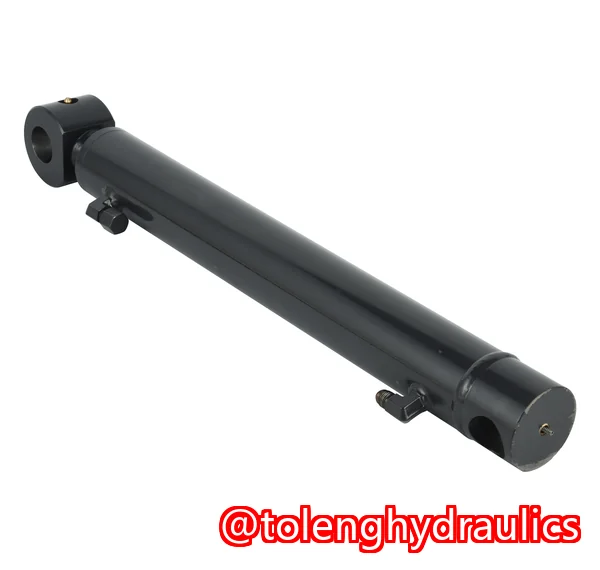
Common Problems When Purchasing Hydraulic Cylinders
One of the most common issues faced by engineers and equipment owners when sourcing hydraulic cylinders is the difficulty in identifying genuine quality from the visual appearance alone. Too often, cylinders look great on the outside but fail quickly under pressure. Here are a few of the most frequent pain points:
-
Premature Seal Failures: Over time, seals can degrade or fail completely, leading to leaks. But poor-quality seals often fail prematurely, causing equipment downtime and costly repairs.
-
Rod Surface Damage: A hydraulic cylinder’s piston rod is subjected to extreme forces. If the rod finish is poor, it can wear down seals quickly, causing leaks and other damage to the cylinder’s interior components.
-
Bore Finish Inconsistencies: A cylinder’s bore must be smooth and even for optimal performance. If the bore finish is rough or inconsistent, it can lead to premature wear on seals and piston rods, ultimately shortening the cylinder’s lifespan.
Fortunately, these issues can be avoided with a bit of knowledge and a keen eye during the purchasing process. That’s where Toleng hydraulics comes in. They offer high-quality hydraulic cylinders designed to tackle these challenges head-on. Here’s how to spot the differences and ensure you’re making a smart investment.
How to Evaluate Hydraulic Cylinder Quality
When evaluating a hydraulic cylinder, there are several key areas to inspect. Taking the time to do this will pay off in the long run by extending the lifespan of your equipment, reducing downtime, and avoiding costly repairs. Here’s a step-by-step guide to help you make the right decision:
1. Cylinder Tube Material and Internal Bore Finish
The material and finish of the cylinder tube play a vital role in the cylinder’s overall performance. If the material is too soft, the cylinder will wear out prematurely. Similarly, a rough bore finish can cause friction between the piston and the cylinder walls, leading to faster wear and failure.
What to look for:
-
Inspect the cylinder’s internal bore for smoothness. A polished, smooth bore helps reduce friction and improves seal life.
-
Ensure that the tube is made from high-quality materials like honed steel or stainless steel to ensure durability.
2. Piston Rod Hardness, Chrome Plating Thickness, and Surface Finish
The piston rod is often the first component to show signs of wear, and if it isn’t properly treated, it can cause serious issues like seal damage or leakage.
What to check:
-
The rod should have a high level of hardness, ensuring it resists wear and tear under pressure.
-
Check the chrome plating thickness: it should be thick enough to protect the rod from corrosion and wear but not too thick that it hinders smooth operation.
-
Inspect the surface finish. Any visible rough patches or pitting could indicate poor-quality manufacturing, which could lead to seal degradation over time.
3. Seal Types and Materials
Not all seals are created equal, and selecting the wrong type or material for a specific application can lead to premature failures. It’s essential to ensure that the seals are suited for the pressures and environment in which the cylinder will be used.
What to consider:
-
For harsh environments, such as those with high temperatures or exposure to chemicals, seals should be made of materials that can withstand these conditions (e.g., Viton, PTFE).
-
Inspect the seals to make sure they fit properly and don’t show signs of deformity or damage.
4. Weld Quality on Cylinder Ends and Mounts
Hydraulic cylinders must endure significant forces, and the quality of the welds used to secure the cylinder ends and mounts is critical for overall strength and reliability.
What to look for:
-
Check the welds for any signs of cracks or inconsistencies.
-
Ensure that the mounts are solidly attached and that there are no signs of fatigue around the weld joints.
5. Rod Straightness and Surface Defects
A bent or damaged rod can lead to issues like binding, excessive wear, and seal failure. Even a slight deviation from straightness can affect performance.
What to check:
-
Use a straightedge or caliper to check the rod for any signs of bending.
-
Look for surface defects such as nicks, scratches, or pits that could cause the seals to fail prematurely.
6. Port Threads and Fitting Quality
The quality of the threads and fittings on the cylinder ports is another area to inspect. Poorly made or improperly installed fittings can cause leaks or make it difficult to achieve a secure connection.
What to consider:
-
Verify that all port threads are well-cut and free from damage.
-
Make sure that the fittings are properly aligned and securely fastened to avoid potential issues with fluid leakage.
Benefits of Proper Inspection
Taking the time to thoroughly inspect a hydraulic cylinder before purchasing can have several key benefits:
-
Avoid Costly Downtime: A well-inspected cylinder is less likely to fail prematurely, saving you from expensive downtime and repairs.
-
Extend Cylinder Service Life: Properly selecting a high-quality hydraulic cylinder and identifying potential issues early can prolong its service life.
-
Reduce Maintenance Costs: By purchasing reliable cylinders, you’ll reduce the need for frequent repairs, helping you save on long-term maintenance costs.
Practical Tips for Selecting the Right Hydraulic Cylinder
To help you make a more informed purchasing decision, here are a few additional tips:
-
How to Measure Bore Size and Rod Diameter: Accurate measurements are essential when selecting a cylinder. Use a caliper to measure the bore size and ensure that the rod diameter matches your application’s requirements.
-
How to Identify Signs of Poor Seal Quality: Poor seal quality can be detected by inspecting for signs of oil leakage or by checking the seals for irregularities such as cracks or premature wear.
-
Checking Rod Straightness: A simple method to check for straightness is to use a machinist’s level or a straightedge. Any deviation from straightness can affect cylinder performance.
-
Inspecting Mounting Styles for Durability: Ensure that the mounting style (whether welded, tie-rod, or flange) is appropriate for the intended application. Some mounting styles are more robust than others, so make sure the one you choose suits the conditions it will operate under.
Conclusion
When it comes to selecting hydraulic cylinders, it’s crucial to do your due diligence. A high-quality hydraulic cylinder is a smart investment that can reduce downtime, improve performance, and extend the life of your equipment. By following the inspection guidelines outlined in this post, you’ll be better equipped to make informed purchasing decisions that save you time, money, and headaches down the road.
I highly recommend following these inspection guidelines to ensure any hydraulic cylinder purchase delivers long-term reliability and performance. If you’re ready to find the right hydraulic cylinders for your needs, browse our selection of high-quality hydraulic cylinders at Toleng Hydraulics.
Frequently Asked Questions
1. How can I tell if a hydraulic cylinder has quality seals?
Look for seals made of durable materials like Viton or PTFE, and ensure they fit securely without any deformities. Leaks or premature wear are usually signs of poor-quality seals.
2. What rod surface finish is best for long seal life?
A smooth, polished rod surface with a high level of chrome plating ensures durability and reduces wear on seals, prolonging their life.
3. How do I measure bore size and stroke length correctly?
Use a caliper to measure the internal bore diameter and ensure that it matches the specifications for your application. Measure the stroke length by checking the total distance the piston travels.
4. What are the signs of a poorly manufactured cylinder?
Signs include rough bore finishes, poor weld quality, surface defects on the rod, and improper seal installation. Any of these issues can lead to early failure.
5. Which cylinder mounting styles are strongest?
Welded cylinders tend to be stronger and more durable, making them ideal for heavy-duty applications. Tie-rod cylinders are also robust, though they’re often better suited for lighter applications.
6. How do I choose between welded and tie-rod cylinders?
Welded cylinders are better for heavy-duty and high-pressure applications, while tie-rod cylinders are typically used in lighter-duty machinery due to their easier maintenance and cost-effectiveness.
7. What chrome plating thickness should I look for on rods?
A chrome plating thickness of at least 20 microns is recommended for optimal protection against wear and corrosion, but specific requirements may vary based on your application.
Tags/Keywords: hydraulic cylinder quality, cylinder seals, rod finish, bore size, hydraulic cylinder maintenance, cylinder inspection, welded hydraulic cylinder, tie-rod cylinder, hydraulic cylinder buying guide, cylinder failure prevention, hydraulic cylinder materials

