
Custom Hydraulic Cylinder Manufacturers: What to Ask Before Ordering
When purchasing hydraulic cylinders for heavy equipment, I’ve learned firsthand that not all cylinders are built to last. Whether you’re in construction, agriculture, or industrial sectors, the quality of your hydraulic cylinders can make the difference between smooth operations and expensive, frustrating downtime. Premature seal failures, rod damage, and leaks can bring operations to a grinding halt, causing costly delays and repairs.
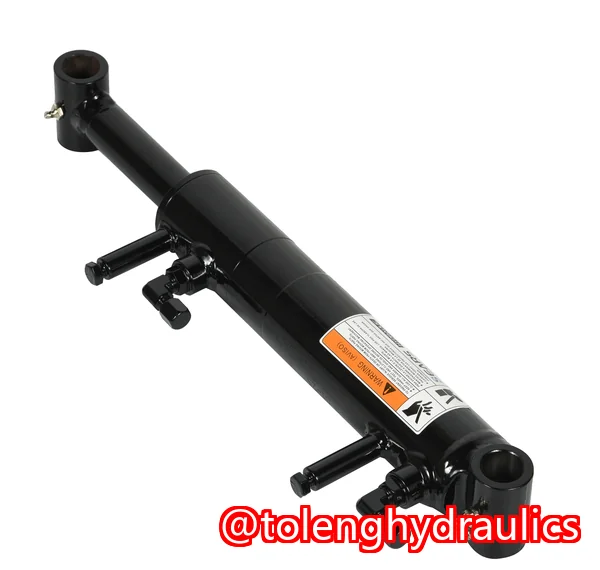
To ensure long-term reliability, it’s crucial to know what to look for when sourcing hydraulic cylinders. With so many options on the market, how can you distinguish a high-quality cylinder from a poorly manufactured one? In this guide, I’ll walk you through the essential steps to evaluate hydraulic cylinders, so you can make informed purchasing decisions that prevent future headaches.
How to Avoid Common Pitfalls in Hydraulic Cylinder Quality
When it comes to hydraulic cylinders, the cost of failure is high. I’ve seen countless projects stall because of faulty cylinders, resulting in expensive repairs and unscheduled downtime. But not all failures are visible from the outside. Some of the most crucial factors are hidden inside the cylinder itself, in areas like the seals, rod surface finish, and bore quality.
Here are a few common issues I’ve encountered that can lead to premature cylinder failure:
-
Appearance vs. Performance
It’s easy to get caught up in the way a hydraulic cylinder looks. A shiny, smooth exterior can be tempting, but appearance alone doesn’t guarantee quality. It’s important to dive deeper and assess internal components, such as the bore finish and rod surface, which are far more telling of long-term performance.
-
Seal Problems
Seals are the first line of defense against leaks and contamination, and poor-quality seals can quickly lead to system failure. Choosing the wrong type of seal material, or having improperly installed seals, can cause leaks, loss of pressure, and reduced cylinder lifespan.
-
Rod Surface and Chrome Plating Issues
Rods that are poorly finished or have thin chrome plating can lead to surface wear, which in turn damages seals and causes contamination. I’ve had to deal with many cases where the chrome plating was too thin, leading to premature failure.
-
Bore Finish Inconsistencies
The bore finish is another critical factor to check. A rough or inconsistent bore finish leads to premature wear and poor sealing, causing the cylinder to lose its efficiency. This problem can often go unnoticed until it’s too late.
But don’t worrythese issues can be avoided if you know what to look for and how to properly inspect hydraulic cylinders.
What to Look for in a High-Quality Hydraulic Cylinder
Now that we know what can go wrong, let’s talk about how to evaluate hydraulic cylinders and ensure you’re getting the best product for your equipment. Here’s a step-by-step guide on inspecting hydraulic cylinders for quality.
1. Inspect the Cylinder Tube Material and Bore Finish
The cylinder tube is the backbone of the hydraulic cylinder, and its material should be strong and resistant to corrosion. High-quality tubes are made from carbon steel, which offers the right balance of strength and durability.
-
What to Check:
-
Ensure that the internal bore finish is smooth and uniform.
-
Look for a finish that has been honed or ground to ensure proper sealing and minimal wear on the seals.
-
Any roughness or inconsistencies in the bore finish can cause premature wear.
-
-
Why It Matters:
A smooth bore finish ensures a tight seal and reduces wear and tear on both the cylinder and its seals, leading to a longer lifespan and better performance.
2. Examine the Rod Surface and Chrome Plating
The rod is another critical component in hydraulic cylinder quality. The surface finish and the chrome plating on the rod must meet certain standards to avoid early failure.
-
What to Check:
-
Rod Hardness: The rod should be hardened to resist wear and damage from friction.
-
Chrome Plating Thickness: Ensure the plating thickness is sufficient to prevent corrosion and wear. A good plating thickness is usually around 20-30 microns.
-
Rod Surface Finish: The finish should be smooth and free from pitting or imperfections.
-
-
Why It Matters:
The rod is subjected to constant friction during operation, and poor surface finishes or thin chrome plating can lead to surface wear and seal damage. This ultimately shortens the cylinder’s lifespan.
3. Check the Quality of Seals
The seals play a crucial role in maintaining pressure and preventing leaks. Choosing the wrong material for the seals, or poor seal installation, can lead to performance issues.
-
What to Check:
-
Seal Material: Make sure the seals are made from high-quality materials, such as polyurethane or PTFE, which are resistant to pressure, temperature fluctuations, and environmental contaminants.
-
Seal Installation: Check that the seals are installed correctly and fit snugly in their grooves. Loose or improperly installed seals can cause leaks and damage.
-
-
Why It Matters:
The seals prevent contamination from entering the cylinder and ensure that the hydraulic fluid stays in the system. Poor seals lead to contamination, which can damage the internal components of the cylinder.
4. Verify Weld Quality on Cylinder Ends and Mounts
The welds on the cylinder ends and mounts need to be strong and consistent. Weak or improperly welded joints can cause the cylinder to fail under pressure.
-
What to Check:
-
Ensure that all welds are clean, smooth, and free of cracks or voids.
-
Inspect the mounting brackets and ensure they are securely welded to the cylinder tube.
-
-
Why It Matters:
Weak welds can break under pressure, causing the cylinder to fail. Strong, consistent welds ensure that the cylinder can handle high forces without issues.
5. Measure the Bore Size and Rod Diameter
One of the simplest ways to evaluate a hydraulic cylinder’s quality is to measure the bore size and rod diameter.
-
What to Check:
-
Use a caliper to measure the bore size and the rod diameter. These measurements should meet the specifications outlined in the product documentation.
-
Check for any variations or discrepancies in size, which could indicate manufacturing defects.
-
-
Why It Matters:
Proper sizing ensures that the cylinder will fit into your equipment and function as expected. Incorrect sizes can lead to poor performance and additional wear.
6. Examine the Mounting Style
Hydraulic cylinders come with different mounting styles, including welded, tie-rod, and flange-mounted cylinders. The mounting style impacts the cylinder’s durability and performance.
-
What to Check:
-
Ensure the mounting brackets are sturdy and capable of withstanding the operating conditions.
-
Verify that the mounting style is suitable for your application.
-
-
Why It Matters:
A weak or improperly installed mounting style can lead to cylinder misalignment, reduced performance, and premature failure.
Why This Matters: The Benefits of Proper Inspection
Taking the time to inspect hydraulic cylinders properly offers several key benefits:
-
Avoid Costly Equipment Downtime:
By catching potential issues before purchasing, you can avoid costly repairs and downtime caused by premature cylinder failure.
-
Extend Cylinder Lifespan:
Proper inspection helps you select cylinders that are built to last, reducing the need for frequent replacements.
-
Save on Maintenance Costs:
Identifying quality issues before you buy can save on costly repairs and unplanned maintenance expenses.
Conclusion: Ensuring Long-Term Reliability
I highly recommend following these inspection guidelines to ensure any hydraulic cylinder purchase delivers long-term reliability and performance. By focusing on key quality aspects such as rod finish, seal integrity, and bore quality, you’ll be able to choose the best hydraulic cylinders for your equipment, avoiding costly issues down the line.
Browse our selection of high-quality hydraulic cylinders: 🔗 Toleng Hydraulics
Download our complete hydraulic cylinder inspection checklist today and start making more informed decisions about your equipment.
FAQs
-
How can I tell if a hydraulic cylinder has quality seals?
Check if the seals are made from durable materials like polyurethane or PTFE. Also, ensure they fit snugly in their grooves and are free from any signs of wear or damage.
-
What rod surface finish is best for long seal life?
A smooth, polished rod surface with thick chrome plating ensures less friction and better protection for the seals.
-
How do I measure bore size and stroke length correctly?
Use a caliper to measure the internal diameter of the bore, and a tape measure or stroke counter for stroke length.
-
What are the signs of a poorly manufactured cylinder?
Look for uneven surface finishes, inconsistent bore sizes, weak welds, and any signs of rust or corrosion.
-
Which cylinder mounting styles are strongest?
Welded and tie-rod cylinders tend to offer stronger mounts and better overall durability.
-
How do I choose between welded and tie-rod cylinders?
Tie-rod cylinders are often more suitable for lower-pressure applications, while welded cylinders are better for high-pressure, heavy-duty uses.
-
What chrome plating thickness should I look for on rods?
Aim for a chrome plating thickness of 20-30 microns to ensure durability and corrosion resistance.
Tags/Keywords: hydraulic cylinder quality, cylinder seals, rod finish, bore size, hydraulic cylinder maintenance, cylinder inspection, welded hydraulic cylinder, tie-rod cylinder, hydraulic cylinder buying guide, cylinder failure prevention, hydraulic cylinder materials

