
How Digitalization Is Changing Hydraulic Cylinder Maintenance
When managing heavy machinery, especially in industries like construction, agriculture, or industrial automation, equipment reliability is a top priority. One area where I’ve seen frequent issues is with hydraulic cylinders. Premature seal failure, rod damage, and leaks can cause massive operational disruptions, leading to expensive repairs and downtime. But here’s the good news: with advancements in digital technology, we’re seeing significant improvements in hydraulic cylinder maintenance, making it easier to avoid these costly issues.
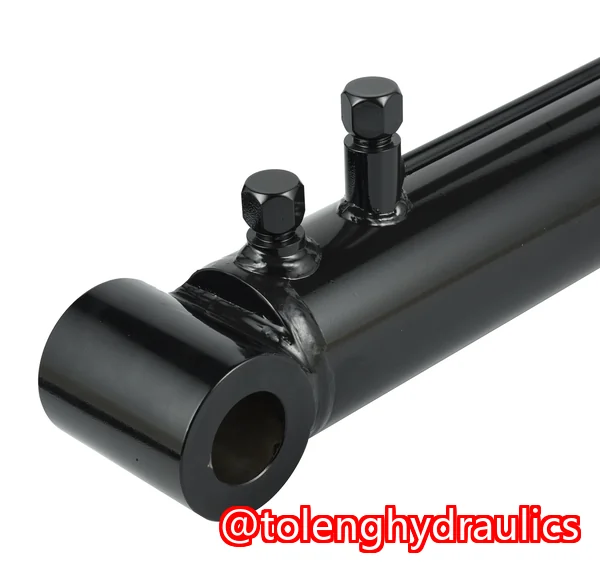
In this article, I’ll explore how digitalization is revolutionizing hydraulic cylinder maintenance, focusing on how engineers and equipment owners can leverage modern tools to ensure they’re getting the highest-quality cylinders and preventing failures before they happen.
Common Hydraulic Cylinder Issues & The Role of Digitalization
Before diving into the solutions, let’s talk about some common problems equipment owners face when dealing with hydraulic cylinders:
-
Premature Cylinder Failure This can happen when a cylinder’s seals degrade quickly, the rod gets damaged, or poor manufacturing leads to structural issues. The consequences are costly repairs, extended downtime, and safety concerns.
-
Seal Leaks Hydraulic seals are critical for preventing fluid leaks, but they are often vulnerable to wear. Improper installation, low-quality seals, or incorrect material choices can lead to premature failure.
-
Rod Damage The piston rod, which is responsible for transferring force, is prone to scratches, bends, and corrosion. Poor rod finish quality, such as inadequate chrome plating or surface defects, can cause performance issues.
-
Quality Uncertainty Sourcing high-quality cylinders is often difficult due to the wide range of products available. It’s tough to distinguish between genuine quality and poor manufacturing, especially without the right inspection tools.
Now, with digital tools, we have the ability to address these challenges head-on. Advanced technologies like condition monitoring sensors, digital inspection equipment, and predictive maintenance software are transforming the way we approach hydraulic cylinder maintenance.
How Digitalization Helps Prevent Failures
Digital tools can help avoid costly failures by improving how we inspect, monitor, and maintain hydraulic cylinders. Here’s how they work:
1. Condition Monitoring Sensors
Condition monitoring involves using sensors and diagnostic tools that provide real-time data on hydraulic cylinder performance. For example, pressure, temperature, and vibration sensors can detect anomalies like excessive wear or seal degradation. This information is sent to a central system, alerting maintenance teams to potential problems before they escalate.
2. Digital Inspection Tools
Gone are the days of manually measuring bore sizes or rod surface finishes with basic tools. Digital inspection equipment provides precise measurements and data logging, which helps identify issues like inconsistent bore finishes, inadequate rod plating, or improper alignment. Digital calipers and micrometers can ensure the exact dimensions are met, making it easier to verify quality during purchase.
3. Predictive Maintenance
With predictive maintenance software, you can predict when a hydraulic cylinder is likely to fail based on its condition. This takes the guesswork out of maintenance scheduling, allowing for timely interventions before costly repairs are needed. The software uses algorithms to analyze data from sensors and other monitoring tools, identifying patterns that may indicate impending failure.
4. Digital Twin Technology
In more advanced applications, digital twin technology creates a virtual replica of hydraulic cylinders. Engineers can simulate cylinder behavior under different conditions and predict how they will perform over time. This allows for better design decisions, improving overall reliability before the cylinder is even manufactured.
Inspecting Hydraulic Cylinder Quality: A Step-by-Step Guide
While digital tools provide valuable insights, hands-on inspection remains an essential part of selecting high-quality hydraulic cylinders. Here’s how to inspect cylinders thoroughly, ensuring you’re getting the best product for your application:
1. Cylinder Tube Material & Bore Finish
The cylinder tube is the core component, and its material and finish are critical for performance. A poor-quality tube can lead to premature wear and eventual failure. Here’s how to check:
-
Material: Verify that the tube is made of high-quality steel or other durable materials designed for the intended load.
-
Bore Finish: The internal bore should be smooth and free of any scratches or irregularities. Check the bore finish using a digital micrometer or a borescope for accurate readings.
2. Piston Rod Hardness & Surface Finish
The piston rod must withstand substantial force and wear. A high-quality piston rod will have a hard surface finish, typically achieved through chrome plating. Here’s how to inspect:
-
Hardness: Use a hardness tester to ensure the rod meets the required specifications.
-
Surface Finish: Look for any pits, scratches, or defects in the rod’s surface. A smooth, consistent surface is vital for ensuring long seal life.
3. Seal Types & Materials
Different applications require different seals. The seal material must be compatible with the hydraulic fluid and the operating conditions of the machine. To assess seal quality:
-
Material Compatibility: Ensure seals are made of materials suited for the application (e.g., polyurethane for high-pressure applications or rubber for general use).
-
Installation: Check that the seals are installed correctly, with no signs of twisting or misalignment that could lead to leaks.
4. Weld Quality
The welds on the cylinder ends and mounts should be inspected closely. Poor welding can lead to leaks or catastrophic failure. Look for smooth, consistent welds without cracks or voids.
5. Mounting Styles & Durability
Hydraulic cylinders come with different mounting styles, such as welded or tie-rod. The mounting must be robust enough to withstand the forces involved in the application.
-
Welded Cylinders: These offer strong, permanent mounts but may be harder to disassemble for repairs.
-
Tie-Rod Cylinders: These are more modular and easier to service, but they may not be as robust in high-load applications.
Practical Tips for Inspecting Hydraulic Cylinders
-
Bore Size & Rod Diameter: Measure bore size and rod diameter with precision instruments. These dimensions are critical for ensuring proper fit and function.
-
Seal Integrity: Signs of poor seal quality include visible cracks, excessive wear, or signs of leakage. Ensure seals are seated properly and show no signs of distortion.
-
Rod Straightness: Inspect the piston rod for straightness using a dial indicator or a similar tool. A bent rod can lead to uneven load distribution and premature failure.
-
Port Threads & Fittings: Check the threads on the ports and fittings for signs of wear or damage, which could lead to leaks or connection issues.
Conclusion: The Importance of Choosing Quality Hydraulic Cylinders
By using both digitalization tools and traditional inspection methods, equipment owners and maintenance engineers can select hydraulic cylinders that will deliver long-term reliability and performance. The combination of real-time data, predictive maintenance, and precise inspection ensures you make the right choice every time.
I highly recommend following these inspection guidelines to ensure any hydraulic cylinder purchase delivers long-term reliability and performance. And if you’re in the market for high-quality hydraulic cylinders, be sure to 🔗 browse our selection of Toleng hydraulics or 🔗 download our complete hydraulic cylinder inspection checklist today.
FAQ
1. How can I tell if a hydraulic cylinder has quality seals?
Quality seals should be made from durable, fluid-compatible materials. Inspect them for cracks, tears, or signs of premature wear. They should be properly seated and show no signs of twisting during installation.
2. What rod surface finish is best for long seal life?
A smooth, hard chrome-plated rod finish is ideal for long seal life. This prevents friction and wear, reducing the chances of seal failure.
3. How do I measure bore size and stroke length correctly?
Use a digital caliper or micrometer to measure the bore size. Stroke length can be measured by fully extending and retracting the cylinder and recording the distance.
4. What are the signs of a poorly manufactured cylinder?
Look for inconsistent bore finishes, poor weld quality, rough or uneven rod surface, and misaligned seals. These defects can lead to poor performance and early failure.
5. Which cylinder mounting styles are strongest?
Welded cylinders offer more durability for heavy-duty applications but are less serviceable. Tie-rod cylinders are easier to repair but may not handle as much force.
6. How do I choose between welded and tie-rod cylinders?
Choose welded cylinders for high-load applications requiring a strong, permanent mount. Go for tie-rod cylinders for easier maintenance and moderate load applications.
7. What chrome plating thickness should I look for on rods?
Look for at least 20 microns of chrome plating to ensure adequate wear resistance and seal longevity.
Tags or Keywords:
hydraulic cylinder quality, cylinder seals, rod finish, bore size, hydraulic cylinder maintenance, cylinder inspection, welded hydraulic cylinder, tie-rod cylinder, hydraulic cylinder buying guide, cylinder failure prevention, hydraulic cylinder materials

