
How Hydraulic Cylinders Power the Offshore Oil & Gas Industry
Offshore oil and gas platforms are harsh, unforgiving environments. In such challenging conditions, even the smallest malfunction can lead to catastrophic downtime, dangerous accidents, and significant financial loss. One of the key components driving the efficiency and safety of offshore operations is the hydraulic cylinder. These cylinders control various critical functions, from drilling to equipment positioning, lifting, and more. However, purchasing the right hydraulic cylinders for such an intensive application can be a daunting task. In my experience, ensuring long-term reliability requires a thorough understanding of hydraulic cylinder qualityespecially when dealing with the rigors of offshore use.
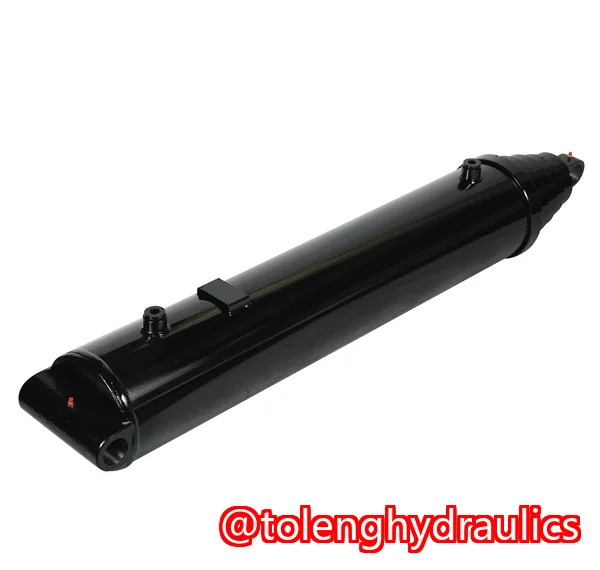
When purchasing hydraulic cylinders for offshore oil and gas operations, I’ve learned that not all cylinders are built to last. Premature seal failure, rod damage, and leaks can bring operations to a halt. It’s essential to know how to evaluate quality to avoid costly repairs, unplanned downtime, and safety risks. This guide is designed to help engineers, procurement professionals, and equipment buyers like you make informed decisions.
Common Pain Points in Hydraulic Cylinder Quality
1. Distinguishing Genuine Quality from Appearance
The first challenge in sourcing hydraulic cylinders is that appearance can be deceiving. Some manufacturers focus on making their cylinders look good, but that doesn’t always mean they’ll perform well under pressure. Offshore oil and gas applications require cylinders that can withstand extreme conditions, from high pressure to constant vibration. It’s crucial to look beyond the polished exterior and focus on the internal quality.
2. Uncertainty Around Seal Materials and Rod Surface Finishes
Another common pain point is understanding seal materials and rod finishes. Different applications require specific types of seals, which can be challenging to evaluate. Offshore environments, in particular, put extra stress on seals due to corrosive elements like saltwater and high pressures. Similarly, the finish of the piston rod plays a pivotal role in preventing wear and tear on seals. A poorly finished rod can lead to seal damage, causing leaks and malfunctions.
3. Inconsistent Bore Finishes Leading to Premature Wear
The bore finish is often overlooked when evaluating cylinder quality, but it’s a critical factor in performance. A poorly finished bore can cause friction, leading to excessive wear and reduced service life. This is especially problematic in offshore operations where downtime is costly, and cylinder failure is not an option.
How to Inspect Hydraulic Cylinder Quality
Now, let’s dive into practical steps to evaluate the quality of hydraulic cylinders. The following tips will help you ensure that the cylinders you’re purchasing meet the demanding standards of the offshore oil and gas industry.
1. Inspecting the Cylinder Tube Material and Internal Bore Finish
The material and bore finish of the cylinder tube are essential to its performance. Look for cylinders made from high-quality steel, specifically designed for high-pressure applications. The bore finish should be smooth and free from any rough spots or defects. If you’re unsure about the cylinder’s internal quality, you can use a borescope to check the smoothness of the bore. A good finish reduces friction, prolongs the lifespan of seals, and enhances overall performance.
2. Evaluating the Piston Rod Hardness, Chrome Plating, and Surface Finish
The piston rod must be made of a durable material, typically high-carbon steel, and should undergo proper heat treatment to enhance hardness. Pay particular attention to the chrome plating thickness. For offshore applications, a thicker plating is better because it provides additional corrosion resistance and surface durability. Also, inspect the rod’s surface finishlook for any signs of pitting, scratches, or damage. A well-maintained rod surface is essential for ensuring smooth operation and preventing leaks.
3. Choosing the Right Seal Types and Materials
The seals in a hydraulic cylinder are the first line of defense against leaks and failures. Different applications require different seal types, so it’s important to ensure that the seals used in your cylinder are designed for high-pressure and high-corrosion environments, such as those found offshore. Materials like polyurethane or PTFE (Teflon) are often used for seals in harsh conditions. Be sure to check that the seals are installed correctly, and that the cylinder design supports their durability over time.
4. Verifying the Weld Quality on Cylinder Ends and Mounts
Weld quality is another critical area of inspection. Poor welding can lead to weak points in the cylinder that may fail under pressure. Look closely at the cylinder ends and mounting brackets. If there’s any sign of improper welding, it could indicate a potential weak point. A good weld should appear smooth and consistent, with no visible cracks or signs of stress.
5. Mounting Styles and Their Durability
Finally, you’ll want to assess the cylinder’s mounting style. Whether you opt for welded or tie-rod cylinders, ensure that the mounts are designed to handle the loads and pressures expected in offshore operations. Welded cylinders typically offer greater strength and are more suitable for high-load applications, while tie-rod cylinders are easier to repair and replace but may not be as durable in extreme environments.
Why Proper Cylinder Inspection Matters
By thoroughly inspecting hydraulic cylinders, you can avoid common pitfalls that lead to premature failures, including unnecessary downtime, high maintenance costs, and even catastrophic accidents. Proper inspection ensures that you’re investing in cylinders that will perform reliably over the long term, saving you money and preventing operational disruptions.
Here’s a quick recap of the key inspection areas that will help you make the best purchasing decision:
-
Cylinder tube material and internal bore finish: Check for high-quality steel and smooth, defect-free bores.
-
Piston rod quality: Inspect for proper hardness, chrome plating, and smooth surface finish.
-
Seal quality and material: Ensure the seals are suited for offshore conditions and properly installed.
-
Weld quality: Verify that the cylinder ends and mounts are well-welded and structurally sound.
-
Mounting style: Choose the appropriate mounting style based on the specific demands of your application.
Following these guidelines will help you select hydraulic cylinders that deliver optimal performance and durability in offshore oil and gas operations.
Conclusion
Choosing the right hydraulic cylinder is a critical decision for any offshore operation. With so many variables to considermaterial quality, seal performance, rod finish, and mounting integrityit’s important to know exactly what to look for when inspecting hydraulic cylinders. By following these inspection methods, you can ensure that your cylinders will deliver reliable, long-term performance in the demanding offshore environment.
I highly recommend following these inspection guidelines to ensure any hydraulic cylinder purchase delivers long-term reliability and performance. If you’re looking for high-quality hydraulic cylinders, browse our selection at 🔗 Toleng Hydraulics. You can also download our complete hydraulic cylinder inspection checklist today to ensure that you’re getting the best equipment for your needs.
FAQ
1. How can I tell if a hydraulic cylinder has quality seals?
Check the type of seal material used, as well as its design. Seals made from durable materials like polyurethane or PTFE are ideal for high-pressure and harsh environments. Additionally, inspect the seal installation for any signs of improper fitting or wear.
2. What rod surface finish is best for long seal life?
A smooth, polished surface is essential for extending seal life. Look for rods with a fine surface finish that minimizes friction and reduces wear on seals.
3. How do I measure bore size and stroke length correctly?
Use a caliper to measure the inside diameter of the bore. For stroke length, simply measure the full extension of the piston within the cylinder.
4. What are the signs of a poorly manufactured cylinder?
Signs of poor manufacturing include rough welds, uneven chrome plating on the rod, rough or scratched bore finishes, and poor seal installation.
5. Which cylinder mounting styles are strongest?
Welded cylinders typically offer more strength and durability compared to tie-rod cylinders, making them more suitable for high-load applications like offshore oil and gas operations.
6. How do I choose between welded and tie-rod cylinders?
Welded cylinders are ideal for heavy-duty applications, as they provide better strength and are more compact. Tie-rod cylinders are easier to maintain and repair, but they may not be as durable under extreme conditions.
7. What chrome plating thickness should I look for on rods?
For offshore applications, look for rods with chrome plating thickness of at least 0.002 inches. Thicker plating provides better corrosion resistance and surface durability.
Tags: hydraulic cylinder quality, cylinder seals, rod finish, bore size, hydraulic cylinder maintenance, cylinder inspection, welded hydraulic cylinder, tie-rod cylinder, hydraulic cylinder buying guide, cylinder failure prevention, hydraulic cylinder materials

