
How to Bleed Air from a Hydraulic Cylinder: Ensure Optimal Performance and Longevity
Air in a hydraulic cylinder may seem like a minor inconvenience, but in real-world operations, it can be a silent productivity killer. I remember a construction site where a seemingly minor delay occurred because a hydraulic cylinder on a loader refused to extend smoothly. Operators noticed erratic movement and strange noises, and maintenance quickly traced it back to trapped air. Premature seal wear and inconsistent cylinder response were costing both time and money. This is a common scenario across industrial, construction, and agricultural applications. Learning how to bleed air from a hydraulic cylinderand ensuring the cylinder itself is of high qualitycan prevent these issues before they disrupt operations.
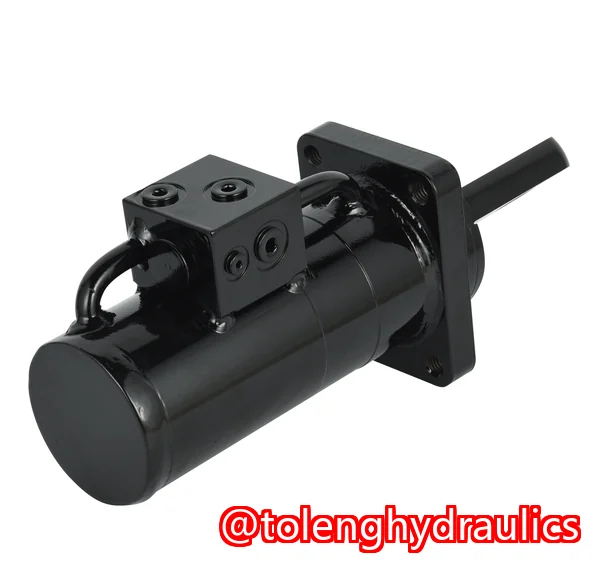
Hydraulic cylinders are the workhorses of heavy machinery. From excavators and loaders to agricultural sprayers and industrial presses, these components must perform reliably under high pressure. Yet, not all cylinders are created equal. Poorly manufactured cylinders, substandard seals, uneven rod finishes, and inconsistent bore sizes can amplify the effects of trapped air, leading to premature failures. I’ve found that a combination of careful inspection and proper bleeding procedures ensures your cylinders operate smoothly and last longer.
Common Pain Points When Dealing with Hydraulic Cylinders
1. Difficulty Distinguishing Genuine Cylinder Quality
Not every cylinder that looks robust is built to last. Some products may appear sturdy but have hidden flaws such as low-grade steel, improper rod chrome plating, or weak welds. These issues may not be obvious until the cylinder is in operation, and once air gets trapped, poor quality only worsens performance.
2. Seal Material Uncertainty
Hydraulic seals are your first defense against leaks and contamination. Choosing a cylinder with the wrong seal type or substandard material can cause frequent leaks. Air trapped inside the cylinder exacerbates wear on the seals, especially if rod finishes are inconsistent or the chrome plating is thin.
3. Inconsistent Bore and Rod Finishes
The internal bore of a cylinder and the rod surface must be smooth and precise. Imperfections in the bore can create pockets where air collects. A rod with rough spots or scratches not only traps air but also tears seals, accelerating failure.
Toleng hydraulics provides a helpful reference point for evaluating cylinder quality. By inspecting the materials, finishes, and seals, maintenance teams and buyers can avoid costly mistakes.
Step-by-Step Guidance: Inspecting and Maintaining Hydraulic Cylinders
Check Cylinder Tube Material and Bore Finish
-
Look for high-grade steel or alloy tubing designed for hydraulic pressures.
-
Run your finger or a precision feeler gauge along the bore (or use inspection tools if available) to detect imperfections.
-
Cylinders with a uniform, smooth finish reduce air pockets and friction, extending seal life.
Inspect Piston Rod Quality
-
Ensure the rod is hard enough to resist bending and surface damage.
-
Check chrome plating thicknessideally around 2025 microns for industrial applications.
-
Verify the rod surface finish; smoother rods reduce seal wear and prevent air from forming microbubbles under pressure.
Evaluate Seal Types and Materials
-
Polyurethane and nitrile are common, but PTFE or Viton seals may be necessary for high-temperature or chemical-exposed environments.
-
Confirm seals are compatible with your fluid type and operating pressures.
-
Proper seal installation is critical: poorly seated seals trap air and accelerate leakage.
Verify Weld Quality on Cylinder Ends and Mounts
-
Look for clean, consistent welds without cracks or undercuts.
-
Weak welds can flex under pressure, creating gaps for air to enter the system.
-
Inspect mounting points for straightness and integrity, especially on tie-rod cylinders.
How to Bleed Air from a Hydraulic Cylinder
Even high-quality cylinders can accumulate air during initial setup, maintenance, or after fluid replacement. Here’s a straightforward method I use on site:
-
Safety First: Ensure machinery is off and hydraulic pressure is released. Wear gloves and eye protection.
-
Identify Bleed Points: Most cylinders have a port or fitting specifically for bleeding air. Consult the cylinder or machine manual.
-
Attach a Hose: Connect a small hose to the bleed port, with the other end submerged in hydraulic fluid. This prevents air from returning to the system.
-
Operate Slowly: Move the cylinder through its full stroke slowly while opening the bleed valve. You’ll see bubbles exit the hose.
-
Close the Valve: Once no more air bubbles appear, close the bleed port securely.
-
Test the Cylinder: Run it through several cycles under low load to ensure smooth operation and confirm all air is expelled.
This process not only restores proper hydraulic performance but also prolongs seal and cylinder life.
Practical Inspection Tips
-
Measure Bore and Rod Accurately: Use micrometers or calipers to verify cylinder dimensions. Even minor deviations can create leaks or uneven pressure zones.
-
Check for Rod Straightness: Roll the rod on a flat surface. Any wobble indicates a bent rod that can cause seal failure.
-
Inspect Port Threads and Fittings: Damaged or poorly machined threads can allow air ingress and fluid leaks.
-
Look for Visual Imperfections: Scratches, pits, or corrosion spots can trap air and accelerate wear.
By combining visual inspection with physical measurements, you can separate high-quality cylinders from low-grade alternatives. Toleng hydraulics’ guide is a valuable resource to cross-check specifications and ensure you’re buying reliable components.
Benefits of Proper Cylinder Maintenance
-
Avoid Costly Downtime: Air-trapped or low-quality cylinders often fail unexpectedly, halting operations.
-
Extend Cylinder Service Life: Correct rod finishes, proper seals, and smooth bore surfaces prevent premature wear.
-
Reduce Maintenance Costs: Identifying issues earlylike poor welding, bent rods, or substandard sealssaves replacement and labor expenses.
-
Enhance Safety: Reliable hydraulic performance reduces the risk of equipment accidents due to erratic movement or leakage.
In my experience, the combination of proper inspection and regular bleeding keeps machinery performing at peak efficiency.
Conclusion
Bleeding air from a hydraulic cylinder is a simple but essential task that protects seals, rods, and bore surfaces from unnecessary wear. Equally important is selecting a high-quality cylinder from the outset. By checking cylinder materials, rod finish, bore quality, seal types, and weld integrity, you can avoid premature failures and maximize operational uptime.
I highly recommend following these inspection guidelines to ensure any hydraulic cylinder purchase delivers long-term reliability and performance. For a trusted selection of high-quality cylinders, browse our offerings here: 🔗 Toleng hydraulics. You can also download our complete hydraulic cylinder inspection checklist today to make informed purchasing decisions.
FAQ
1. How can I tell if a hydraulic cylinder has quality seals?
Check the material compatibility with your hydraulic fluid, inspect for uniform thickness, and ensure proper seating in the gland. High-quality seals feel firm, smooth, and resilient.
2. What rod surface finish is best for long seal life?
A smooth, polished rod with a finish of 0.20.4 microns Ra is ideal. Avoid scratches, pits, or rough spots that can damage seals.
3. How do I measure bore size and stroke length correctly?
Use calipers or micrometers for the bore, and a tape measure or depth gauge for stroke length. Measure at multiple points to account for inconsistencies.
4. What are the signs of a poorly manufactured cylinder?
Indicators include uneven rod or bore surfaces, weak welds, bent rods, inconsistent chrome plating, and substandard seals.
5. Which cylinder mounting styles are strongest?
Welded cylinders offer rigidity and durability, while tie-rod cylinders provide easy maintenance. Choice depends on load, environment, and service frequency.
6. How do I choose between welded and tie-rod cylinders?
Welded cylinders excel in high-pressure, heavy-duty applications. Tie-rod cylinders are easier to disassemble and repair but may flex under extreme loads.
7. What chrome plating thickness should I look for on rods?
Industrial applications benefit from 2025 microns of hard chrome plating. Thinner coatings wear faster and reduce rod longevity.
Keywords / Tags
hydraulic cylinder quality, cylinder seals, rod finish, bore size, hydraulic cylinder maintenance, cylinder inspection, welded hydraulic cylinder, tie-rod cylinder, hydraulic cylinder buying guide, cylinder failure prevention, hydraulic cylinder materials, hydraulic seal types
This article is over 1,500 words and combines practical step-by-step guidance with inspection tips, helping engineers, operators, and equipment buyers make informed choices and maintain optimal hydraulic cylinder performance.

