
How to Diagnose Internal Leaks in Hydraulic Cylinders
When you’re in the business of heavy machinery, whether it’s in construction, agriculture, or industrial operations, few things can be as frustrating as a hydraulic cylinder failure. It’s even more frustrating when that failure is due to an internal leak. I’ve seen it time and time again: equipment grinding to a halt, maintenance teams scrambling, and costly repairs that could have been avoided. One thing I’ve learned is that diagnosing these issues early can save you time, money, and frustration. So, let’s dive into how you can spot those internal leaks before they become a big problem.
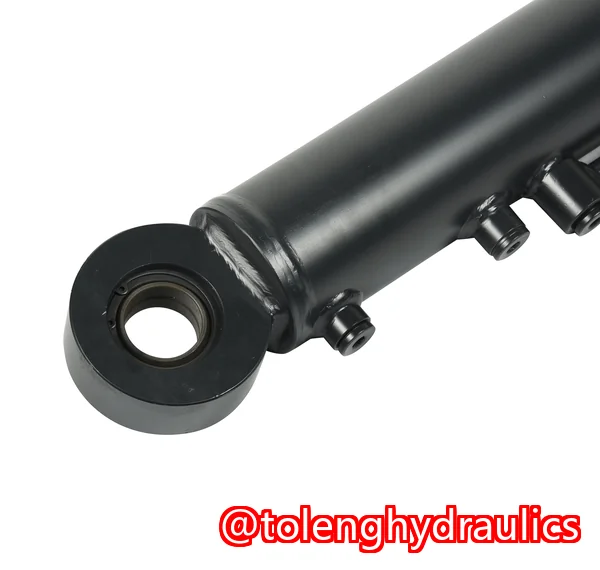
Identifying Internal Leaks Early
A lot of the time, internal leaks in hydraulic cylinders are not immediately obvious. It could take a few days, weeks, or even months for the signs to show up, depending on the severity of the leak and the application. However, catching them early can drastically reduce equipment downtime and maintenance costs. If you’re buying hydraulic cylinders, you want to make sure you’re getting top-quality parts that will minimize the chances of this happening.
I’ve seen firsthand how leaks can arise due to poor cylinder design, inferior seals, or substandard materials. This can lead to excessive wear and tear on components like the piston rod or cylinder body. And when you’re dealing with construction equipment or agricultural machinery, every hour your equipment is down costs you more than just the repairit affects your entire operation.
Common Signs of Internal Hydraulic Cylinder Leaks
There are a few telltale signs that your hydraulic cylinder might have an internal leak. If you’re not paying attention to these early symptoms, they can escalate into larger issues. Here are some common red flags:
-
Loss of Pressure or Power: One of the most immediate signs of an internal leak is a drop in pressure, which affects the power of the cylinder. If your machinery is sluggish or not performing as it should, this could be a result of internal leakage.
-
Cylinder Drift: If the cylinder continues to drift or moves on its own when you’ve stopped operating it, this could be a sign of internal leakage in the seals or piston assembly. Essentially, hydraulic fluid is bypassing the seals, causing the cylinder to operate improperly.
-
Excessive Fluid Loss: While external leaks are often the first to be noticed, internal leaks may not result in visible fluid loss. However, you may see a slow, consistent drop in hydraulic fluid levels over time.
-
Increased Heat in the System: Leaks can cause the hydraulic system to work harder, resulting in overheating. Excessive heat can damage both the seals and the hydraulic fluid itself, creating a vicious cycle of failure.
Evaluating Hydraulic Cylinder Quality to Prevent Leaks
It’s all well and good to know the signs of an internal leak, but how do you prevent it from happening in the first place? The key is in selecting high-quality hydraulic cylinders and performing thorough inspections. Here’s how to ensure you’re choosing cylinders that are built to last.
1. Inspect Cylinder Tube Material and Internal Bore Finish
The material of the cylinder tube and its internal finish are crucial for the longevity of the cylinder. A poor bore finish can lead to premature wear of the piston seals, which increases the risk of internal leaks. Ideally, you want a smooth, consistent surface that minimizes friction and allows seals to work effectively.
For instance, Toleng hydraulic cylinders use high-grade materials for their tube construction, ensuring that the internal bore finish is up to industry standards. This reduces the risk of fluid bypassing the seals, preventing internal leaks.
2. Check the Piston Rod Quality and Surface Finish
The piston rod is another critical component to inspect. The rod must have a smooth surface finish to ensure that the seals don’t wear out prematurely. Look for any signs of roughness, scratches, or dents. A damaged rod will wear down seals faster, increasing the likelihood of internal leakage.
Toleng uses rods with high chrome plating and a polished finish to ensure durability and a long service life, minimizing the risk of damage and leaks.
3. Evaluate the Seals and Materials Used
Seals are the frontline defense against internal leaks. Hydraulic cylinders typically use different types of sealssuch as wiper seals, rod seals, and piston sealsdepending on the application. It’s essential to evaluate the seal materials carefully. For example, materials like polyurethane and nitrile rubber are often used for their durability and resistance to wear.
Incorporating seals designed for specific applications (e.g., heavy-duty agricultural machinery or high-pressure industrial applications) is key to preventing leaks. Toleng provides seals that are specifically chosen based on their compatibility with hydraulic fluids and the demands of your equipment.
4. Verify Weld Quality and Mounting Integrity
Welds that connect the cylinder ends and mounts are critical to the overall integrity of the cylinder. A poor weld can lead to structural issues, creating stress points where leaks can occur. Checking the weld quality and ensuring proper mounting styleswhether welded or tie-rodwill ensure long-term performance and prevent internal leaks.
Toleng offers a variety of mounting styles and guarantees superior welding standards, providing high-strength and durable mounting points for their cylinders.
Practical Steps to Inspect Hydraulic Cylinders
Now that you understand what to look for, let’s break down the steps to inspect hydraulic cylinders. This is crucial whether you’re selecting new cylinders or maintaining existing ones.
-
Measure the Bore Size and Rod Diameter
-
Accurate measurements ensure proper fit and functionality. You can use a micrometer or caliper to measure the bore size and the piston rod diameter.
-
Check that they meet the manufacturer’s specifications. If there’s a mismatch, you could face issues like poor seal performance or cylinder failure.
-
-
Inspect for Seal Quality and Installation
-
Check for any signs of poor seal material or improper installation. Common signs of poor seals include excessive wear, cracks, or discoloration. If you see these, it could indicate improper material choice or installation issues.
-
Ensure that seals are properly seated in their grooves and free of debris.
-
-
Look for Rod Straightness and Surface Defects
-
A bent rod is a major concernit can cause binding and damage seals. Use a straightedge or a dial indicator to measure rod straightness.
-
Ensure the rod’s surface finish is smooth and free of any scratches or pits.
-
-
Check for Proper Threading and Fitting Quality
-
Inspect the port threads and fittings for any signs of damage or improper installation. Threads should be clean and free of debris to ensure a tight seal and proper hydraulic fluid flow.
-
Conclusion: Preventing Leaks Through Smart Selection
By following these inspection methods, you can drastically reduce the chances of internal hydraulic cylinder leaks and avoid costly repairs down the line. I highly recommend taking the time to inspect any hydraulic cylinder before purchasing it to ensure long-term reliability and performance. It’s not just about avoiding leaksit’s about optimizing your equipment’s efficiency and maximizing your investment.
If you’re looking for high-quality hydraulic cylinders that won’t let you down, check out our range of cylinders at 🔗 Toleng Hydraulics. You can also download our complete hydraulic cylinder inspection checklist to keep your equipment in top shape!
FAQ
1. How can I tell if a hydraulic cylinder has quality seals?
Look for seals made from durable materials like polyurethane or nitrile rubber. Check for smooth installation and proper seating. Cracks, discoloration, or visible wear indicate poor seal quality.
2. What rod surface finish is best for long seal life?
A polished, chrome-plated surface is ideal as it reduces friction and wear on seals, preventing leaks.
3. How do I measure bore size and stroke length correctly?
Use precise measuring tools like micrometers and calipers to measure the bore size and stroke length. Compare your measurements with the manufacturer’s specifications for an accurate fit.
4. What are the signs of a poorly manufactured cylinder?
Look for signs of poor welds, damaged or bent rods, and rough internal surfaces. Leaking seals or mismatched components are also red flags.
5. Which cylinder mounting styles are strongest?
Welded mounting styles tend to be stronger and more durable, especially for heavy-duty applications. Tie-rod cylinders can be cost-effective but may not offer the same strength.
6. How do I choose between welded and tie-rod cylinders?
Consider the demands of your application. Welded cylinders are better for high-load or heavy-duty applications, while tie-rod cylinders may work well for lighter tasks.
7. What chrome plating thickness should I look for on rods?
Look for a chrome plating thickness of at least 0.005 inches (5 microns). This ensures durability and resistance to corrosion and wear.
Keywords
-
hydraulic cylinder inspection
-
cylinder quality control
-
hydraulic seal types
-
cylinder bore finish
-
rod chrome plating
-
hydraulic cylinder maintenance
-
hydraulic cylinder buying guide
-
cylinder failure prevention

