
Hydraulic Cylinder for Dump Trucks Buyer’s Guide
When I first started working on heavy-duty dump trucks, I quickly learned a hard truth: not all hydraulic cylinders are created equal. One day, a cylinder leak brought an entire job site to a halt. Premature seal failures, rod damage, and misaligned bores can turn routine operations into costly headaches. For anyone managing dump trucks, construction equipment, or agricultural machinery, identifying high-quality hydraulic cylinders isn’t just a nice-to-haveit’s essential for keeping projects on track and budgets intact.
In this guide, I’ll walk you through what to look for when buying hydraulic cylinders, share practical inspection tips, and show how to spot red flags before making a purchase. With these insights, you can ensure that your cylinders deliver long-term performance and reliability.
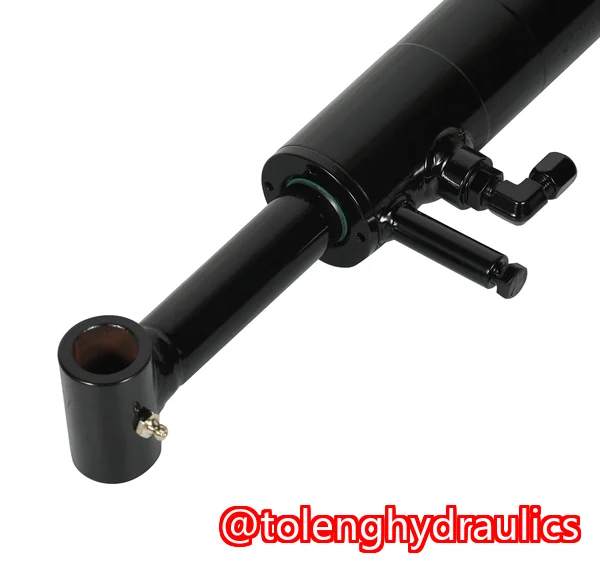
Common Pain Points When Evaluating Hydraulic Cylinders
Even experienced engineers and maintenance teams can struggle with evaluating hydraulic cylinder quality. Here are the most frequent challenges I’ve encountered:
1. Appearance vs. Performance:
It’s easy to be impressed by a cylinder that looks clean or polished. However, external finish doesn’t guarantee internal quality. A shiny rod with substandard plating can still cause rapid seal wear, leading to leaks and downtime.
2. Seal Material Confusion:
Hydraulic cylinders rely heavily on seals to prevent fluid leaks and maintain pressure. Choosing the wrong seal material or design can drastically shorten a cylinder’s life, especially in harsh environments like construction sites or agricultural fields.
3. Bore and Rod Inconsistencies:
Even minor deviations in bore diameter or rod surface finish can create friction, uneven wear, and premature failure. Cylinders that aren’t inspected for these tolerances often underperform, costing time and money in maintenance.
Recognizing these pain points is the first step toward making smarter purchasing decisions.
Step-by-Step Inspection: How to Verify Hydraulic Cylinder Quality
When sourcing hydraulic cylinders, I rely on a methodical inspection approach. Toleng hydraulics has been a great reference for understanding what makes a cylinder reliable. Here’s how I inspect each critical component:
Check the Cylinder Tube Material and Bore Finish:
-
Look for high-quality steel tubing with proper wall thickness. Inferior tubing can warp or corrode.
-
Inspect the internal bore finish. A smooth, honed surface ensures minimal friction, prevents scoring on the piston rod, and extends seal life.
Inspect the Piston Rod:
-
Confirm rod hardness using manufacturer specifications. Hard rods resist wear better over time.
-
Check chrome plating thickness and uniformity. A thin or uneven coating can wear quickly, causing leaks.
-
Examine surface finish: rods should be polished without scratches or dents. Even small defects can compromise seals.
Evaluate Seal Types and Materials:
-
Identify seal material (e.g., polyurethane, nitrile, or fluorocarbon) and ensure it matches your application. Heavy-duty environments often require high-resistance materials.
-
Check for proper seal installation. Misaligned or damaged seals are a common cause of early cylinder failure.
Verify Weld Quality on Cylinder Ends and Mounts:
-
Examine welds for cracks, porosity, or inconsistent bead patterns. Poor welds can compromise structural integrity.
-
Ensure cylinder mounts are properly reinforced and aligned. Misaligned mounts lead to rod bending and accelerated wear.
Practical Inspection Tips:
-
Measure bore size and rod diameter with calipers or micrometers to ensure they match specifications.
-
Roll the rod on a flat surface to check straightness. Any deviation can indicate manufacturing defects.
-
Inspect port threads and fittings for damage or poor workmanship. Leaks often originate at these connection points.
-
Observe cylinder stroke for smooth operation without binding. Jerky movement can signal internal misalignment.
Benefits of Proper Inspection
I’ve seen firsthand how following these inspection steps can save time and money:
-
Prevent Costly Downtime: Detecting substandard cylinders before installation avoids emergency repairs that can halt work for days.
-
Extend Cylinder Service Life: Choosing cylinders with the right rod finish, seal material, and bore quality ensures longer operational life.
-
Reduce Maintenance Costs: Spotting issues early means fewer replacements and less frequent maintenance interventions.
One example I recall involved a dump truck fleet where repeated rod and seal failures had slowed operations. After implementing a thorough inspection checklist and selecting high-quality Toleng hydraulic cylinders, the fleet experienced nearly zero cylinder failures for over two years.
Practical Tips for Selecting the Right Cylinder
Here are some hands-on tips I’ve found invaluable when evaluating hydraulic cylinders:
-
Measure Precisely: Always use calibrated tools to measure bore and rod diameters. Even a 0.1mm discrepancy can impact seal performance.
-
Check Rod Surface: Look closely for scratches, pits, or uneven chrome plating. Imperfections lead to leaks.
-
Verify Seal Quality: Press lightly on seals to check elasticity. Stiff or brittle seals are signs of aging or poor material.
-
Inspect Cylinder Mounts: Ensure pin holes and mounting surfaces are reinforced and properly aligned. Misalignment accelerates rod wear.
-
Test Stroke Smoothness: Move the piston through its full stroke. Resistance, binding, or unusual noises are red flags.
By making these checks a standard part of your procurement process, you can feel confident in your cylinder selections.
Real-World Applications
High-quality hydraulic cylinders are essential across industries:
-
Construction Equipment: Dump trucks, excavators, and loaders rely on cylinders to lift heavy loads safely.
-
Agricultural Machinery: Cylinders on harvesters, tractors, and spreaders must handle repeated cycles and harsh outdoor conditions.
-
Industrial Automation: Manufacturing presses and robotic arms require precision cylinders with long-term reliability.
-
Mobile Hydraulics & Material Handling: Any vehicle or crane with hydraulic lifting mechanisms benefits from robust cylinders that resist wear and corrosion.
For each application, choosing the correct seal, rod finish, and bore quality is critical to maximizing uptime.
Conclusion
Selecting the right hydraulic cylinder doesn’t have to be a guessing game. By inspecting bore finishes, rod hardness and plating, seal material, and weld quality, you can confidently choose cylinders built to last. I highly recommend following these inspection guidelines to ensure any hydraulic cylinder purchase delivers long-term reliability and performance.
Browse our selection of high-quality hydraulic cylinders: 🔗 https://tolenghydraulics.com/contact/
Download our complete hydraulic cylinder inspection checklist today to make informed, risk-free purchasing decisions.
FAQs
1. How can I tell if a hydraulic cylinder has quality seals?
Look for seals made from durable materials like polyurethane or fluorocarbon, check for proper installation, and test elasticity. High-quality seals are smooth, flexible, and free from cracks.
2. What rod surface finish is best for long seal life?
Polished rods with uniform chrome plating and a mirror-like finish reduce friction and extend seal life. Avoid rods with scratches, pits, or uneven coating.
3. How do I measure bore size and stroke length correctly?
Use calibrated calipers or micrometers for bore diameter. Stroke length is measured from rod fully retracted to fully extended. Accurate measurement ensures compatibility and prevents leaks.
4. What are the signs of a poorly manufactured cylinder?
Indicators include uneven welds, bent rods, rough bore finishes, inconsistent chrome plating, and stiff or misaligned pistons.
5. Which cylinder mounting styles are strongest?
Welded cylinders generally provide higher structural integrity, while tie-rod cylinders are easier to service. Choose based on load requirements and maintenance preferences.
6. How do I choose between welded and tie-rod cylinders?
Welded cylinders are ideal for heavy-duty, high-pressure applications. Tie-rod cylinders offer easier maintenance and are suitable for moderate-duty applications.
7. What chrome plating thickness should I look for on rods?
Rods should have at least 0.0150.03 mm of uniform chrome plating for heavy-duty applications. Thinner plating wears quickly and reduces cylinder lifespan.
Tags/Keywords:
hydraulic cylinder quality, cylinder seals, rod finish, bore size, hydraulic cylinder maintenance, cylinder inspection, welded hydraulic cylinder, tie-rod cylinder, hydraulic cylinder buying guide, cylinder failure prevention, hydraulic cylinder materials, hydraulic cylinder inspection
This guide ensures that whether you’re a maintenance engineer, procurement specialist, or construction manager, you can confidently select hydraulic cylinders that perform reliably under demanding conditions.

