
Hydraulic Cylinder Oil Hydraulic Fluid vs Pneumatic Oil: Key Differences and What You Need to Know
When working with heavy machinery, one of the most common and critical systems you’ll encounter is the hydraulic system. Hydraulic cylinders are at the heart of these systems, ensuring smooth movement, powerful lifting, and precise control. However, an often-overlooked aspect of these cylinders is the type of fluid they use. While hydraulic oil and pneumatic oil might sound similar, they serve very different purposes, and choosing the right one can significantly impact your equipment’s performance and longevity.
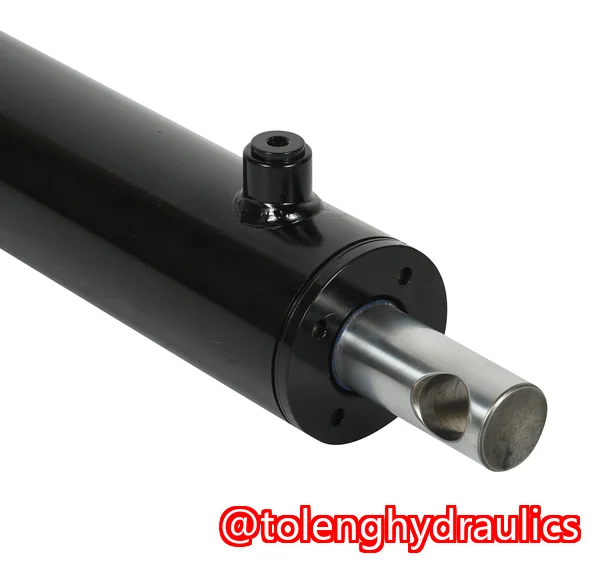
In this article, we’ll dive into the world of hydraulic fluid vs pneumatic oil, the differences between them, and why selecting the correct one for your hydraulic cylinders is crucial for avoiding premature failures, downtime, and costly repairs.
The Basics: Hydraulic Fluid vs Pneumatic Oil
Hydraulic fluid and pneumatic oil are both essential to the functioning of machinery, but they have different characteristics, applications, and purposes. Understanding their differences will help you make informed decisions when selecting the right oil for your hydraulic cylinders.
Hydraulic Fluid: Designed for High-Pressure Systems
Hydraulic fluid is the lifeblood of hydraulic systems. It’s a specialized oil used to transmit power within hydraulic machinery, such as construction equipment, agricultural machines, and industrial automation systems. Hydraulic systems typically operate under high pressure, and the fluid used must have specific properties to handle this pressure without breaking down.
Key properties of hydraulic fluid include:
-
Viscosity: Hydraulic fluids have a higher viscosity, which helps maintain the pressure needed to perform heavy-duty tasks. The viscosity ensures that the fluid flows easily while maintaining its thickness to ensure consistent performance in high-pressure environments.
-
Additives: Many hydraulic fluids contain additives designed to protect the system from corrosion, wear, and oxidation. They may also include anti-foaming agents to prevent air bubbles from forming within the system, which could cause damage.
-
Lubrication: The fluid also acts as a lubricant, reducing friction between the moving parts in the hydraulic system, such as pistons and cylinders, to minimize wear and tear.
Pneumatic Oil: A Different Role for Lower Pressure Systems
Pneumatic oil, on the other hand, is used in air-powered systems. These systems rely on compressed air to operate, and the oil used in pneumatic systems is typically lighter and less viscous than hydraulic fluid. The primary function of pneumatic oil is to lubricate moving parts within air-driven machinery and tools, such as compressors, air tools, and pneumatic actuators.
Key characteristics of pneumatic oil:
-
Lower Viscosity: Pneumatic oil has a lower viscosity, allowing it to flow more easily and reduce the amount of friction in air-powered systems. It is also formulated to handle lower pressures than hydraulic fluid.
-
Anti-Wear Properties: While not as robust as hydraulic fluid, pneumatic oil still contains additives to help protect against wear and corrosion within air-driven systems. It’s not intended to withstand high-pressure scenarios like hydraulic fluid, making it unsuitable for use in hydraulic cylinders.
-
Lubrication: Similar to hydraulic fluid, pneumatic oil provides lubrication for components to ensure smooth operation and reduce wear.
Common Problems When Using the Wrong Fluid in Hydraulic Cylinders
Using the wrong type of fluid in your hydraulic cylinders can lead to severe consequences. Some common issues include:
1. Premature Seal Failure
Hydraulic cylinders rely on seals to prevent leaks and maintain system pressure. Using pneumatic oil instead of hydraulic fluid can cause seals to degrade prematurely. Pneumatic oil doesn’t have the same lubrication properties as hydraulic fluid, leading to increased friction and wear on seals.
2. Reduced Efficiency and Power Loss
Hydraulic cylinders are designed to work with high-pressure systems, and hydraulic fluid is essential for transmitting that power. If you use pneumatic oil, which has lower viscosity, the system may not generate the same pressure, reducing efficiency and causing power loss.
3. Increased Wear on Cylinder Components
Without proper lubrication, parts like the piston rod, cylinder tube, and seals are more likely to experience excessive wear. Hydraulic fluid is specifically designed to reduce friction and protect these components, while pneumatic oil may not provide the same level of protection.
4. Risk of Contamination
Pneumatic oil may not be as clean as hydraulic fluid, and using the wrong oil in your hydraulic cylinders could introduce contaminants that harm the system’s integrity. Hydraulic fluid is typically more refined and filtered to prevent the buildup of debris that could damage the cylinder components.
How to Choose the Right Fluid for Your Hydraulic Cylinders
Choosing the right hydraulic fluid is vital for ensuring the longevity and performance of your machinery. Here are some key factors to consider:
1. Check the Manufacturer’s Specifications
Always refer to the equipment manufacturer’s guidelines for fluid recommendations. The manufacturer will specify the type of fluid that’s optimal for your hydraulic system, taking into account factors like pressure levels, temperature, and operating conditions.
2. Viscosity and Temperature Range
Ensure that the fluid you choose is designed for the temperature range your system operates in. Hydraulic fluid is formulated to withstand higher temperatures and maintain its viscosity, which is critical for high-pressure systems.
3. Seal Compatibility
Different fluids interact with seals in various ways. Be sure to select a hydraulic fluid that is compatible with the seals used in your hydraulic cylinders. Poor compatibility can lead to leaks and premature seal failure.
4. Additives for Protection
Hydraulic fluids often come with additives that protect the system from corrosion, oxidation, and wear. When choosing a fluid, consider the additives that are necessary for your equipment’s longevity and the operating environment.
5. Avoid Using Pneumatic Oil
It might be tempting to use pneumatic oil in a pinch, but it’s not suitable for hydraulic systems. Pneumatic oil lacks the necessary properties to withstand high pressure and provide the level of lubrication needed in hydraulic cylinders.
Inspection Tips for Hydraulic Cylinder Quality
Now that you understand the difference between hydraulic fluid and pneumatic oil, let’s take a look at how to evaluate the quality of hydraulic cylinders to prevent failure:
-
Inspect the Cylinder Tube Material and Bore Finish
-
The material of the cylinder tube is critical. Look for steel or other high-strength materials that are resistant to wear and corrosion. The bore finish should be smooth and free of defects to ensure proper sealing and reduce friction.
-
-
Check the Piston Rod Hardness and Surface Finish
-
The piston rod should be hard enough to resist wear but not too brittle to break under stress. Inspect the rod for signs of scoring, pitting, or corrosion. The surface should also be smooth to prevent seal damage.
-
-
Evaluate the Seal Materials
-
Seals play a crucial role in preventing fluid leaks and maintaining pressure within the cylinder. Look for seals made from durable materials that can handle the pressures and temperatures of the specific hydraulic system.
-
-
Verify Weld Quality on Cylinder Ends and Mounts
-
The welding on cylinder ends and mounts should be smooth, clean, and free of cracks. Poor welding can weaken the structure and lead to failure under pressure.
-
-
Inspect for Straightness and Defects
-
Ensure that the piston rod is straight. Bent rods can cause uneven wear on seals and increase the risk of failure.
-
Conclusion: Proper Fluid Selection is Key to Longevity and Efficiency
Choosing the right hydraulic fluid is essential for maintaining the health and efficiency of your hydraulic cylinders. Hydraulic fluid is designed to handle high-pressure systems, whereas pneumatic oil is intended for air-driven systems. Using the wrong fluid can result in seal failure, power loss, increased wear, and more. Always follow the manufacturer’s guidelines and inspect your hydraulic cylinders regularly to ensure that they are operating at peak performance.
I highly recommend following these inspection guidelines to ensure that any hydraulic cylinder purchase delivers long-term reliability and performance. By making informed decisions about fluid selection and cylinder quality, you can avoid costly repairs and maximize the uptime of your equipment.
Browse our selection of high-quality hydraulic cylinders: 🔗 Toleng Hydraulics.
Download our complete hydraulic cylinder inspection checklist today!
Frequently Asked Questions (FAQs)
1. How can I tell if a hydraulic cylinder has quality seals?
-
Quality seals are typically made from durable materials like Viton or polyurethane. Look for seals that are smooth, properly fitted, and free from cracks or signs of wear.
2. What rod surface finish is best for long seal life?
-
A smooth, polished surface finish is ideal for reducing wear on seals. Chrome plating with a fine finish is commonly used to protect the piston rod.
3. How do I measure bore size and stroke length correctly?
-
Use precise measuring tools like micrometers or calipers to measure the inner diameter of the bore and the stroke length of the cylinder. These measurements ensure proper fit and function.
4. What are the signs of a poorly manufactured cylinder?
-
Look for visible defects such as rough welds, inconsistencies in the bore finish, and poor sealing performance. A cylinder with these issues is more prone to failure.
5. Which cylinder mounting styles are strongest?
-
Welded cylinders tend to be stronger and more durable than tie-rod cylinders, particularly in high-pressure applications.
6. How do I choose between welded and tie-rod cylinders?
-
Welded cylinders are more durable and are often used in high-pressure applications, while tie-rod cylinders are easier to repair and maintain.
7. What chrome plating thickness should I look for on rods?
-
Look for chrome plating that is at least 20 microns thick for optimal protection against corrosion and wear.
Tags or Keywords:
-
hydraulic cylinder quality, cylinder seals, rod finish, bore size, hydraulic cylinder maintenance, cylinder inspection, welded hydraulic cylinder, tie-rod cylinder, hydraulic cylinder buying guide, cylinder failure prevention, hydraulic cylinder materials

