
Hydraulic Cylinder Port Sizes NPT vs SAE Explained
When purchasing hydraulic cylinders for heavy equipment, I’ve learned that not all cylinders are built to last. Premature seal failure, rod damage, and leaks can bring operations to a halt, costing time, money, and efficiency. As hydraulic systems are crucial for heavy-duty tasks like construction and agriculture, selecting the right cylinder can make all the difference. One of the factors that often gets overlooked, but can significantly impact system performance, is the port size. Specifically, the choice between NPT (National Pipe Thread) and SAE (Society of Automotive Engineers) threads. Let’s dive into the differences between NPT and SAE, and why getting this choice right matters for hydraulic cylinder performance.
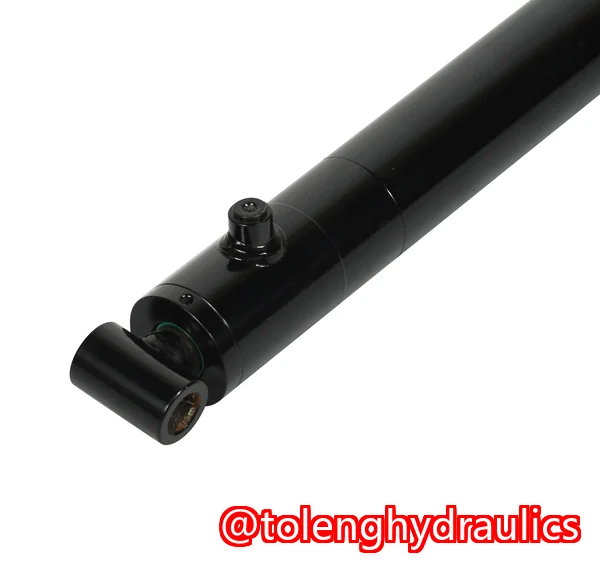
What’s the Difference Between NPT and SAE Hydraulic Ports?
Hydraulic cylinders are essential for a wide variety of applications in construction, industrial, and agricultural settings. But when selecting a hydraulic cylinder, one key detail that tends to confuse many buyers is the choice between NPT and SAE thread sizes. At first glance, they might seem similar, but the differences can affect the performance, durability, and even the safety of your system.
-
NPT (National Pipe Thread): NPT threads are commonly used in a wide range of applications, particularly in systems that require a leak-tight seal under pressure. The threads are tapered, meaning they get tighter as they are screwed into the fitting. This taper ensures that a secure seal is formed as the threads meet. However, the taper can sometimes cause issues if the fitting isn’t threaded correctly, potentially leading to leaks or poor performance under high-pressure conditions.
-
SAE (Society of Automotive Engineers): SAE threads, on the other hand, are straight (parallel) threads designed for hydraulic systems. These threads offer a stronger connection because they rely on the sealing mechanism of an O-ring and not just the threading. The main advantage of SAE threads is that they don’t depend on the tightness of the threads to make a seal. Instead, they provide a more consistent, robust seal, especially in high-pressure applications.
While both NPT and SAE are effective in specific settings, the choice between them comes down to the nature of the work your hydraulic system will perform.
Why Does Port Size Matter?
The port size of a hydraulic cylinder dictates how well it will connect to the rest of the hydraulic system. If the threads don’t match, or if there’s an incompatibility between NPT and SAE fittings, it can lead to significant issues, such as leaks, pressure drops, and equipment downtime.
Choosing the right port size isn’t just about ensuring the threads fit. It also impacts the overall performance of your hydraulic system. A proper seal, especially under high pressure, is essential for maintaining performance and preventing failure. By selecting the appropriate port size for your hydraulic cylinder, you can ensure that the system operates smoothly and that costly maintenance issues are minimized.
Common Problems in Hydraulic Cylinder Selection and How to Avoid Them
Choosing a hydraulic cylinder may seem straightforward, but it’s easy to overlook key elements that can lead to failures or unnecessary maintenance costs. Here are a few common pain points when evaluating hydraulic cylinders:
-
Difficulty Distinguishing Quality:
Many buyers focus on the appearance of the cylinder alone and overlook important factors like material quality, sealing mechanisms, or rod finish. A shiny exterior may look appealing, but it doesn’t guarantee that the cylinder is built to withstand long-term wear and tear.
Solution: Inspect materials, seals, and finish. For example, check for high-quality chrome plating on the rod, and verify that the bore finish is smooth to reduce friction and wear.
-
Uncertainty About Seal Materials and Rod Surface Finishes:
The type of seal used in a hydraulic cylinder is crucial to its longevity and effectiveness. Poor-quality seals can lead to leaks, while inadequate rod finishes can cause premature wear.
Solution: Ensure the seal material is compatible with the intended environment (e.g., high heat or exposure to chemicals). Look for a smooth, well-finished rod with thick chrome plating to minimize wear.
-
Inconsistent Bore Finishes Causing Premature Wear:
Cylinders with rough or uneven bores can cause friction, leading to premature wear and failure. This can severely impact your machine’s performance, resulting in downtime and increased maintenance costs.
Solution: Inspect the bore finish carefully. The bore should be smooth and uniform. Check with the manufacturer to ensure the cylinder is finished to the required tolerances.
How to Inspect Hydraulic Cylinders for Quality
Whether you’re inspecting a hydraulic cylinder before purchasing or checking one during regular maintenance, there are a few critical areas to focus on to ensure you’re getting the highest-quality product.
-
Cylinder Tube Material and Bore Finish: Inspect the cylinder tube material for any signs of defects, cracks, or corrosion. The bore finish should be smooth, free from scoring or pitting. Use a bore gauge to verify that the bore is within specification.
-
Piston Rod Quality: Check the piston rod for straightness and surface defects. A high-quality rod should be straight, with a smooth surface that is free from any scratches or cracks. Also, check the chrome plating thickness to ensure it’s appropriate for your application.
-
Seal Types and Materials: Different applications may require different seal materials, so it’s crucial to choose the right ones. For example, seals made from high-temperature-resistant materials are needed for cylinders used in hot environments. Always verify that the seals are correctly installed and look for any signs of damage or wear.
-
Weld Quality on Cylinder Ends: Poorly welded cylinder ends can lead to leakage or other failures. Inspect the welds for any signs of improper welding, such as cracks, porosity, or unevenness.
By taking the time to inspect these areas, you can identify quality issues before they lead to problems, saving you from costly repairs and downtime.
Benefits of Proper Hydraulic Cylinder Inspection
-
Avoid Costly Downtime: Prevent unexpected failures by identifying and addressing potential issues before they disrupt your operations.
-
Maximize Cylinder Service Life: Regular inspection can extend the life of your hydraulic cylinders by ensuring they are built with quality materials and proper finishes.
-
Reduce Maintenance Costs: Identifying quality problems before purchasing can save you from the cost of repairs or replacement parts down the line.
Step-by-Step Guidance for Inspecting Hydraulic Cylinders
-
Measure Bore Size and Rod Diameter: Use a micrometer to accurately measure the bore size and rod diameter. These measurements should match the cylinder’s specifications.
-
Check for Seal Quality: Inspect the seals for cracks, wear, or improper installation. If you notice any damage, replace them promptly to avoid leaks.
-
Look for Rod Straightness and Surface Defects: Use a precision straightedge or caliper to check for rod straightness. Any deviation from straightness can cause improper operation and premature wear.
-
Inspect Port Threads: Ensure that the port threads are clean and free from damage. Damaged threads can lead to poor sealing and leaks.
By following these steps, you’ll ensure that your hydraulic cylinders are in top condition, reducing the risk of failure and maximizing the efficiency of your hydraulic systems.
Conclusion: Ensuring Long-Term Hydraulic Cylinder Reliability
When it comes to hydraulic cylinders, paying attention to small details can make a huge difference in performance and longevity. I highly recommend following these inspection guidelines to ensure any hydraulic cylinder purchase delivers long-term reliability and performance. By inspecting the material quality, seals, rod finishes, and bore size, you’ll avoid costly failures and ensure smooth operation.
Ready to make the right choice for your equipment? Browse our selection of high-quality hydraulic cylinders at 🔗 Toleng Hydraulics today, or download our complete hydraulic cylinder inspection checklist to guide you through every purchase.
Frequently Asked Questions (FAQ)
1. How can I tell if a hydraulic cylinder has quality seals?
Quality seals are smooth, free from cracks, and properly installed. Inspect the material and check for compatibility with your system’s temperature and pressure conditions.
2. What rod surface finish is best for long seal life?
A smooth, highly polished chrome-plated rod surface is ideal for preventing damage to seals and reducing wear.
3. How do I measure bore size and stroke length correctly?
Use a micrometer to measure the bore size accurately, and verify the stroke length by measuring the travel distance of the piston.
4. What are the signs of a poorly manufactured cylinder?
Look for signs like rough bore finishes, inconsistent welds, crooked rods, and damaged threads. These can lead to performance issues or premature failure.
5. Which cylinder mounting styles are strongest?
Welded mounting styles are typically stronger and more durable, as they provide a more rigid connection.
6. How do I choose between welded and tie-rod cylinders?
Welded cylinders offer better performance in high-pressure applications, while tie-rod cylinders are easier to disassemble and maintain.
7. What chrome plating thickness should I look for on rods?
Typically, the chrome plating should be at least 0.0025 inches (0.0635mm) thick for most applications, although higher thickness may be required for high-load or high-wear environments.
Tags/Keywords
-
hydraulic cylinder quality
-
cylinder seals
-
rod finish
-
bore size
-
hydraulic cylinder maintenance
-
cylinder inspection
-
welded hydraulic cylinder
-
tie-rod cylinder
-
hydraulic cylinder buying guide
-
cylinder failure prevention
-
hydraulic cylinder materials

