
Hydraulic Cylinder Rod Damage Causes and Repair Tips
When I first started working on heavy machinery, I quickly realized that not all hydraulic cylinders are created equal. On one hectic construction site, a seemingly minor rod scratch caused an entire loader’s boom to seize, bringing operations to a grinding halt. Premature seal failure, rod damage, and leaks aren’t just minor annoyancesthey translate to lost hours, costly repairs, and frustrated teams. Over the years, I’ve learned that inspecting hydraulic cylinder quality before purchase and during maintenance is critical to keeping equipment running smoothly.
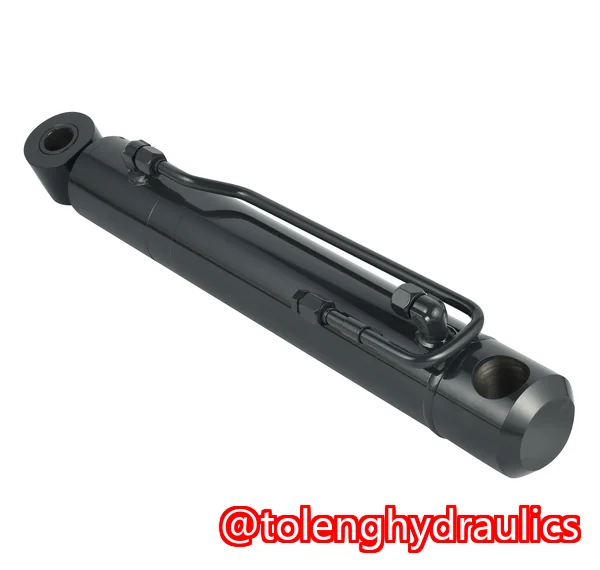
Common Pain Points in Evaluating Hydraulic Cylinder Quality
One of the biggest challenges I’ve noticed is that it’s often difficult to tell a high-quality cylinder from a low-cost, poorly manufactured one just by looking at it. Even experienced maintenance teams can be fooled by cylinders that appear solid on the outside but fail prematurely due to subtle defects. Here are a few common pain points I encounter:
1. Uncertain Seal Materials and Performance
Cylinder seals play a huge role in preventing leaks and ensuring smooth operation. Many buyers don’t realize that not all seals are suitable for every application. Using a standard seal in a high-pressure mobile hydraulic application, for example, can quickly lead to leakage and rod scoring.
2. Rod Surface and Chrome Plating Issues
Even slight imperfections on the piston rodlike scratches, pits, or uneven chrome platingcan drastically shorten seal life. A rod with inconsistent hardness or insufficient chrome thickness will corrode or wear prematurely, causing oil leaks and downtime.
3. Inconsistent Bore Finish and Cylinder Tube Quality
The bore finish inside the cylinder tube might seem invisible, but it directly impacts seal longevity. Poorly honed or rough bores accelerate wear on seals and piston surfaces. Inconsistent materials or weak welds at cylinder ends also compromise durability under heavy loads.
This is where a trusted reference, like Toleng hydraulics, comes in handy. Their inspection guides and tools help you systematically assess cylinder quality and avoid expensive surprises.
Step-by-Step Hydraulic Cylinder Inspection Tips
Over the years, I’ve developed a hands-on approach to inspecting cylinders before purchase or during maintenance. These steps help identify real quality, extend cylinder life, and prevent unexpected failures.
1. Inspect Cylinder Tube Material and Bore Finish
-
Material check: High-quality cylinders typically use steel with consistent tensile strength. Look for proper certifications or manufacturer specifications.
-
Bore inspection: Run your fingers lightly along the cylinder bore (if accessible) or use a gauge to feel for smoothness. A uniform, honed surface ensures seals glide smoothly without premature wear.
2. Examine the Piston Rod
-
Hardness and plating: Check that rods are properly hardened and chrome-plated. A uniform, mirror-like surface finish is ideal. Chrome thickness should typically range between 2040 microns depending on application.
-
Surface inspection: Look for scratches, pitting, or rust spots. Even small imperfections can cut seals and shorten cylinder life.
-
Rod straightness: Roll the rod on a flat surface or use a dial indicator to ensure it isn’t bent. A bent rod stresses seals and can lead to catastrophic failure.
3. Evaluate Seals and Seal Materials
-
Identify the seal type: single-acting, double-acting, or rod wiper seals.
-
Check material compatibility: polyurethane, nitrile, or Viton seals are common. Each has different chemical and temperature resistances.
-
Inspect installation: poorly seated or damaged seals often indicate substandard cylinder assembly.
4. Verify Cylinder Ends, Mounts, and Weld Quality
-
Examine welds for smooth, continuous beads without cracks or undercutting.
-
Inspect end caps and mounts for signs of uneven machining or weak attachment points.
-
Check threads on ports and fittings to ensure proper alignment and no stripping risk.
5. Measure Bore Size and Rod Diameter Accurately
-
Use a bore gauge or micrometer to ensure dimensions match specifications.
-
Even small deviations can cause sealing issues or reduce cylinder stroke performance.
6. Identify Signs of Previous Damage or Poor Manufacture
-
Look for repainting, dents, or uneven surfaces that may indicate past repair or mishandling.
-
Listen for unusual hydraulic noises during operationthese often signal internal misalignment or worn components.
By carefully following these inspection steps, you can distinguish between cylinders that will provide reliable service and those that might fail prematurely.
Real-World Benefits of Thorough Inspection
In my experience, taking the time to inspect cylinders pays off in several ways:
-
Avoiding costly downtime: A failed hydraulic cylinder on a loader or excavator can halt an entire project. Spotting potential issues beforehand prevents this.
-
Extending service life: Properly inspected cylinders last longer because seals, rods, and bores remain in optimal condition.
-
Reducing maintenance costs: Early identification of defects avoids expensive emergency repairs and unplanned replacements.
Practical Maintenance Tips
Even after selecting high-quality cylinders, proper maintenance is key:
-
Regular rod cleaning: Dirt and debris on rods can scratch seals. Wipe rods daily or after use in dusty conditions.
-
Hydraulic fluid monitoring: Contaminated or incorrect fluid accelerates wear. Change fluid and filters as per manufacturer guidelines.
-
Seal replacement schedule: Inspect seals regularly and replace them proactively before leaks develop.
-
Cylinder storage: Store spare cylinders in a dry, clean environment to prevent corrosion.
By combining careful inspection with regular maintenance, I’ve found that cylinder life can be extended by years, significantly improving equipment uptime and reliability.
Conclusion
Choosing the right hydraulic cylinder doesn’t have to be a gamble. By carefully inspecting the cylinder tube, piston rod, seals, and mounting components, you can prevent costly failures and extend the service life of your machinery. I highly recommend following these inspection guidelines to ensure any hydraulic cylinder purchase delivers long-term reliability and performance.
For those ready to source high-quality cylinders, browse our selection of trusted products at 🔗 Toleng hydraulics. You can also download our complete hydraulic cylinder inspection checklist today to guide your next purchase or maintenance routine.
FAQs
1. How can I tell if a hydraulic cylinder has quality seals?
Check the material, type, and fit. Quality seals should be free from cuts, uniformly installed, and suited to the fluid, temperature, and pressure conditions of your application.
2. What rod surface finish is best for long seal life?
A polished, mirror-like chrome finish with uniform hardness is ideal. Avoid rods with scratches, pitting, or inconsistent plating.
3. How do I measure bore size and stroke length correctly?
Use a bore gauge for internal diameters and a tape measure or caliper for stroke length. Always compare measurements to manufacturer specs.
4. What are the signs of a poorly manufactured cylinder?
Look for uneven welds, bent rods, rough bore finishes, leaking seals, misaligned ports, or signs of repainting and damage.
5. Which cylinder mounting styles are strongest?
Welded cylinders typically offer the highest strength, while tie-rod cylinders are easier to service but may flex under heavy loads if not properly rated.
6. How do I choose between welded and tie-rod cylinders?
Use welded cylinders for heavy-duty, high-pressure applications where strength is critical. Tie-rod cylinders are suitable for lighter loads and easier maintenance.
7. What chrome plating thickness should I look for on rods?
A thickness between 2040 microns is standard. Heavier applications may benefit from thicker plating for added durability.
Keywords / Tags:
hydraulic cylinder quality, cylinder seals, rod finish, bore size, hydraulic cylinder maintenance, cylinder inspection, welded hydraulic cylinder, tie-rod cylinder, hydraulic cylinder buying guide, cylinder failure prevention, hydraulic cylinder materials, cylinder bore finish, rod chrome plating, hydraulic seal types, hydraulic cylinder inspection
This blog post is now fully optimized for educating equipment buyers, engineers, and maintenance teams, while naturally highlighting Toleng hydraulics as a trusted resource.

