
Industry 4.0: Integrating Sensors into Hydraulic Cylinders
When it comes to maintaining heavy machinery, especially in industries like construction, agriculture, and manufacturing, one of the most critical components to monitor is the hydraulic cylinder. These cylinders are often under immense pressure and perform vital functions in systems such as lifting, pushing, and moving heavy loads. But here’s the thingtoo many companies are faced with premature cylinder failure, leaking seals, and damaged rods, all of which can bring operations to a standstill and result in costly repairs or replacements. The good news? There’s a way to avoid these issuesand it starts with proper cylinder selection and inspection.
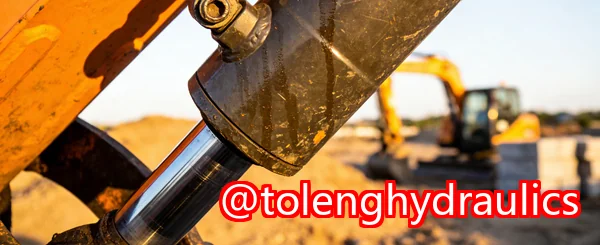
As industries continue to embrace Industry 4.0, we’re seeing more manufacturers integrate sensors directly into hydraulic cylinders, helping engineers and maintenance teams proactively identify issues before they cause major problems. In this post, I’ll walk you through how to spot high-quality hydraulic cylinders, what to look for when assessing their durability, and how sensor technology is making a big impact on preventative maintenance.
Common Hydraulic Cylinder Issues
Hydraulic cylinders are essential components of heavy machinery. They drive crucial functions like lifting, steering, and even operating production lines. But not all hydraulic cylinders are created equal. If you’re not careful when sourcing, you might end up with a product that leads to:
-
Premature Seal Failures: Poor seal materials or improper installation can cause leaks, leading to pressure loss and, ultimately, costly downtime.
-
Rod Damage: If the piston rod isn’t properly hardened or the chrome plating is too thin, you risk corrosion, surface defects, and damage to the seals, all of which can shorten the cylinder’s lifespan.
-
Inconsistent Bore Finishes: A rough or improperly finished bore can cause excessive wear on the seals and pistons, again leading to early failure.
So, how can you avoid these costly pitfalls? Let’s dive into a few key factors that will help you identify a high-quality hydraulic cylinder.
Key Factors for Evaluating Hydraulic Cylinder Quality
1. Material and Construction
When assessing the quality of a hydraulic cylinder, the material and construction should be your first point of focus. The tube material should be made from high-quality steel or alloy steel, capable of withstanding high pressure without bending or cracking. A poor-quality tube material will cause premature wear and possibly lead to catastrophic failure.
2. Bore Finish
One of the most overlooked aspects of hydraulic cylinders is the bore finish. If the bore is too rough, it can lead to increased friction between the piston and the cylinder wall, causing premature wear on the seals. Always check for a smooth, polished finish in the bore. A mirror-like finish isn’t necessary, but the surface should be free from defects.
-
Pro Tip: Look for a bore with a Ra (roughness average) value between 0.2 and 0.4 microns for optimal sealing performance.
3. Rod Finish and Chrome Plating
The piston rod plays a crucial role in the hydraulic system, and it needs to be both durable and resistant to corrosion. A well-finished rod will have a smooth surface with uniform chrome plating. The thickness of the chrome is critical: if it’s too thin, it will wear out faster, causing friction and ultimately failure.
-
What to Check: Ensure the rod has been properly hardened (typically to HRC 50-55) and that the chrome plating is at least 0.0015 inches thick.
-
Rod Surface Defects: Inspect for pitting, scoring, or scratches. These defects compromise the rod’s ability to function properly, leading to costly repairs.
4. Seal Materials
Seals are the heart of hydraulic cylinder performance. If the seals aren’t of high quality or are made from inappropriate materials, you’re inviting leaks, contamination, and eventual system failure.
-
Check for: High-quality seals should be made from materials like polyurethane, rubber, or PTFE (polytetrafluoroethylene), depending on the cylinder’s application. Additionally, make sure the seals fit perfectly, with no gaps or signs of misalignment.
-
Application Matters: For high temperatures or aggressive fluids, specialized seals may be required, so always consider the operating environment before choosing a cylinder.
5. Mounting Integrity
The mounting style of a hydraulic cylinder is another key indicator of quality. Whether it’s a welded or tie-rod cylinder, ensure that the mounting points are durable, corrosion-resistant, and securely welded or bolted into place.
-
Welded Cylinders: These tend to offer greater strength and are often more durable than tie-rod cylinders. Check the welds for consistency and thorough penetration.
-
Tie-Rod Cylinders: Although not as strong as welded cylinders, tie-rod cylinders are often easier to repair and replace, which can be advantageous in certain applications.
How to Inspect Hydraulic Cylinders: A Step-by-Step Guide
Now that you know the essential features to look for in a hydraulic cylinder, here’s how to inspect these components properly.
Step 1: Check the Bore Size and Rod Diameter
Accurate measurement of the bore size and rod diameter is critical. Use calipers or a micrometer to measure the bore’s inner diameter and the rod’s outer diameter. These measurements should match the manufacturer’s specifications to ensure proper sealing and smooth operation.
Step 2: Inspect the Rod for Straightness
A bent or warped piston rod will lead to misalignment and premature seal failure. You can visually inspect the rod for bends or use a dial indicator to check its straightness.
Step 3: Evaluate Seal Quality
Look for signs of damage or wear on the seals. If the seals appear cracked, deformed, or have visible wear marks, this could be a sign of poor-quality material or improper installation.
Step 4: Examine the Mounting and Welds
Whether welded or tie-rod, the mounting points should be checked for cracks, signs of poor welding, or loose bolts. If you’re inspecting a welded cylinder, look for clean, smooth welds with no visible gaps.
Step 5: Check the Chrome Plating Thickness
Measure the thickness of the chrome plating using a coating thickness gauge. A good-quality chrome plating should be at least 0.0015 inches thick to resist wear and corrosion.
Why Proper Cylinder Inspection Matters
It’s not just about picking the best-looking cylinder. A thorough inspection can save you from costly downtime, unexpected failures, and repair bills. By understanding how to assess quality, you’re ensuring that your hydraulic cylinders will perform as expected, with minimal risk of premature failure.
By following these inspection guidelines, you can increase the lifespan of your cylinders, improve system performance, and reduce the frequency of repairs or replacements. You’ll also lower maintenance costs, as you’ll be able to identify potential issues before they evolve into major problems.
Conclusion
In conclusion, selecting high-quality hydraulic cylinders is crucial for the performance and longevity of your equipment. Whether you’re using them in construction machinery, agricultural equipment, or industrial automation systems, paying attention to details such as material quality, rod finish, bore size, and seal integrity will ensure that you’re making a smart investment. I highly recommend following these inspection guidelines to ensure any hydraulic cylinder purchase delivers long-term reliability and performance.
Don’t leave your machinery’s performance to chance. 🔗 Browse our selection of high-quality hydraulic cylinders today and make informed decisions that will save you time, money, and frustration. For a more detailed guide, 🔗 download our complete hydraulic cylinder inspection checklist now!
FAQ
How can I tell if a hydraulic cylinder has quality seals?
Quality seals should be made from durable materials like polyurethane or PTFE. Inspect for proper fit and check for any cracks or signs of wear. Poor seals often show visible deformation or cracks.
What rod surface finish is best for long seal life?
A smooth, hard chrome finish is best for extending seal life. The rod should be free from defects like pitting or scratches, and the chrome plating should be thick enough to resist wear.
How do I measure bore size and stroke length correctly?
Use calipers or a micrometer to measure the bore’s inner diameter and the rod’s outer diameter. For stroke length, measure the distance the piston travels inside the cylinder.
What are the signs of a poorly manufactured cylinder?
Look for visible weld defects, rough bore finishes, thin chrome plating, or weak mounting points. A poorly manufactured cylinder may also have uneven seal fits or bent rods.
Which cylinder mounting styles are strongest?
Welded cylinders are generally stronger and more durable than tie-rod cylinders, as the mountings are more integrated and less prone to loosening or failure.
How do I choose between welded and tie-rod cylinders?
Welded cylinders are more robust and are ideal for high-pressure applications. Tie-rod cylinders, while not as strong, are easier to repair and maintain, making them suitable for lighter-duty tasks.
What chrome plating thickness should I look for on rods?
A thickness of 0.0015 inches is the minimum recommended for ensuring durability and resistance to wear and corrosion in most applications.
Tags or Keywords:
hydraulic cylinder quality, cylinder seals, rod finish, bore size, hydraulic cylinder maintenance, cylinder inspection, welded hydraulic cylinder, tie-rod cylinder, hydraulic cylinder buying guide, cylinder failure prevention, hydraulic cylinder materials

