
Marine Hydraulic Cylinders Corrosion Resistance Guide
When it comes to choosing hydraulic cylinders for marine applications, corrosion resistance should always be a top priority. Anyone who has worked with equipment in saltwater environments knows how quickly corrosion can cause premature failures. From seal leaks to rod damage and even total system failure, the consequences of poor corrosion resistance are costly and disruptive. With marine hydraulic systems running in such tough conditions, it’s essential to ensure that the cylinders you choose can withstand the harsh saltwater and humid atmosphere without compromising performance.
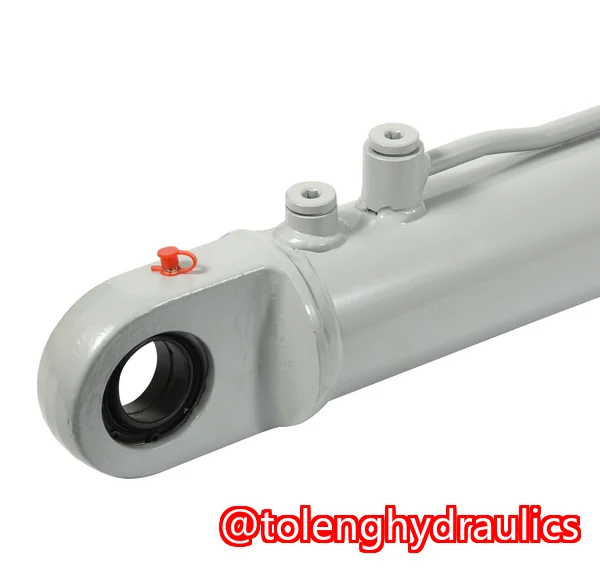
This guide will walk you through everything you need to know about choosing the right hydraulic cylinders for marine environments, including how to inspect cylinder materials, seals, rod finishes, and bore quality to avoid costly failures and maximize operational efficiency.
Common Problems in Marine Hydraulic Cylinders
For anyone in the marine industry, maintaining hydraulic equipment is an ongoing challenge. Here are a few real-world issues you might encounter when purchasing or maintaining hydraulic cylinders for marine applications:
-
Premature Seal Failure: This is one of the most common and costly problems. Seal failure can lead to hydraulic fluid leakage, which not only causes environmental hazards but also compromises the system’s efficiency.
-
Corrosion on Rods and Cylinder Bodies: The combination of saltwater and humidity can be a killer for hydraulic components. Rust on the rod or the cylinder body can cause seals to wear prematurely, leading to leaks and downtime.
-
Inconsistent Cylinder Quality: Not all hydraulic cylinders are built to last in marine conditions. Some might have inferior materials or manufacturing defects that make them prone to damage when exposed to the elements.
Understanding Marine Hydraulic Cylinder Quality
When sourcing hydraulic cylinders for marine use, understanding the key aspects of cylinder quality is crucial for avoiding these issues. Let’s break down what you need to look for:
1. Cylinder Tube Material and Finish
The material of the cylinder tube plays a huge role in how well the cylinder will withstand corrosion. Marine cylinders are typically made from high-grade steel alloys that offer good resistance to saltwater. However, not all materials are created equal.
-
Material Choice: Stainless steel is an excellent choice for marine hydraulic cylinders because it naturally resists rust and corrosion. But, not all stainless steel alloys provide the same level of protection. For high-stress environments, cylinders made from materials like 316 stainless steel are highly recommended.
-
Bore Finish: A smooth, consistent bore finish is key to ensuring that the hydraulic fluid flows properly and the piston seals function without issues. Any inconsistencies in the bore finish can lead to excessive wear on the seals, leading to leaks and reduced service life. The bore should also be free of scratches, pitting, or any other imperfections.
2. Rod Quality: Chrome Plating and Surface Finish
The piston rod is another critical part of a hydraulic cylinder, especially in marine environments. Exposure to saltwater can lead to rapid wear and corrosion, so it’s essential to ensure the rod is properly treated.
-
Chrome Plating: The chrome plating on the rod should be thick enough to resist pitting and corrosion. The plating should also be smooth to prevent any rough spots from damaging seals. Aim for rods with chrome plating of at least 20 microns, though thicker plating (up to 40 microns) is preferable for harsh marine conditions.
-
Surface Finish: A smooth rod surface finish will reduce wear on the seals, prolonging the life of the hydraulic system. You’ll want a rod with a mirror-like finish to minimize friction and wear on the seals.
3. Seal Types and Materials
Seals are a major point of failure in hydraulic cylinders, especially in marine environments. Given the exposure to saltwater, the seals need to be made from materials that resist corrosion and maintain their integrity even when exposed to harsh chemicals.
-
Seal Materials: The best seals for marine hydraulic cylinders are typically made from Viton or polyurethane, both of which offer good resistance to water, heat, and chemical corrosion. These materials maintain their flexibility and sealing properties over a long period.
-
Seal Design: There are different seal designs for different applications, but in marine environments, it’s essential to choose seals that prevent water from entering the cylinder and causing internal rust. Look for double-lip seals or specialized marine seals designed for use in underwater applications.
4. Mounting and Weld Quality
The way the cylinder is mounted can also affect its overall durability. Welded mounts are typically preferred for their strength, but it’s important to inspect them closely.
-
Weld Quality: Poor welds can lead to cylinder failure, especially under the stress of harsh conditions. Ensure that all welds are smooth and free of cracks. The ends of the cylinder should also be well-formed and precisely aligned to avoid misalignment during operation.
-
Mounting Styles: The strongest mounting styles for marine applications are welded or flange-style mounts, which can handle the heavy loads and constant vibration typically seen in marine machinery.
Practical Tips for Inspecting Marine Hydraulic Cylinders
Now that you understand the key factors that determine hydraulic cylinder quality, here’s a step-by-step guide for inspecting cylinders to ensure they meet marine-grade standards:
-
Check the Material and Finish: Look for cylinders made of stainless steel or other corrosion-resistant materials. Inspect the bore finish carefully for smoothness and consistency.
-
Inspect the Rod Surface: Feel the surface of the rod for smoothness. Look for visible corrosion or scratches. Measure the chrome plating thickness to ensure it meets the recommended standards.
-
Test the Seals: Examine the seals for flexibility and integrity. Look for any signs of cracking, wear, or discoloration. Ensure that the seals are made from high-quality materials like Viton.
-
Evaluate Welds and Mounts: Inspect the welds for any signs of cracks or weak spots. Check the mounting points for sturdiness and proper alignment.
-
Perform a Leak Test: If possible, conduct a pressure test to check for leaks in the system, especially around the seals and rod.
Why Proper Cylinder Inspection Matters
Taking the time to properly inspect marine hydraulic cylinders can save you significant money in the long run. Here’s how:
-
Prevent Downtime: By choosing cylinders that are built to last and by identifying any issues early, you can avoid the costly downtime associated with hydraulic failures.
-
Extend Cylinder Lifespan: Properly inspected cylinders will last longer, meaning fewer replacements and a lower total cost of ownership.
-
Reduce Maintenance Costs: Identifying potential issues before they become major problems can significantly reduce your maintenance budget over time.
Conclusion: Ensuring Long-Term Reliability
When selecting hydraulic cylinders for marine applications, it’s essential to focus on corrosion resistance, seal quality, and the overall construction of the cylinder. As someone with years of experience in this industry, I highly recommend following the inspection methods outlined in this guide to ensure that any hydraulic cylinder purchase delivers long-term reliability and performance.
By prioritizing corrosion resistance, inspecting rod finishes, choosing high-quality seals, and ensuring proper mounting, you can confidently invest in cylinders that will stand the test of time in the harshest marine conditions.
Ready to make the best choice for your marine hydraulic needs? 🔗 Browse our selection of high-quality hydraulic cylinders at Toleng Hydraulics and download our complete hydraulic cylinder inspection checklist today.
FAQ
1. How can I tell if a hydraulic cylinder has quality seals?
Look for seals made from high-quality materials like Viton or polyurethane. The seals should be flexible, smooth, and free of cracks or discoloration.
2. What rod surface finish is best for long seal life?
A smooth, mirror-like finish is essential for reducing friction and prolonging seal life. Avoid rough or scratched surfaces that could damage seals.
3. How do I measure bore size and stroke length correctly?
Use calipers or micrometers to measure the inner diameter of the bore and the full stroke length. Be sure to measure both with precision to avoid operational issues.
4. What are the signs of a poorly manufactured cylinder?
Poorly manufactured cylinders may have rough welds, uneven bore finishes, or poor alignment of the rod. You may also notice inconsistent chrome plating or signs of rust.
5. Which cylinder mounting styles are strongest?
Welded and flange-style mounts are typically the strongest for marine applications, providing a more robust solution than tie-rod cylinders.
6. How do I choose between welded and tie-rod cylinders?
Welded cylinders are more durable and better suited for marine applications due to their stronger construction. Tie-rod cylinders are more common in industrial applications but may not be as robust for marine environments.
7. What chrome plating thickness should I look for on rods?
For marine applications, aim for chrome plating that is at least 20 microns thick, with 40 microns being ideal for harsh conditions. This will ensure durability and corrosion resistance.
Keywords: hydraulic cylinder inspection, cylinder quality control, hydraulic seal types, cylinder bore finish, rod chrome plating

