
Mounting Styles for Hydraulic Cylinders: Clevis, Flange, and Trunnion
When it comes to selecting hydraulic cylinders for construction equipment, agricultural machinery, or industrial systems, understanding the various mounting styles is essential for ensuring long-term performance and reliability. Poorly chosen or improperly mounted cylinders can lead to costly downtime, decreased efficiency, and even catastrophic failure. In this guide, we’ll explore the three most common mounting styles: clevis, flange, and trunnion, and how each impacts the durability and function of hydraulic systems. By the end, you’ll have the tools to make informed decisions when selecting hydraulic cylinders for your equipment needs.
Common Hydraulic Cylinder Challenges
Anyone who’s worked with hydraulic systems knows that a small mistake can lead to big problems. One issue we often see with hydraulic cylinders is improper installation due to misunderstanding of mounting styles. Poorly mounted cylinders can lead to misalignment, excessive wear, and even seal failure.
Another common problem I’ve encountered in the field is identifying quality hydraulic cylinders. With so many options available, it can be difficult to distinguish reliable, long-lasting products from those that are poorly manufactured. You may end up with a cylinder that looks great on the outside, but when you dig deeper, it’s a different story. That’s where understanding the mounting style, material quality, and other inspection factors becomes crucial.
Whether you are replacing a cylinder or looking to upgrade your equipment, knowing which mounting style suits your needs is vital for avoiding premature failures and reducing maintenance costs. This article will help you understand how clevis, flange, and trunnion mounting styles work, and how to assess their quality for maximum performance.
Hydraulic Cylinder Mounting Styles Explained
There are three main types of hydraulic cylinder mounting styles that I’ll cover: clevis, flange, and trunnion. Let’s break them down:
1. Clevis Mounting
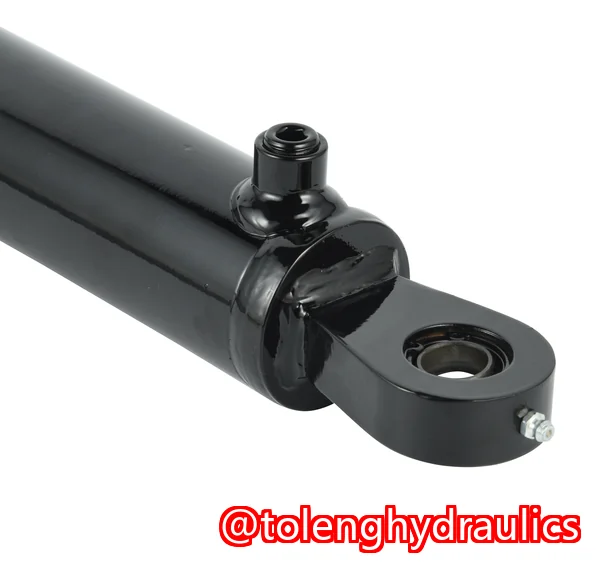
Clevis mounts are one of the most common mounting types for hydraulic cylinders. The design consists of a U-shaped bracket that attaches to the cylinder with pins and a clevis bracket at the end of the cylinder. It is generally used in applications where the cylinder needs to be connected to a pivot point or where there is a need for rotation.
Pros:
-
Easy to install and remove, making it a great choice for maintenance-intensive applications.
-
Provides flexibility for cylinders that need to move through an arc or rotate.
Cons:
-
Not ideal for heavy-duty applications that require significant load-bearing capacity.
-
Can wear out faster under high-stress conditions if not properly maintained.
Ideal Use Cases: Excavators, backhoes, forklifts, and material handling equipment.
2. Flange Mounting
Flange mounting is commonly used for cylinders that need to be bolted onto a flat surface or in fixed positions. In this setup, a flange is welded onto the cylinder, allowing the cylinder to be fastened securely with bolts to a machine or piece of equipment.
Pros:
-
Strong, durable, and capable of withstanding high pressures, making it ideal for heavy-duty machinery.
-
Perfect for applications that require minimal movement of the cylinder and high load-bearing capacity.
Cons:
-
Typically, harder to remove or replace compared to clevis-mounted cylinders.
-
It’s more difficult to make adjustments or allow for movement once installed.
Ideal Use Cases: Agricultural equipment, industrial presses, construction machinery.
3. Trunnion Mounting
Trunnion-mounted cylinders feature a pair of trunnions (metal shafts) on the ends of the cylinder that allow it to pivot within a specific range. These trunnions are typically welded to the cylinder and are fixed with bearings to ensure smooth rotation.
Pros:
-
Excellent for applications where rotation or oscillation is required.
-
Suitable for heavy-duty applications where the cylinder must bear a lot of weight and force.
Cons:
-
Installation can be more complex compared to clevis or flange mounting.
-
Trunnion cylinders require precision alignment to function correctly.
Ideal Use Cases: Hydraulic lifts, large machinery, dump trucks, and mobile hydraulic systems.
Practical Tips for Evaluating Hydraulic Cylinder Quality
Now that we’ve reviewed the key hydraulic cylinder mounting styles, let’s dive into how you can assess cylinder quality before making a purchase. By taking the time to check a few key features, you can ensure you’re getting the best value for your investment.
1. Cylinder Tube Material and Bore Finish
A hydraulic cylinder’s tube is a critical component, and the material it’s made from will significantly affect its performance and longevity. High-quality cylinders are made from strong, corrosion-resistant steel, which can handle the internal pressures and external forces.
When inspecting the bore finish, be sure to check for smoothness and uniformity. A rough bore can lead to premature seal wear and oil leakage. If you notice any inconsistencies or rough spots, it’s a red flag.
2. Piston Rod Surface and Hardness
The piston rod should be chrome-plated for added durability and corrosion resistance. The thickness of the chrome plating is particularly important, as it helps protect the rod from wear and damage over time. A thin or poorly applied chrome layer can result in a shortened cylinder lifespan.
You should also check the surface finish of the piston rod. Any scratches or rough patches could lead to seal failures and leaks. A high-quality rod should have a smooth, polished finish.
3. Seal Types and Materials
Seals are one of the most critical components in a hydraulic cylinder. The material and design of the seal should be suited for the specific application, as different conditions (such as temperature, pressure, and type of fluid) can affect seal performance.
Make sure that the seals are made of high-quality materials that can withstand the pressures and conditions your equipment will face. If you are unsure, ask the manufacturer about the seal materials used and whether they are appropriate for your application.
4. Weld Quality and Mounting Integrity
Welding is a vital part of cylinder construction, especially at the ends where mounting takes place. Poor welds can lead to cylinder failure under stress, so always inspect the quality of the welds. Look for smooth, uniform welds without cracks, holes, or other defects.
The mounting style (clevis, flange, or trunnion) should be carefully checked to ensure it is securely attached and free of damage. A loose or worn mount can cause misalignment, resulting in premature wear or failure.
Why Proper Inspection Matters
Proper inspection of hydraulic cylinders is essential for avoiding costly downtime and unplanned maintenance. Taking a few moments to check for the right materials, proper sealing, and durable mounting will save you time, money, and frustration in the long run. Here are just a few benefits of performing thorough inspections before purchase:
-
Avoiding costly equipment downtime: A poor-quality cylinder can cause unexpected breakdowns that halt operations.
-
Extending cylinder service life: Properly inspected cylinders will last longer, giving you more value for your investment.
-
Reducing maintenance costs: Early detection of potential issues means fewer repairs and less frequent replacements.
Conclusion: Selecting the Right Cylinder for Long-Term Performance
In conclusion, understanding hydraulic cylinder mounting stylesclevis, flange, and trunnionis just the beginning. Evaluating cylinder quality requires a detailed inspection of materials, seals, rod finishes, and welds. I highly recommend following these inspection guidelines to ensure any hydraulic cylinder purchase delivers long-term reliability and performance.
When you’re ready to browse high-quality hydraulic cylinders, visit 🔗 Toleng Hydraulics, where we offer durable, reliable cylinders for all your industrial, agricultural, and construction needs.
Download our complete hydraulic cylinder inspection checklist today to make sure you’re getting the best possible product!
Frequently Asked Questions (FAQs)
1. How can I tell if a hydraulic cylinder has quality seals?
Look for seals made from durable materials like polyurethane or nitrile, and check for any visible damage or wear on the seal edges. High-quality seals should be smooth and properly seated.
2. What rod surface finish is best for long seal life?
A smooth, polished rod finish with an adequate layer of chrome plating is ideal. It minimizes friction and reduces the chances of seal damage.
3. How do I measure bore size and stroke length correctly?
Use precise measuring tools like calipers for the bore size and a measuring tape or caliper for the stroke length. Ensure there is no distortion or wear along the cylinder tube.
4. What are the signs of a poorly manufactured cylinder?
Look for visible flaws like rough welds, uneven chrome plating on the piston rod, and poor sealing material. Misalignment of the mounting points is also a red flag.
5. Which cylinder mounting styles are strongest?
Flange and trunnion mounts are typically stronger than clevis mounts, especially in heavy-duty applications, because they offer better load distribution and stability.
6. How do I choose between welded and tie-rod cylinders?
Welded cylinders are often more durable and compact, while tie-rod cylinders are easier to repair and service, making them a better option for applications requiring frequent maintenance.
7. What chrome plating thickness should I look for on rods?
A chrome plating thickness of at least 0.020 inches (0.5mm) is recommended for high-performance cylinders to ensure durability and resistance to wear.
By choosing the right mounting style and thoroughly inspecting hydraulic cylinders, you can ensure that your machinery remains operational and cost-effective for years to come.

