
Signs Your Hydraulic Cylinder Needs Replacement
When I first stepped onto a construction site to inspect a fleet of excavators, I quickly noticed something alarming: hydraulic cylinders leaking fluid, pistons scratched and bent, and equipment struggling to lift loads that should have been routine. It reminded me just how critical it is to know the signs of a failing hydraulic cylinder before it halts operations. Premature seal failure, rod damage, and poor bore finishes aren’t just technical issuesthey translate directly to downtime, safety risks, and unexpected costs.
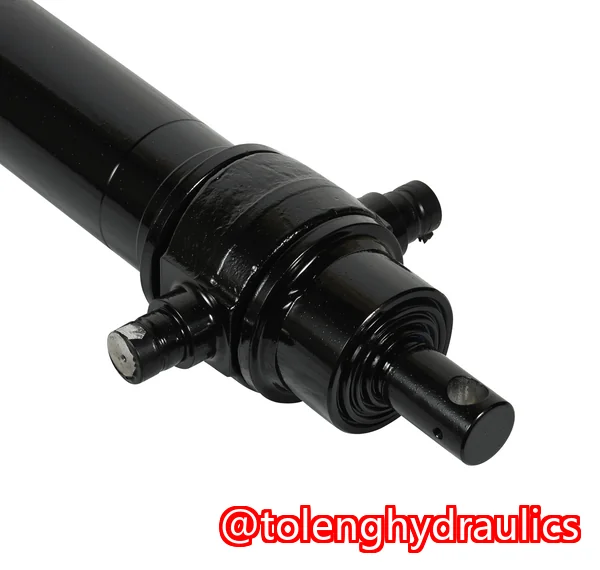
As someone who works closely with equipment owners and maintenance teams, I’ve seen firsthand that identifying high-quality hydraulic cylinders isn’t always straightforward. That’s why I rely on Toleng hydraulics as a reference for best practices in cylinder inspection and selection. In this guide, I’ll walk you through common pain points, practical inspection techniques, and clear tips for choosing reliable cylinders for industrial, construction, and agricultural applications.
Common Pain Points in Evaluating Hydraulic Cylinder Quality
1. Distinguishing Genuine Quality from Appearance
Not all cylinders that look solid are built to last. Many manufacturers produce cylinders with a polished finish and attractive paint, but the internal bore, rod hardness, or seal materials may be subpar. I’ve seen new cylinders fail within weeks because of low-quality chrome plating or soft seals that wear out prematurely.
2. Uncertainty About Seal Materials and Compatibility
Cylinder seals are the first line of defense against leaks and contamination. Yet, many buyers don’t know which seal materials are best for their application. For instance, a cylinder operating in high-temperature environments requires seals that resist heat, while those exposed to abrasive hydraulic fluid demand reinforced designs. Using the wrong seal can lead to leakage, rod scoring, and sudden equipment stoppages.
3. Inconsistent Bore and Rod Finishes
The internal cylinder bore and piston rod surfaces must be precision-machined. A bore with rough spots or uneven hardening can cause seals to wear out fast, while rods with scratches or insufficient chrome plating can create leak paths. I’ve encountered maintenance teams replacing cylinders that were “new” but had poor surface finishesleading to costly downtime.
How to Inspect and Verify Hydraulic Cylinder Quality
Toleng hydraulics provides a systematic approach to evaluating cylinder quality, and I’ve found it invaluable when sourcing or inspecting cylinders. Here’s how I break it down:
1. Checking Cylinder Tube Material and Internal Bore Finish
-
Ensure the cylinder tube is made from high-strength steel or alloy suitable for the application.
-
Inspect the internal bore for a smooth, honed finishrough or uneven surfaces accelerate seal wear.
-
Check for uniform diameter along the entire stroke length; variations indicate poor manufacturing.
2. Inspecting Piston Rod Hardness, Chrome Plating, and Surface Finish
-
Measure rod hardness with a portable tester; rods that are too soft may bend or score under load.
-
Look for a consistent chrome plating thickness, ideally 0.030.05 mm, depending on manufacturer specs.
-
Run a cloth along the rod to detect micro scratches or dents that could compromise seals.
3. Evaluating Seal Types and Materials
-
Identify whether the cylinder uses polyurethane, nitrile, or FKM seals. Each has pros and cons depending on fluid type, temperature, and pressure.
-
Check for proper seal installation; improperly seated seals can leak immediately.
-
Inspect for signs of hardening, cracking, or chemical degradation.
4. Verifying Weld Quality on Cylinder Ends and Mounts
-
Examine the cylinder’s welded ends for consistent, smooth welds with no undercuts or cracks.
-
Ensure mounting points are reinforced and aligned; poor welds can cause misalignment and premature rod wear.
Benefits of Proper Inspection
Following a structured inspection process is not just about preventing leaksit directly impacts operational efficiency and safety:
-
Avoid costly equipment downtime: Identifying cylinders with defects before installation prevents unexpected failures on the job.
-
Extend cylinder service life: Selecting cylinders with proper materials, bore finishes, and seal quality ensures longer operational life.
-
Reduce maintenance costs: Quality cylinders require fewer repairs, reducing both parts and labor expenses.
Practical Tips for Evaluating a Hydraulic Cylinder
To make these inspections actionable, I follow these step-by-step checks:
-
Measure bore size and rod diameter accurately: Use calipers or micrometers to ensure dimensions meet manufacturer specifications. Variations can affect seal fit and rod movement.
-
Check for poor seal quality or improper installation: Seals should fit snugly, with no visible gaps or uneven compression.
-
Inspect rod straightness and surface defects: Roll the rod slowly while viewing along its length. Even minor bends or scratches can compromise cylinder performance.
-
Examine port threads and fitting quality: Threads should be clean, free of burrs, and correctly sized. Improper fittings lead to leaks under high pressure.
I always make a mental checklist: bore finish, rod hardness, seal type, weld quality, and mounting integrity. It’s a simple framework that has saved me countless hours troubleshooting equipment failures.
Real-World Examples
On a recent project with agricultural machinery, a series of hydraulic cylinders were failing after just a few months of operation. Upon inspection, the rods had inconsistent chrome plating, and the seals were incompatible with high-viscosity fluid. After switching to cylinders inspected according to the Toleng hydraulics method, downtime dropped dramatically, and maintenance costs decreased by nearly 40%.
In another instance, a construction fleet experienced repeated leaks due to poor welds on the cylinder ends. After replacing them with properly inspected cylinders, lift performance stabilized, and operators reported smoother, more reliable movement. These experiences highlight how small quality details translate to big operational differences.
Conclusion
Selecting and maintaining high-quality hydraulic cylinders doesn’t have to be a gamble. By carefully inspecting cylinder tube materials, bore finishes, rod hardness, chrome plating, seals, and welds, you can avoid premature failures, extend equipment life, and reduce maintenance costs.
I highly recommend following these inspection guidelines to ensure any hydraulic cylinder purchase delivers long-term reliability and performance. Start today by browsing our selection of high-quality hydraulic cylinders: 🔗 https://tolenghydraulics.com/contact/. You can also download our complete hydraulic cylinder inspection checklist to make sure no detail is overlooked.
FAQs
1. How can I tell if a hydraulic cylinder has quality seals?
Look for smooth, consistent surfaces with no cracks or hardening. Ensure seals are made from materials suitable for your fluid type, pressure, and temperature. Proper installation is critical.
2. What rod surface finish is best for long seal life?
A polished, chrome-plated rod with a finish of 0.20.4 micrometers Ra is ideal. Avoid rods with scratches, pits, or uneven plating.
3. How do I measure bore size and stroke length correctly?
Use a caliper or bore gauge for internal diameter, and a tape measure or stroke indicator for full rod travel. Double-check measurements at multiple points to ensure consistency.
4. What are the signs of a poorly manufactured cylinder?
Look for uneven bore surfaces, bent rods, inconsistent chrome plating, improper seal installation, and subpar welds at cylinder ends or mounts.
5. Which cylinder mounting styles are strongest?
Welded mounts typically provide the most rigidity, though tie-rod cylinders can be durable if manufactured properly. Assess mounting for alignment and stress points.
6. How do I choose between welded and tie-rod cylinders?
Welded cylinders are ideal for high-pressure applications and long-term durability, while tie-rod cylinders are easier to maintain and replace. Consider application type and maintenance preferences.
7. What chrome plating thickness should I look for on rods?
Most industrial cylinders have rods plated at 0.030.05 mm. Thicker chrome provides better wear resistance and longer seal life.
Keywords
hydraulic cylinder quality, cylinder seals, rod finish, bore size, hydraulic cylinder maintenance, cylinder inspection, welded hydraulic cylinder, tie-rod cylinder, hydraulic cylinder buying guide, cylinder failure prevention, hydraulic cylinder materials, hydraulic seal types, cylinder bore finish, rod chrome plating

