
Single-Acting vs Double-Acting Hydraulic Cylinders: Which Is Better for Performance and Reliability?
Learn how to compare single-acting and double-acting hydraulic cylinders and use practical inspection tips to identify high-quality cylinders that prevent leaks, rod damage, and costly downtime.
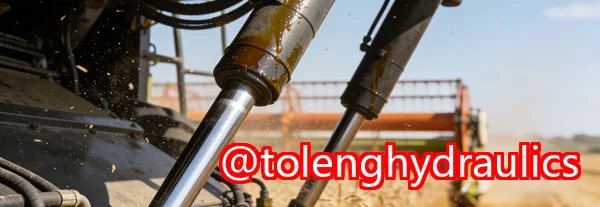
When purchasing hydraulic cylinders for heavy equipment, I’ve learned that not all cylinders are built to last. Premature seal failure, rod scoring, and unexpected leaks can bring operations to a halt in the worst possible momentright in the middle of a critical job. I’ve seen excavators stop mid-dig, agricultural machinery sit idle during harvest season, and production lines pause because of a single hydraulic cylinder failure.
In many of these situations, the root problem wasn’t just poor maintenance. It was choosing the wrong type of cylinderor buying one that looked fine on the outside but had hidden quality issues inside.
One of the most common questions equipment owners ask is surprisingly simple: Should I use a single-acting hydraulic cylinder or a double-acting one?
At first glance, the difference seems straightforward. But once you factor in cylinder seals, rod finish, bore size, mounting design, and hydraulic cylinder maintenance requirements, the decision becomes much more important. Choosing correctly can significantly extend equipment life and reduce downtime.
Over the years, I’ve developed a habit of carefully inspecting cylinders before installation. In this article, I’ll walk through the practical differences between single-acting and double-acting cylinders, the real-world problems engineers face when selecting them, and how to perform a basic hydraulic cylinder inspection to make sure you’re getting the quality you paid for.
Understanding the Basic Difference
Before comparing performance and durability, it’s helpful to clarify how these two cylinder types actually work.
Single-Acting Hydraulic Cylinders
A single-acting cylinder uses hydraulic pressure in only one directionusually to extend the piston rod. The return motion typically relies on gravity, spring force, or the load itself.
These cylinders are commonly used in applications such as:
-
Dump truck beds
-
Agricultural lifting mechanisms
-
Simple presses
-
Certain material handling equipment
Because they only require one hydraulic port, the design is simpler and often more cost-effective. There are fewer seals, fewer moving parts, and generally lower hydraulic system complexity.
But simplicity also comes with limitations.
Single-acting cylinders rely on external forces for the return stroke. That means the application must allow gravity or load weight to push the piston back into the cylinder.
Double-Acting Hydraulic Cylinders
A double-acting cylinder uses hydraulic pressure for both extension and retraction. Fluid is alternately directed to either side of the piston through two ports.
These cylinders are widely used in:
-
Excavators and loaders
-
Industrial automation systems
-
Agricultural implements
-
Forklifts
-
Mobile hydraulics
Because the hydraulic system controls both directions of motion, double-acting cylinders offer better control, improved speed consistency, and stronger operational flexibility.
However, they also introduce additional complexity. More seals, more fluid pathways, and higher manufacturing precision are required to maintain long-term reliability.
The Real-World Problem: Appearance vs Actual Cylinder Quality
One of the biggest challenges equipment buyers face is distinguishing genuine hydraulic cylinder quality from simple appearance.
I’ve inspected cylinders that looked perfectly polished on the outside but failed after only a few months of use. The root causes usually fall into three categories.
1. Hidden Seal Quality Problems
Cylinder seals are one of the most overlooked components during procurement.
Low-quality seals can cause:
-
Internal leakage
-
Pressure loss
-
Rapid wear
-
Contamination inside the hydraulic system
Many cylinders use generic seal kits that aren’t matched to the application’s pressure range or temperature environment.
When evaluating seal quality, I always ask three simple questions:
-
What hydraulic seal types are used?
-
Are the materials suitable for high pressure and temperature?
-
Are backup rings included to prevent extrusion?
A properly designed seal system significantly extends service life.
2. Poor Rod Surface Finish
The rod finish is critical for seal longevity.
A poorly finished piston rod will quickly damage seals. Even microscopic imperfections can act like sandpaper over time.
When inspecting a rod, I look for:
-
Smooth chrome plating
-
Consistent surface texture
-
No scratches or pits
The thickness of the rod’s chrome plating also matters. Thin plating can wear away quickly, exposing softer base metal underneath.
3. Inconsistent Cylinder Bore Finish
Another hidden problem lies inside the cylinder tube itself.
The cylinder bore finish directly affects seal performance and piston movement. If the internal surface is too rough, seals wear prematurely. If it’s too smooth, lubrication can be compromised.
High-quality cylinders maintain precise honing patterns inside the tube. This crosshatch pattern retains hydraulic oil and reduces friction during operation.
When Single-Acting Cylinders Make Sense
Despite their limitations, single-acting cylinders remain extremely useful in certain applications.
In my experience, they are ideal when:
-
The load naturally returns the cylinder
-
Simplicity and cost efficiency are priorities
-
Maintenance access is limited
-
System complexity needs to be minimized
For example, dump trucks commonly rely on single-acting telescopic cylinders. Gravity easily returns the bed to its original position.
Because there are fewer seals and components, maintenance can also be easier.
However, the trade-off is reduced control. Without hydraulic pressure on the return stroke, movement speed and stability depend on external conditions.
Why Double-Acting Cylinders Are Often Preferred
For most modern equipment, double-acting cylinders provide significant operational advantages.
These include:
-
Precise motion control
-
Consistent speed in both directions
-
Higher operational flexibility
-
Better load management
Construction machinery is a perfect example. Excavators require controlled movement both when lifting and lowering heavy loads.
A single-acting cylinder simply wouldn’t provide enough control for these tasks.
However, this additional performance means the cylinder must be manufactured with higher precision. Poor-quality double-acting cylinders tend to fail faster because they rely on multiple seals and accurate internal tolerances.
Practical Hydraulic Cylinder Inspection Tips
Over the years, I’ve developed a straightforward inspection routine before approving any new cylinder purchase. These checks can reveal many hidden quality problems.
Check the Cylinder Tube Material
The cylinder body should be manufactured from high-strength steel designed for hydraulic pressure loads.
Look for:
-
Uniform wall thickness
-
Smooth external welds
-
No visible distortion or heat marks
High-quality cylinder tubes typically undergo precision honing to achieve the correct bore finish.
Measure Bore Size and Rod Diameter
Incorrect bore size can dramatically affect performance.
I recommend using calibrated measuring tools to verify:
-
Cylinder bore size
-
Rod diameter
-
Stroke length
These measurements should match the manufacturer’s specifications exactly.
Even small deviations can reduce lifting capacity or cause seal stress.
Inspect Rod Straightness
A bent piston rod is one of the fastest ways to destroy seals.
Roll the rod across a flat surface or use a dial indicator to check straightness. Any noticeable wobble indicates a potential manufacturing defect.
Evaluate Chrome Plating Quality
Rod chrome plating protects against corrosion and wear.
Key things to examine:
-
Even chrome coverage
-
No peeling or discoloration
-
Adequate plating thickness
Thin plating often leads to rod scoring after extended use.
Examine Seal Installation
Improper seal installation is surprisingly common.
Look for:
-
Correct seal orientation
-
Even compression
-
No pinching or distortion
If seals appear twisted or uneven, the cylinder may fail quickly once pressure is applied.
Inspect Weld Quality on Mounting Ends
Cylinder mounting points experience extreme loads.
Poor welding can lead to catastrophic failure.
Check for:
-
Smooth weld beads
-
No cracks or porosity
-
Proper alignment between mounts and cylinder body
Mount integrity is critical for both safety and long-term durability.
Verify Hydraulic Ports and Threads
Hydraulic port threads should be clean, precise, and free of debris.
Poorly machined ports can cause:
-
Leakage
-
Fitting misalignment
-
System contamination
A quick inspection with a thread gauge can reveal problems early.
Why Proper Inspection Prevents Costly Failures
Many buyers focus only on price when sourcing cylinders. But the real cost often appears later.
Premature cylinder failure can lead to:
-
Equipment downtime
-
Emergency repairs
-
Production delays
-
Safety risks
I’ve seen construction projects lose thousands of dollars in a single day because of a leaking hydraulic cylinder.
Taking the time to perform a thorough hydraulic cylinder inspection before installation can prevent these situations.
The goal isn’t just avoiding bad cylinders. It’s ensuring that every cylinder installed on your equipment can deliver reliable performance for years.
A Helpful Resource for Buyers and Maintenance Teams
To simplify this evaluation process, Toleng hydraulics provides a comprehensive guide designed specifically for engineers, equipment owners, and procurement specialists.
The guide walks users through practical steps for evaluating:
-
Hydraulic cylinder materials
-
Seal systems and hydraulic seal types
-
Rod chrome plating quality
-
Cylinder bore finish and honing patterns
-
Mounting styles and structural integrity
Whether you’re sourcing cylinders for construction equipment, agricultural machinery, industrial automation systems, or mobile hydraulic applications, this resource helps distinguish reliable products from poorly manufactured alternatives.
In my experience, having a structured inspection process dramatically improves purchasing decisions and long-term equipment performance.
Final Thoughts
After years of working with hydraulic equipment, one thing has become very clear to me: the best cylinder isn’t just about whether it’s single-acting or double-acting.
The real difference comes down to quality, inspection, and proper application matching.
Single-acting cylinders are excellent for simple lifting tasks where gravity can handle the return motion. Double-acting cylinders provide superior control and flexibility for demanding industrial and construction applications.
But regardless of cylinder type, careful inspection is essential. Evaluating cylinder materials, seal quality, rod finish, bore size accuracy, and mounting strength can reveal potential issues before they become expensive failures.
I highly recommend following these inspection guidelines to ensure any hydraulic cylinder purchase delivers long-term reliability and performance.
Browse our selection of high-quality hydraulic cylinders:
🔗 https://tolenghydraulics.com/contact/
Download our complete hydraulic cylinder inspection checklist today and ensure your equipment operates safely, efficiently, and reliably for years to come.
FAQ
How can I tell if a hydraulic cylinder has quality seals?
Quality seals are typically made from durable materials such as polyurethane or high-grade nitrile. Look for properly installed seal kits with backup rings. Poor seals often show uneven compression or visible deformation before installation.
What rod surface finish is best for long seal life?
A smooth rod surface with consistent chrome plating provides the best seal life. The surface should be free of scratches, pits, or rough patches. Precision ground and polished rods help reduce friction and seal wear.
How do I measure bore size and stroke length correctly?
Use calibrated measuring tools such as internal micrometers or bore gauges to measure cylinder bore size. Stroke length can be determined by measuring the maximum extension distance of the rod from the fully retracted position.
What are the signs of a poorly manufactured cylinder?
Common warning signs include uneven welds, thin chrome plating, rough bore finishes, misaligned mounting brackets, and poorly installed seals. Any visible distortion or machining errors should raise concerns.
Which cylinder mounting styles are strongest?
Heavy-duty applications often use clevis mounts, trunnion mounts, or flange mounts because they distribute loads evenly and maintain proper alignment under pressure.
How do I choose between welded and tie-rod cylinders?
Welded cylinders are generally more compact and suitable for mobile equipment, while tie-rod cylinders are easier to service and commonly used in industrial machinery.
What chrome plating thickness should I look for on rods?
High-quality rods typically feature chrome plating thick enough to resist wear and corrosion over long operating cycles. Thin plating may wear away quickly, exposing the base metal.
Tags / Keywords:
hydraulic cylinder quality, cylinder seals, rod finish, bore size, hydraulic cylinder maintenance, cylinder inspection, welded hydraulic cylinder, tie-rod cylinder, hydraulic cylinder buying guide, cylinder failure prevention, hydraulic cylinder materials, rod chrome plating

