
Step-by-Step Guide to Rebuilding a Hydraulic Cylinder
When you’re dealing with heavy machinery, few things are more frustrating than hydraulic cylinder failures. These components are the lifeblood of many industrial, agricultural, and construction applications, yet they often face harsh conditions that lead to premature wear and breakdowns. As an engineer or maintenance professional, you’ve likely experienced the challenge of replacing cylinders or performing costly repairs. The key to minimizing downtime, reducing maintenance costs, and ensuring optimal performance is understanding how to evaluate and select the right hydraulic cylinders.
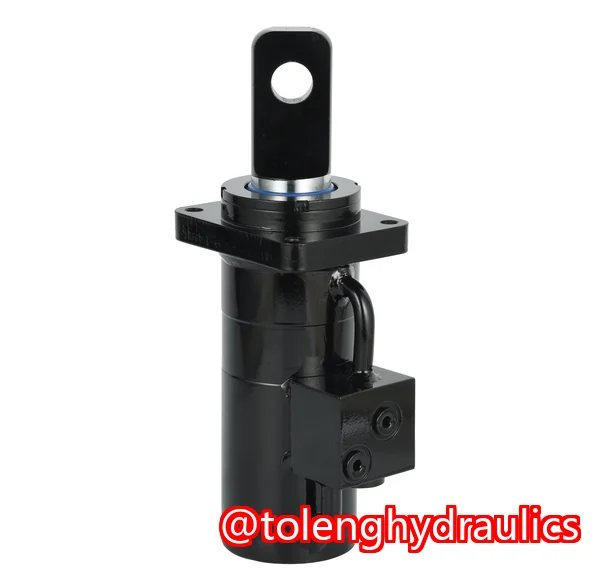
I’ve spent years working with hydraulic systems, and one thing is clear: not all cylinders are created equal. Whether you’re buying new cylinders or repairing existing ones, it’s crucial to know what to look for to avoid problems like rod damage, seal leaks, or sudden failures. That’s where this step-by-step guide comes in. I’ll walk you through the inspection process to help you identify high-quality cylinders that will stand the test of time.
Common Problems with Hydraulic Cylinders
Hydraulic cylinders are integral to machinery, but issues like premature seal failure, rod damage, and leaks are common concerns. When purchasing cylinders, it can be challenging to differentiate between high-quality options and inferior ones. While some cylinders may look fine on the surface, their internal componentssuch as seals, rod finish, or bore qualitymay not meet the standards necessary for long-term reliability.
As someone who has worked with these components for years, I know how easily the wrong cylinder can cause headaches. That’s why it’s so important to inspect cylinders thoroughly before installation or purchase.
How to Inspect Hydraulic Cylinders for Quality
When it comes to ensuring that a hydraulic cylinder will last and perform well under pressure, a good inspection is key. Here are a few things I’ve learned about evaluating cylinders.
1. Check the Cylinder Tube Material and Internal Bore Finish
The cylinder tube is the foundation of the hydraulic cylinder, and the bore finish is crucial for reducing wear and preventing premature seal failure. A poorly finished bore can lead to leaks, inefficient operation, and faster wear of the seals.
-
What to look for: Inspect the bore for any visible scratches, corrosion, or surface irregularities.
-
Why it matters: A smooth bore finish reduces friction and ensures better seal performance, extending the life of your cylinder.
2. Evaluate the Piston Rod: Hardness, Chrome Plating, and Surface Finish
The piston rod is another area where quality matters. If the rod isn’t properly treated, it can easily develop corrosion or surface defects that cause seal leakage. Additionally, the rod must be straight and smooth to ensure proper seal contact.
-
What to look for: Check the hardness of the rod material, thickness of the chrome plating, and the smoothness of the surface.
-
Why it matters: The right surface finish and chrome plating thickness will protect against wear, corrosion, and damage, ensuring the rod lasts longer.
3. Inspect the Seals and Materials
Seals are the unsung heroes of hydraulic cylinders. They prevent leakage and maintain system pressure. But not all seals are created equal. The material used for seals will determine their durability, especially under extreme temperatures or pressures.
-
What to look for: Inspect the seals for any signs of cracking, wear, or damage. Verify the material of the seals (e.g., nitrile, polyurethane, or PTFE) to ensure they’re suitable for your application.
-
Why it matters: The right seals ensure that your hydraulic system operates efficiently without leakage or pressure loss, extending the life of your equipment.
4. Check the Weld Quality on Cylinder Ends and Mounts
The welds on a hydraulic cylinder must be strong and uniform. Poor welding can lead to weak spots that fail under pressure. When inspecting cylinders, always look at the welds at both ends and at any mounting locations.
-
What to look for: Check for even welds and signs of cracking or other imperfections.
-
Why it matters: Strong, clean welds are essential to prevent cylinder failure and ensure reliable operation.
5. Check the Mounting Style and Durability
Different applications may require different cylinder mounting styles. Some cylinders use tie rods, while others are welded. The mounting style determines how the cylinder fits into the machine, so it’s important to verify that the mounting style suits your machinery and is built to last.
-
What to look for: Check the type of mounting (e.g., welded or tie-rod) and ensure the mounts are robust and aligned properly.
-
Why it matters: The right mounting style ensures the cylinder performs efficiently and withstands the stresses of your application.
Practical Tips for Hydraulic Cylinder Maintenance and Inspection
By now, you should have a good understanding of what to look for when inspecting hydraulic cylinders. But let’s break things down into some practical steps for assessing your equipment.
-
Measure the Bore Size and Rod Diameter: Use precise measuring tools to verify the bore size and rod diameter. An incorrectly sized bore or rod can cause misalignment or premature wear.
-
Inspect for Straightness: Make sure the piston rod is straight. A bent rod can cause uneven wear on the seals and lead to eventual failure.
-
Check for Seal Integrity: Inspect seals for any cracks, wear, or deformation. If the seals are damaged, replace them before installing the cylinder.
-
Verify Port Threads and Fitting Quality: Check the threads on the cylinder ports for any damage or corrosion. Poor thread quality can lead to leaks and inefficient operation.
Why Proper Inspection Matters
Inspecting your hydraulic cylinders carefully before purchase or installation can save you from costly repairs and unplanned downtime. A thorough inspection ensures that your cylinders are built with quality materials, have strong seals, and are designed to withstand the demands of your application.
By following these inspection guidelines, you’ll reduce maintenance costs, extend the life of your hydraulic cylinders, and avoid unexpected failures that could disrupt your operations.
Conclusion
When purchasing or maintaining hydraulic cylinders, it’s essential to follow a comprehensive inspection process. By focusing on key areas such as bore finish, rod quality, seal integrity, and weld strength, you can avoid the common problems that lead to premature failure and downtime. I highly recommend following these inspection guidelines to ensure any hydraulic cylinder purchase delivers long-term reliability and performance.
For more information, browse our selection of high-quality hydraulic cylinders here: 🔗 Toleng Hydraulics. You can also download our complete hydraulic cylinder inspection checklist to make the process even easier.
FAQ
1. How can I tell if a hydraulic cylinder has quality seals?
Look for seals that are made from durable materials like nitrile, polyurethane, or PTFE. Check for any visible cracks, wear, or deformation. A good-quality seal will also fit snugly into the cylinder without any gaps.
2. What rod surface finish is best for long seal life?
A smooth, polished rod with a high-quality chrome plating is ideal. This helps to reduce friction, prevent corrosion, and ensure that seals maintain proper contact with the rod.
3. How do I measure bore size and stroke length correctly?
Use a micrometer or caliper to measure the bore size accurately. For stroke length, extend the cylinder fully and measure the distance from the base to the end of the rod.
4. What are the signs of a poorly manufactured cylinder?
Look for inconsistencies in weld quality, rough bore finishes, and defects on the rod surface. Also, check for inadequate seal materials or poor assembly, which can lead to leaks and premature wear.
5. Which cylinder mounting styles are strongest?
Welded cylinders tend to be more robust for heavy-duty applications, as they offer greater durability and strength. Tie-rod cylinders are easier to maintain but may not be as strong as welded alternatives.
6. How do I choose between welded and tie-rod cylinders?
Consider your application needs. Tie-rod cylinders are good for lighter-duty machinery, while welded cylinders are ideal for more heavy-duty applications where strength and durability are crucial.
7. What chrome plating thickness should I look for on rods?
Look for rods with at least 20 microns of chrome plating thickness. This thickness offers good corrosion resistance and durability for most applications.
Tags or Keywords
-
Hydraulic cylinder quality
-
Cylinder seals
-
Rod finish
-
Bore size
-
Hydraulic cylinder maintenance
-
Cylinder inspection
-
Welded hydraulic cylinder
-
Tie-rod cylinder
-
Hydraulic cylinder buying guide
-
Cylinder failure prevention
-
Hydraulic cylinder materials

