
What Is a Hydraulic Cylinder? Definition, Parts, and Function
When purchasing hydraulic cylinders for heavy equipment, I’ve learned that not all cylinders are built to last. Premature seal failure, rod damage, and leaks can bring operations to a halt. These issues can be costly, especially when they lead to unplanned downtime or expensive replacements. But identifying a high-quality hydraulic cylinder isn’t as complicated as it might seemif you know what to look for. Whether you’re buying for industrial machinery, agricultural equipment, or construction vehicles, proper inspection is the key to ensuring reliable, long-lasting performance.
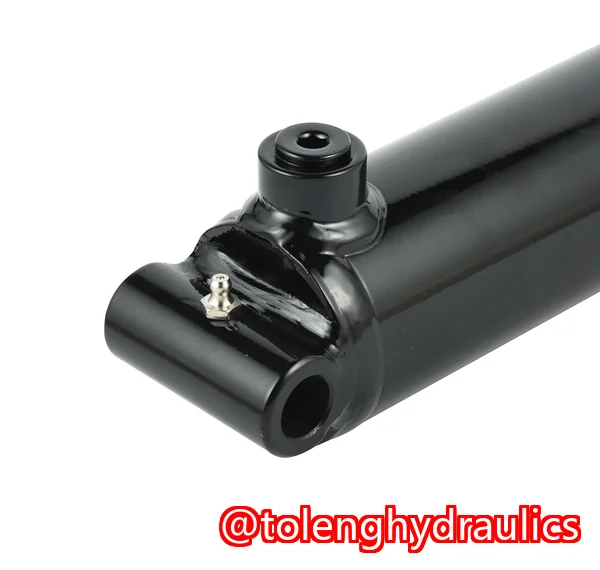
In this article, I’ll guide you through the essential elements of a hydraulic cylinderhelping you avoid premature failure and make informed purchasing decisions. You’ll learn about hydraulic cylinder parts, common failures, and practical inspection tips to assess cylinder quality. By the end of this post, you’ll be well-equipped to evaluate cylinders and ensure you’re getting the most out of your investment.
What Is a Hydraulic Cylinder?
A hydraulic cylinder is a mechanical actuator that converts hydraulic energy (fluid pressure) into linear motion. They are essential components in various industries, including construction, agriculture, and industrial automation. Hydraulic cylinders are used to perform tasks like lifting, pushing, or pulling loads, with applications ranging from earth-moving machines to agricultural harvesters.
Key Parts of a Hydraulic Cylinder
-
Cylinder Tube: This is the body of the cylinder, where the hydraulic fluid moves. It’s typically made of steel for strength and durability.
-
Piston: Located inside the cylinder tube, the piston separates the hydraulic fluid and generates linear motion by pushing against the fluid pressure.
-
Piston Rod: This is the extendable part of the hydraulic cylinder that transmits the piston’s force to the load.
-
End Caps: These are located at both ends of the cylinder tube and contain the seals that prevent hydraulic fluid from leaking.
-
Seals: Seals prevent hydraulic fluid from escaping and contaminants from entering the cylinder, ensuring smooth operation.
-
Mounting Brackets: These are the attachment points for the cylinder, connecting it to the machine or equipment.
Why Cylinder Quality Matters
If you’ve ever dealt with equipment downtime due to hydraulic issues, you know how frustrating it can be. Hydraulic cylinders are prone to several common issues, such as:
-
Seal Leaks: Over time, seals can degrade, leading to leaks that reduce efficiency and cause damage to the surrounding components.
-
Rod Damage: A damaged rod can cause the cylinder to fail, preventing proper movement and possibly even damaging other parts of the machine.
-
Premature Wear: Poor cylinder design or manufacturing can lead to excessive wear, especially around the piston and bore area.
The best way to avoid these issues is to choose high-quality cylinders in the first place. But with so many options out there, how can you tell the difference between a quality cylinder and one that might fail prematurely? Let’s dive into some practical tips on how to evaluate hydraulic cylinder quality.
How to Inspect Hydraulic Cylinder Quality
-
Check the Cylinder Tube Material and Bore Finish
-
Material: The tube should be made of high-strength steel or alloy material to withstand the high pressures and stresses encountered during operation.
-
Bore Finish: A smooth, consistent bore finish is crucial to ensure proper sealing and prevent excessive wear on the piston and seals. Look for a honed or polished bore to ensure minimal friction and wear.
-
-
Inspect the Piston Rod
-
Hardness: A quality piston rod should have high hardness to resist wear and deformation. Check for hardness tests like Rockwell or Vickers to ensure the rod will perform well under pressure.
-
Chrome Plating Thickness: A well-applied chrome coating is essential for preventing corrosion and improving the rod’s durability. Make sure the chrome layer is thick enough (usually between 20-40 microns).
-
Surface Finish: Look for a smooth rod finish that reduces friction. Any scratches, pitting, or signs of poor finishing can lead to premature seal wear.
-
-
Evaluate Seal Types and Materials
-
Seal Materials: Seals come in various materials, such as nitrile, polyurethane, and fluoroelastomer, each suited to different applications. Consider the operating temperature, pressure, and fluid compatibility before choosing a cylinder with seals that are appropriate for your environment.
-
Seal Quality: Inspect for uniformity and tightness in the seal. Poorly manufactured seals may leak under pressure or fail quickly.
-
-
Assess Mounting and Weld Quality
-
Mounting Styles: Cylinder mounts come in different styles, such as flange, trunnion, and clevis mounts. Choose the style that best fits your equipment’s design. Also, check for proper alignment and secure mounting.
-
Welds: Quality welds ensure the cylinder is structurally sound. Look for smooth, uniform welds with no signs of cracking, spattering, or weak spots.
-
Tips for Preventing Cylinder Failures
-
Avoiding Overloading: Overloading the hydraulic cylinder can cause excessive wear and seal damage. Always ensure the cylinder is sized correctly for the task.
-
Regular Inspections: Perform routine inspections to detect early signs of wear, leaks, or damage. Checking rod straightness and bore condition at regular intervals can save you from costly repairs.
-
Proper Installation: Proper installation ensures that the cylinder operates smoothly and extends its service life. Check for proper alignment and secure fittings during installation.
Conclusion
Choosing the right hydraulic cylinder can save you time, money, and headaches down the road. I highly recommend following the inspection guidelines outlined above to ensure any hydraulic cylinder purchase delivers long-term reliability and performance. By focusing on key aspects like material quality, seal integrity, rod finish, and weld strength, you can avoid premature failures and maximize the uptime of your equipment.
Browse our selection of high-quality hydraulic cylinders: 🔗 Toleng Hydraulics. You can also download our complete hydraulic cylinder inspection checklist today to ensure you make the best choice.
FAQ
1. How can I tell if a hydraulic cylinder has quality seals?
Check the material type of the seals and ensure they match the application requirements. Look for seals that are properly seated and have a uniform appearance, with no cracks or wear marks.
2. What rod surface finish is best for long seal life?
A smooth, polished surface finish helps reduce friction and prevent seal wear. Avoid rods with visible scratches, rust, or pitting.
3. How do I measure bore size and stroke length correctly?
Use a micrometer or caliper to measure the inner diameter of the cylinder tube for bore size. To measure stroke length, extend the piston fully and measure the distance traveled.
4. What are the signs of a poorly manufactured cylinder?
Signs include rough welds, uneven rod surfaces, inconsistent bore finishes, and poorly seated seals. If the cylinder shows any of these issues, it may fail prematurely.
5. Which cylinder mounting styles are strongest?
Flanged mounts are generally stronger and more stable, as they provide a larger surface area for attachment. However, the right mount style depends on your specific equipment and application.
6. How do I choose between welded and tie-rod cylinders?
Welded cylinders offer better strength and are ideal for heavy-duty applications. Tie-rod cylinders are more cost-effective and easier to maintain, making them ideal for lighter-duty tasks.
7. What chrome plating thickness should I look for on rods?
Look for chrome plating thickness between 20-40 microns for optimal protection against corrosion and wear. Too thin a coating may not protect the rod effectively, while too thick a coating may cause issues with rod movement.
Tags or Keywords:
-
hydraulic cylinder quality, cylinder seals, rod finish, bore size, hydraulic cylinder maintenance, cylinder inspection, welded hydraulic cylinder, tie-rod cylinder, hydraulic cylinder buying guide, cylinder failure prevention, hydraulic cylinder materials

