
Heavy-Duty Hydraulic Cylinders Features and Selection Tips
When purchasing hydraulic cylinders for heavy machinery, one thing I’ve learned over the years is that not all cylinders are created equal. You might think that they all function similarly, but there’s a big difference in terms of reliability, longevity, and overall performance. The reality is that poor-quality hydraulic cylinders can lead to catastrophic failuresruptured seals, damaged rods, leaksand those problems can grind your operations to a halt. The last thing you want is to face costly downtime or premature failure due to an oversight when sourcing cylinders.
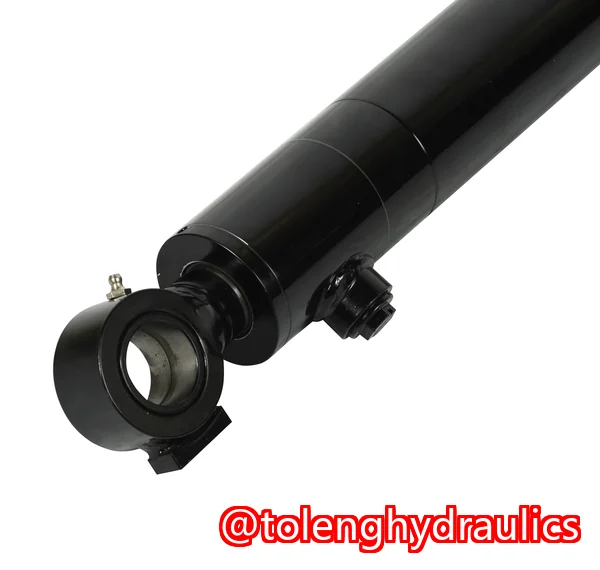
In this guide, I’ll walk you through what to look for when selecting high-quality hydraulic cylinders for your equipment. We’ll cover the common pain points engineers, maintenance teams, and equipment buyers facelike how to inspect cylinder quality and how to choose the right components. If you follow these tips, you can avoid unnecessary headaches and costly repairs down the road.
Common Problems When Choosing Hydraulic Cylinders
Hydraulic cylinders play a crucial role in machinery, from construction equipment to agricultural machines. However, selecting the right one is not as straightforward as it may seem. Below are a few issues that many of us encounter:
1. Difficulty Distinguishing Between Genuine Quality and Surface-Level Appearances
At first glance, a hydraulic cylinder might look perfect. But it’s what’s inside that counts. Many manufacturers try to cut corners by focusing on outward appearances. However, a shiny exterior doesn’t always equate to top-notch performance. A poor internal bore finish or cheap seal material can lead to early wear or system failure.
2. Uncertainty About Seal Materials and Rod Surface Finishes
The seals in a hydraulic cylinder are essential to prevent fluid leaks, but not all seals are created equal. Some cylinders use low-grade rubber or low-quality materials that wear out quickly. Similarly, the rod surface finish can impact how well the cylinder operates. If the rod finish isn’t smooth or properly treated, it can wear down seals prematurely, leading to leaks and system failures.
3. Inconsistent Bore Finishes
The bore is where the piston moves back and forth, so any imperfections in this area can cause friction, leading to premature wear and malfunction. Inconsistent or poor-quality bore finishes are a leading cause of hydraulic cylinder failure.
How to Inspect Hydraulic Cylinders Like a Pro
When you’re inspecting a hydraulic cylinder, whether for new purchases or maintenance purposes, there are several areas you should carefully evaluate to ensure quality.
1. Cylinder Tube Material and Internal Bore Finish
The cylinder tube is one of the most critical components. You want a tube made from high-quality materials that can withstand high pressure. The bore finish is equally importantsmooth, consistent, and free from any sharp imperfections. Any roughness in the bore can lead to accelerated wear of seals and the piston.
2. Piston Rod Hardness, Chrome Plating Thickness, and Surface Finish
The piston rod takes a lot of abuse, so it needs to be built to last. Look for a rod that is made from hardened steel with thick chrome plating. The thickness of the chrome plating should be sufficient to prevent corrosion, but also not so thick that it causes excess friction. Additionally, the surface finish is important for the rod’s longevitymake sure it is smooth and free from surface defects that could damage seals.
3. Seal Types and Materials for Specific Applications
The seals are one of the most critical elements of a hydraulic cylinder. Choosing the wrong material can result in premature failure. For example, if you’re working in an environment where extreme temperatures or high pressures are common, you need seals made of more durable materials. Always ensure the seals are compatible with the fluids you plan to use and the operating conditions of your equipment.
4. Weld Quality on Cylinder Ends and Mounts
Weld quality is often overlooked but should be a priority during inspection. Poorly executed welds can result in weakness and lead to catastrophic failures under pressure. Make sure that welds are even, clean, and strong to ensure the integrity of the cylinder and its mounts.
The Benefits of Proper Cylinder Inspection
You might be thinking, “Is all this extra effort really worth it?” Absolutely! By taking the time to properly inspect hydraulic cylinders before purchase, you’ll be able to avoid many common failures that can cause expensive downtime. Here’s how:
-
Avoid costly downtime and unexpected failures: Proper inspection ensures you’re investing in cylinders that won’t fail prematurely, keeping your equipment running smoothly.
-
Extend cylinder service life: By choosing high-quality cylinders and understanding how to maintain them, you’ll maximize their lifespan.
-
Reduce maintenance costs: Identifying potential issues before purchase means fewer repairs, less downtime, and lower overall maintenance costs for your equipment.
Practical Tips for Hydraulic Cylinder Inspection
Here’s how to ensure you’re selecting a reliable hydraulic cylinder, step-by-step.
Measuring Bore Size and Rod Diameter
When choosing a hydraulic cylinder, make sure to measure both the bore size and rod diameter accurately. You can do this by using a caliper or micrometer to ensure that these critical dimensions match the specifications for your application. Incorrect sizing can cause inefficient operation and premature wear.
Identifying Poor Seal Quality
A hydraulic cylinder’s seals play a massive role in its longevity. If you spot any signs of cracking, discoloration, or wear on the seals, these may be indications that the seals are of low quality or incorrectly installed. Make sure to inspect seals regularly and replace them at the first sign of damage.
Checking for Rod Straightness and Surface Defects
A straight rod is vital for proper cylinder function. Use a simple method like the roll testplace the rod on a flat surface and rotate it to see if there are any noticeable bends. Also, inspect the surface for any pitting, scratches, or other defects that could damage the seals and cause leakage.
Inspecting Port Threads and Fitting Quality
Good-quality hydraulic cylinders should have precision-cut port threads and fittings that seal tightly. Check for signs of wear, uneven threading, or poor-quality fittings that could lead to leaks and inefficiency. Always verify that port sizes match your machine’s requirements.
Conclusion: Ensuring Long-Term Cylinder Reliability
By following these simple yet effective inspection methods, you can ensure that you choose hydraulic cylinders that are reliable and built to last. I highly recommend performing thorough inspections when considering any hydraulic cylinder purchase. This will give you the peace of mind knowing that your equipment will run smoothly for years to come.
If you’re ready to browse a selection of high-quality hydraulic cylinders, visit Toleng Hydraulics for an extensive range of durable, high-performance products. To help you in your inspection process, download our complete hydraulic cylinder inspection checklist today.
Frequently Asked Questions (FAQ)
1. How can I tell if a hydraulic cylinder has quality seals?
Look for seals made from durable materials like polyurethane or nitrile rubber, depending on your application. They should be smooth, free from cracks, and fit perfectly within the cylinder’s groove.
2. What rod surface finish is best for long seal life?
A smooth, polished surface with a chrome plating thickness of at least 0.5 to 1 mil is ideal. This reduces friction and wear on the seals, extending the cylinder’s life.
3. How do I measure bore size and stroke length correctly?
Use calipers or a micrometer to measure the internal diameter of the cylinder tube for bore size. For stroke length, extend the piston fully and measure the distance between the cylinder end and the piston.
4. What are the signs of a poorly manufactured cylinder?
Poor welds, uneven surface finishes, rust or corrosion on critical components, and poorly fitted seals are all red flags.
5. Which cylinder mounting styles are strongest?
Welded cylinders are typically stronger than tie-rod cylinders because they have fewer components and a more solid structure. However, tie-rod cylinders are often easier to maintain and repair.
6. How do I choose between welded and tie-rod cylinders?
Choose welded cylinders if you need high strength and are working with heavy-duty applications. Tie-rod cylinders are a good option if you need flexibility and easier repairability.
7. What chrome plating thickness should I look for on rods?
The chrome plating should be at least 0.5 mils thick for standard applications, though thicker plating may be required for high-pressure environments or if the rod will be exposed to corrosive conditions.
Tags or Keywords
-
hydraulic cylinder quality, cylinder seals, rod finish, bore size, hydraulic cylinder maintenance, cylinder inspection, welded hydraulic cylinder, tie-rod cylinder, hydraulic cylinder buying guide, cylinder failure prevention, hydraulic cylinder materials

