
Hydraulic Cylinder Leaking? Here’s How to Fix It
When you’re out in the field, managing heavy equipment for construction, agriculture, or industrial operations, the last thing you want is a sudden failure in your hydraulic cylinders. I’ve seen it happen firsthand: a hydraulic cylinder leaking or failing unexpectedly can bring a whole operation to a halt. Equipment downtime is costly, not to mention frustrating. But what if I told you that most of these failures could have been avoided with the right knowledge upfront?
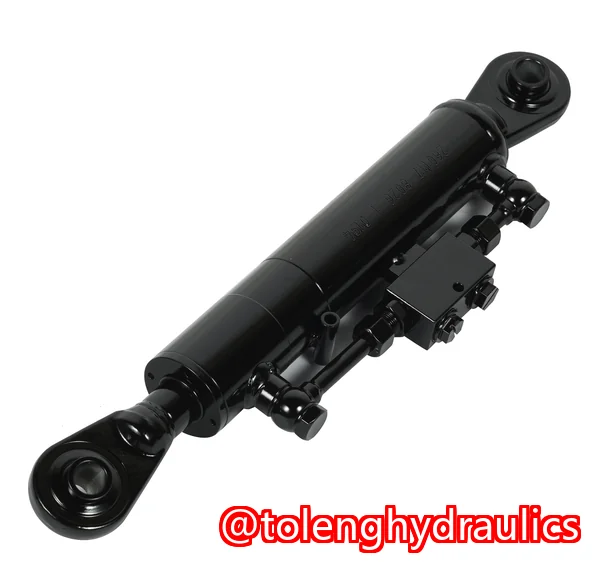
In this post, I’ll walk you through the essential steps for identifying and evaluating the quality of hydraulic cylinders, so you can prevent problems like leaking seals, rod damage, and premature wear before they even start. Whether you’re dealing with construction equipment, agricultural machinery, or industrial applications, these tips will help you make informed decisions, keep your equipment running longer, and avoid costly repairs.
The Challenges of Hydraulic Cylinder Evaluation
Hydraulic cylinders are crucial components in machinery, and the quality of the cylinder can make or break the success of an entire operation. However, determining the quality of a hydraulic cylinder isn’t always easy. I’ve worked with engineers and maintenance teams who often struggle with a few common pain points:
-
The Appearance Trap: Many cylinders look the same at first glance, making it difficult to distinguish high-quality ones from cheaper, poorly manufactured options. A shiny exterior doesn’t necessarily mean a durable, well-functioning interior.
-
Seal Quality Uncertainty: Not all seals are created equal. Choosing the wrong seal material or type can lead to early leaks and decreased performance.
-
Inconsistent Bore Finish: A poorly finished bore can cause excess wear and tear on the cylinder, leading to leaks and mechanical failure. Unfortunately, the bore finish isn’t something that can be easily identified by a quick visual inspection.
How to Inspect Hydraulic Cylinder Quality
When it comes to evaluating hydraulic cylinders, thorough inspection is key. Let’s dive into the step-by-step process for evaluating the most important components: material, seals, rods, bore finish, and mounting integrity.
1. Check the Cylinder Tube Material and Internal Bore Finish
The material of the cylinder tube and the quality of its internal finish are two of the most critical factors when determining the lifespan of a hydraulic cylinder. A high-quality cylinder tube is made from strong, durable steel, while the bore finish needs to be smooth to prevent premature wear and leaking.
Here’s how to inspect:
-
Tube Material: Ensure that the tube is made from high-strength steel. If the cylinder is for heavy-duty use, like in construction or industrial applications, ensure the steel has undergone proper heat treatment for added strength.
-
Bore Finish: A smooth bore ensures efficient sealing and minimizes wear. Look for any visible scratches, pits, or imperfections. These can cause seals to wear prematurely, resulting in leaks.
2. Inspect the Piston Rod
The piston rod plays a vital role in the performance of your hydraulic cylinder. It needs to be durable and corrosion-resistant to handle the extreme forces and environmental conditions hydraulic systems often face. If the rod has any imperfections, such as scratches, bends, or insufficient chrome plating, the cylinder’s functionality will be compromised.
Here’s what to check:
-
Rod Surface Finish: The piston rod should have a smooth, polished finish, which reduces the likelihood of seals wearing out prematurely.
-
Chrome Plating: The chrome plating on the piston rod should be thick enough to provide durability, and free of imperfections like pits or chips. A thicker plating typically offers better resistance to wear and corrosion.
-
Rod Hardness: High-quality rods are made from hardened steel. This increases their wear resistance and prevents them from bending or breaking under stress.
3. Examine the Seals and Materials Used
The seals are the most common source of hydraulic cylinder leaks. If the wrong materials are used or the seals are poorly made, you’re looking at a higher chance of failures. For example, certain seal materials may not stand up well to extreme temperatures, pressure, or specific chemicals in the hydraulic fluid.
How to inspect seals:
-
Seal Type: Different applications require different seal types. Ensure that the seals used in your cylinder are designed for your specific application, whether it’s for high pressure, extreme temperatures, or specific chemicals.
-
Material: Common seal materials include rubber, polyurethane, and PTFE. Rubber seals work well in lower-pressure applications, while polyurethane or PTFE seals are more durable for high-pressure environments.
-
Installation: Check the installation of the seals. Poor installation can lead to misalignment, damaging the seals and causing leaks.
4. Inspect the Mounting Styles and Welds
Mounting styles are another crucial factor in ensuring the durability of hydraulic cylinders. Whether you’re dealing with welded or tie-rod cylinders, checking for the integrity of the mounting points and welds is essential to prevent failures.
-
Weld Quality: Check the welds on the cylinder ends and mounting brackets. They should be uniform and free from cracks or voids. Poor welds can lead to failure, especially in high-stress applications.
-
Mounting Style: There are various mounting styles, including flange, clevis, and trunnion. Each has its specific use case, and it’s important to ensure that the style is appropriate for your application.
Why Proper Cylinder Inspection Matters
Proper inspection isn’t just about finding defects. It’s about being proactive to extend the life of your equipment and avoid costly downtime. Here’s how thorough inspection can benefit you:
-
Preventing Equipment Downtime: Regularly inspecting your cylinders ensures that you identify problems early, preventing unexpected failures that can shut down your operations.
-
Extending Cylinder Service Life: By choosing high-quality cylinders and maintaining them properly, you can maximize their service life and avoid expensive replacements.
-
Reducing Maintenance Costs: Preventative maintenance is always cheaper than fixing a problem after it occurs. By identifying quality issues upfront, you save money on repairs and replacements.
Conclusion: Make the Right Choice for Long-Term Reliability
When you’re selecting hydraulic cylinders, whether for construction, industrial, or agricultural applications, it’s important to follow the inspection guidelines I’ve shared. By checking the tube material, bore finish, rod quality, seals, and welds, you can ensure your purchase delivers long-term performance and reliability.
I highly recommend following these inspection methods for every hydraulic cylinder you purchase. Taking a few extra steps upfront can save you from costly repairs and unexpected breakdowns down the road.
Want to ensure the best quality for your next hydraulic cylinder purchase? Browse our selection of high-quality hydraulic cylinders at 🔗 Toleng Hydraulics or download our complete hydraulic cylinder inspection checklist today to help you make the best decision for your equipment needs.
Frequently Asked Questions
Q1: How can I tell if a hydraulic cylinder has quality seals?
A1: Inspect the material of the seals (rubber, polyurethane, or PTFE) and check for proper installation. Look for visible signs of wear or deformation around the seals.
Q2: What rod surface finish is best for long seal life?
A2: A smooth, polished surface finish on the piston rod is crucial for preventing seal wear. Chrome-plated rods are commonly used for increased durability.
Q3: How do I measure bore size and stroke length correctly?
A3: To measure the bore size, use a caliper to measure the internal diameter of the cylinder. For stroke length, extend the rod fully and measure the distance between the fully retracted and extended positions.
Q4: What are the signs of a poorly manufactured cylinder?
A4: Signs include visible cracks or poor welds, uneven bore finish, rough rod surface, and improper seal installation.
Q5: Which cylinder mounting styles are strongest?
A5: Welded cylinders are generally stronger, especially for heavy-duty applications, while tie-rod cylinders are easier to maintain but may be less robust.
Q6: How do I choose between welded and tie-rod cylinders?
A6: Welded cylinders are ideal for high-stress applications, while tie-rod cylinders are easier to repair and generally used for lighter-duty tasks.
Q7: What chrome plating thickness should I look for on rods?
A7: For most applications, a chrome plating thickness of at least 20 microns is recommended for optimal durability and corrosion resistance.
Tags or Keywords
-
Hydraulic cylinder quality
-
Cylinder seals
-
Rod finish
-
Bore size
-
Hydraulic cylinder maintenance
-
Cylinder inspection
-
Welded hydraulic cylinder
-
Tie-rod cylinder
-
Hydraulic cylinder buying guide
-
Cylinder failure prevention
-
Hydraulic cylinder materials

