
How to Fix a Hydraulic Cylinder That Won’t Move
When purchasing hydraulic cylinders for heavy machinery, it’s frustrating when something goes wrong. You might find yourself in a situation where a hydraulic cylinder won’t move, leaving your equipment useless. The downtime, repair costs, and disruption to your operations can be significant. One common issue I’ve encountered is the poor quality of hydraulic cylinders. Many equipment owners and maintenance engineers are unaware that premature seal failures, rod damage, or even leaks are often the result of choosing the wrong cylinder or failing to spot low-quality components.
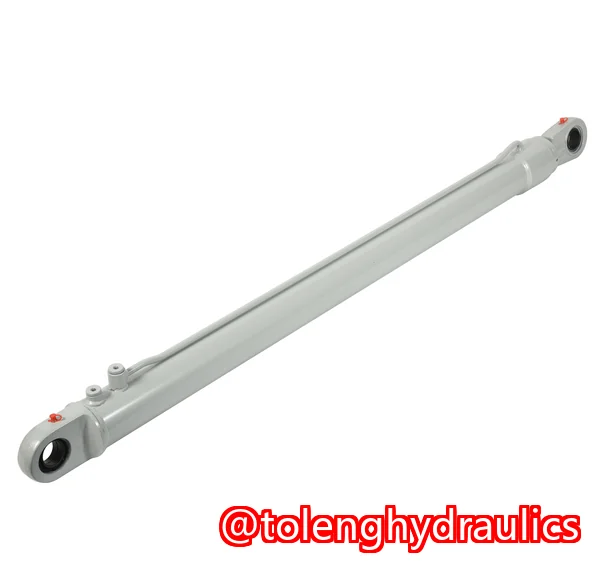
In this guide, I’ll walk you through how to spot the signs of poor-quality hydraulic cylinders, what to look for when evaluating a cylinder’s quality, and how proper inspection can save you from costly repairs and downtime. Whether you’re in the construction, industrial, or agricultural sectors, the insights here will help ensure you select reliable hydraulic cylinders for your machinery.
Common Issues with Hydraulic Cylinders
Hydraulic cylinders are critical to a wide range of equipment, from excavators and loaders to farm machinery and industrial presses. But, how can you tell when the cylinder isn’t performing at its best? Let’s explore a few pain points commonly faced by engineers and equipment managers.
1. Cylinder Seal Leaks
One of the most common issues with hydraulic cylinders is seal leakage. Over time, seals can wear out or become damaged, causing the hydraulic fluid to leak. If your hydraulic cylinder has a leak, it can lead to a loss of pressure, making it hard or impossible for the cylinder to perform its intended task.
2. Rod Damage or Bending
The piston rod is one of the most crucial parts of the hydraulic cylinder. If the rod isn’t properly manufactured or treated, it could suffer from bending or wear. A bent or damaged rod causes operational failures and can be a major contributor to poor performance and unnecessary downtime.
3. Premature Wear on Bore
Another issue that can affect the longevity of a hydraulic cylinder is an inconsistent or rough bore finish. A poor-quality bore surface will cause the seals to wear out prematurely, leading to leaks and other performance issues. The bore finish is critical to the overall efficiency of the hydraulic system, and many users overlook this during inspection.
4. Lack of Quality in Manufacturing
In many cases, the issue isn’t with the cylinder’s operation but rather with the quality of the manufacturing itself. Whether it’s weld quality, rod chrome plating thickness, or the cylinder’s overall design, low-quality manufacturing leads to increased wear, failure, and higher maintenance costs.
How to Inspect a Hydraulic Cylinder for Quality
The good news is that these issues can be avoided if you know what to look for. When you’re evaluating hydraulic cylinders, there are several things you can do to ensure you’re getting a high-quality product. Below are practical, easy-to-follow steps for inspecting key components of hydraulic cylinders.
1. Check the Cylinder Tube Material and Bore Finish
When inspecting a hydraulic cylinder, start by checking the material and finish of the tube. The cylinder tube should be made from high-quality steel or another durable material that can withstand high pressure and wear.
Next, assess the bore finish. A smooth bore finish ensures proper seal performance and minimizes wear. Look for any inconsistencies in the surface finish, such as scratches, grooves, or rough patches, as these can cause premature failure of the seals and even damage to the piston itself.
2. Inspect the Piston Rod
The piston rod is often the first part of the hydraulic cylinder to fail, particularly if it hasn’t been properly hardened or chrome-plated. Make sure the rod has a smooth, polished finish without any visible surface defects like rust, pits, or scratches. Check that the chrome plating thickness is consistent, as thin plating will wear out faster, leading to costly repairs and downtime.
You can also check for rod straightness by using a straight edge. Even a slight bend can cause misalignment in the system and affect performance. The hardness of the piston rod should also be checked using a hardness tester to ensure it has the durability necessary for demanding applications.
3. Evaluate Seal Types and Materials
Seals are one of the most important factors when selecting a hydraulic cylinder. Not all seals are created equal. The material of the seals depends on the specific application, and different materials are used to handle different types of hydraulic fluid, pressure levels, and temperatures. For example, NBR (Nitrile Butadiene Rubber) is commonly used for general applications, while Viton is used for more demanding conditions such as high temperatures or exposure to chemicals.
To inspect seals, check for any signs of wear or damage. Seals should fit snugly into their grooves without any gaps. Also, make sure the seals are made from high-quality materials that can withstand long hours of operation without degradation.
4. Verify the Weld Quality
Weld quality is another essential aspect to consider when inspecting hydraulic cylinders. Poorly welded joints can compromise the structural integrity of the cylinder, causing it to fail prematurely. Look for uniform, strong welds without cracks or gaps. The mounting areas should also be checked to ensure that they are securely welded to the cylinder body.
5. Check Cylinder Mounting Style
Different hydraulic cylinders come with various mounting styles, including welded, bolted, or tie-rod mounts. The mounting style affects the durability and strength of the cylinder. For applications requiring heavy lifting or high pressure, welded mounting styles are often the most robust and reliable. However, tie-rod cylinders offer easier maintenance and are better suited for lighter-duty applications.
Why Inspection is Crucial
Proper inspection of hydraulic cylinders isn’t just about identifying defects; it’s also about preventing issues before they start. By carefully checking the materials, seal types, rod finish, bore size, and weld quality, you can identify potential problems before the cylinder is put into operation. This proactive approach not only helps you avoid equipment downtime but also extends the lifespan of the cylinder and reduces maintenance costs.
Conclusion: Selecting a High-Quality Hydraulic Cylinder
To wrap up, I highly recommend following these inspection guidelines to ensure any hydraulic cylinder you purchase will deliver long-term reliability and performance. Whether you are buying a cylinder for construction equipment, agricultural machinery, or industrial automation, proper inspection can prevent unexpected failures and save you significant costs in the long run.
If you’re looking for high-quality hydraulic cylinders, I invite you to browse our selection of Toleng hydraulics. We offer comprehensive guides and tools to help you evaluate the true quality of hydraulic cylinders, ensuring you make the best purchasing decisions for your business.
For more information on hydraulic cylinder inspections, you can download our complete checklist today!
FAQs
-
How can I tell if a hydraulic cylinder has quality seals?
Look for seals made from high-quality materials like Viton or NBR, and ensure they fit snugly in the groove. Avoid cylinders with visible gaps or cracks in the seals.
-
What rod surface finish is best for long seal life?
A smooth, polished rod surface without pits or scratches is ideal for minimizing wear on seals. A chrome-plated rod provides additional protection and longevity.
-
How do I measure bore size and stroke length correctly?
Use a micrometer to measure the bore size accurately. For stroke length, measure from the fully extended position to the fully retracted position using a ruler or tape measure.
-
What are the signs of a poorly manufactured cylinder?
Signs of poor manufacturing include rough welds, inconsistent rod finish, uneven bore surfaces, and damaged seals.
-
Which cylinder mounting styles are strongest?
Welded mounting styles are typically stronger and more durable, especially for heavy-duty applications, compared to tie-rod cylinders.
-
How do I choose between welded and tie-rod cylinders?
Welded cylinders are ideal for high-pressure, heavy-duty applications, while tie-rod cylinders are easier to maintain and suitable for lighter-duty work.
-
What chrome plating thickness should I look for on rods?
A chrome plating thickness of at least 0.003 inches is recommended for long-term durability and wear resistance.
Tags
hydraulic cylinder quality, cylinder seals, rod finish, bore size, hydraulic cylinder maintenance, cylinder inspection, welded hydraulic cylinder, tie-rod cylinder, hydraulic cylinder buying guide, cylinder failure prevention, hydraulic cylinder materials
Explore Toleng hydraulics Software at: 🔗 https://www.tolenghydraulics.com/

