
Hydraulic Cylinder Basics Principles You Need to Know
When purchasing hydraulic cylinders for heavy equipment, I’ve learned that not all cylinders are built to last. Premature seal failure, rod damage, and leaks can bring operations to a halt and lead to costly repairs. As someone who works with construction and industrial machinery, I’ve seen firsthand how poor-quality hydraulic cylinders can impact productivity. But the good news is, with a little knowledge and the right inspection methods, you can avoid these pitfalls and make an informed purchase that keeps your equipment running smoothly.
In this guide, I’ll walk you through the essential principles of hydraulic cylinder quality. We’ll cover everything from identifying key signs of quality to performing simple yet effective inspections that will save you time, money, and frustration. By the end, you’ll be equipped to choose hydraulic cylinders that will stand the test of time and deliver maximum performance.
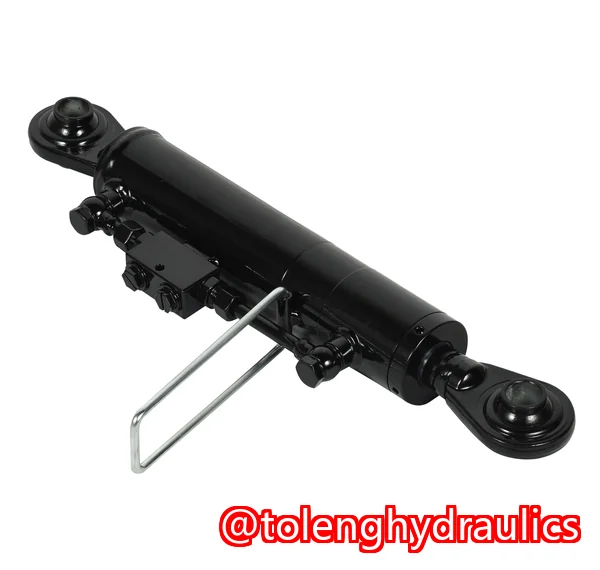
Identifying High-Quality Hydraulic Cylinders
Before diving into the inspection techniques, it’s important to know what makes a hydraulic cylinder truly high-quality. A hydraulic cylinder is more than just a metal tube; it’s a critical component that powers machinery in construction, agriculture, and industrial automation. Whether it’s powering a loader arm or controlling the tilt of a dump truck, these cylinders are under constant pressure and must perform flawlessly.
However, distinguishing between a high-quality hydraulic cylinder and a subpar one can be tricky, especially when you’re facing pressure to get the right equipment quickly. Here’s a breakdown of the key components that determine hydraulic cylinder quality:
1. Cylinder Tube Material and Bore Finish
The material of the cylinder tube and its internal bore finish are fundamental to cylinder performance. A well-machined bore is essential for smooth piston movement and proper sealing. Poor finishes can lead to wear, increasing friction and causing premature seal failure. When inspecting a cylinder, make sure to check:
-
Bore size and finish: A fine, smooth bore reduces friction and wear.
-
Material integrity: Ensure the cylinder is made from high-quality steel to withstand high pressure without cracking.
2. Piston Rod Hardness and Surface Finish
The piston rod is the component that extends and retracts, delivering the hydraulic force. It’s crucial that this rod is hardened and chrome-plated for durability. Here’s what you should look for:
-
Hardness: A hard rod ensures resistance to wear and damage.
-
Chrome plating: The thickness of the chrome plating affects its resistance to corrosion and wear.
-
Surface finish: A smooth finish prevents seal damage and improves sealing effectiveness.
3. Seals and Seal Materials
The seals inside a hydraulic cylinder prevent hydraulic fluid leaks and ensure efficient power transfer. The materials used in seals are critical for performance and durability. Common issues include seal wear and leakage, which often occur if the seals are made of low-quality materials or improperly installed.
-
Material type: Seals made from materials like polyurethane or nitrile offer excellent resistance to wear and tear.
-
Installation: Check for signs of improper installation, such as bent or damaged seals, which can cause premature leakage.
4. Mounting and Welding Quality
The mounting style of a hydraulic cylinder determines how it attaches to equipment, and it can have a huge impact on durability. Properly welded mounts ensure the cylinder stays firmly in place and withstands the stresses of operation. A weak mount can lead to cylinder misalignment, premature wear, or even total failure.
-
Weld quality: Inspect for clean, smooth welds that indicate durability and strength.
-
Mounting style: Choose between welded, tie-rod, or flange mounts depending on your application needs.
Practical Tips for Inspecting Hydraulic Cylinders
Now that you know what to look for, let’s dive into the actual inspection process. Here’s a step-by-step guide on how to evaluate hydraulic cylinders for quality, whether you’re buying them or assessing the ones already in your equipment.
1. Measure the Bore Size and Rod Diameter
Accuracy is key when measuring the bore and rod diameter. These dimensions must match the specifications to ensure proper fit and function. Use calipers to check the bore size and make sure the piston will slide smoothly without unnecessary resistance.
2. Check for Rod Straightness and Surface Defects
The piston rod must be perfectly straight to avoid uneven wear on seals and the cylinder bore. Lay the rod on a flat surface and use a level or straightedge to check for any bends. Also, inspect the rod’s surface for any scratches or imperfections that could damage seals.
3. Inspect the Seals
As mentioned earlier, seals are critical to the cylinder’s longevity. Here are some signs that the seals may be of poor quality:
-
Hard or brittle seals: These may crack or wear prematurely.
-
Leaks: If you notice fluid leakage around the seals, it’s a clear sign they’re not functioning properly.
-
Improper installation: Seals should be installed without any twists or damage.
4. Evaluate Welds and Mounts
Examine the welds at the ends of the cylinder and the mounting points. Quality welds should be clean, uniform, and free from cracks. Mounting points should be designed to withstand the forces of your specific application without flexing or failing under pressure.
5. Verify Chrome Plating Thickness
The chrome plating on the piston rod plays an important role in corrosion resistance. To ensure quality, you can measure the plating thickness with a specialized tool or ask for documentation on the manufacturer’s plating process.
Why Proper Inspection is Critical
Taking the time to inspect hydraulic cylinders thoroughly before purchase or installation offers several benefits:
-
Avoid costly downtime: By identifying potential issues early, you can prevent equipment failures that lead to unplanned downtime and expensive repairs.
-
Extend service life: Choosing high-quality cylinders that are properly installed can significantly extend their service life.
-
Reduce maintenance costs: Regular inspections help you catch issues before they become costly problems, saving you money on repairs and replacements.
Conclusion: Choose Wisely, Inspect Thoroughly
As you can see, hydraulic cylinders are not just simple components; they’re complex parts that require careful consideration and regular maintenance. I highly recommend following these inspection guidelines to ensure any hydraulic cylinder purchase delivers long-term reliability and performance. The investment in quality cylinders up front will pay off with fewer repairs, extended equipment life, and better productivity.
For more information and to browse our selection of high-quality hydraulic cylinders, visit 🔗 Toleng Hydraulics. To ensure you’re selecting the best products, don’t forget to download our complete hydraulic cylinder inspection checklist today.
Frequently Asked Questions (FAQs)
1. How can I tell if a hydraulic cylinder has quality seals?
Look for seals made from durable materials such as polyurethane or nitrile. Inspect for any signs of wear, damage, or improper installation, such as cracking or brittleness.
2. What rod surface finish is best for long seal life?
A smooth, hard chrome-plated surface is ideal for preventing seal wear and ensuring a long lifespan.
3. How do I measure bore size and stroke length correctly?
Use calipers to measure the cylinder’s internal bore diameter, and measure the stroke length by extending the piston fully and calculating the distance.
4. What are the signs of a poorly manufactured cylinder?
Look for poor welds, weak mounting points, irregular surface finishes on the rod, or uneven bore finishes. These issues can lead to premature failure.
5. Which cylinder mounting styles are strongest?
Welded and tie-rod cylinders tend to be more durable than flanged cylinders, especially for heavy-duty applications.
6. How do I choose between welded and tie-rod cylinders?
Welded cylinders are generally stronger and more compact, while tie-rod cylinders are easier to maintain and repair.
7. What chrome plating thickness should I look for on rods?
Look for a chrome plating thickness of at least 20 microns for optimal durability and corrosion resistance.
Tags or Keywords
-
hydraulic cylinder quality
-
cylinder seals
-
rod finish
-
bore size
-
hydraulic cylinder maintenance
-
cylinder inspection
-
welded hydraulic cylinder
-
tie-rod cylinder
-
hydraulic cylinder buying guide
-
cylinder failure prevention
-
hydraulic cylinder materials

