
Common Causes of Hydraulic Cylinder Failure And How to Prevent Them
When purchasing hydraulic cylinders for heavy equipment, I’ve learned that not all cylinders are built to last. Premature seal failure, rod damage, and leaks can bring operations to a halt. These issues can be both costly and frustrating, especially when they lead to unexpected downtime, loss of productivity, and expensive replacements.
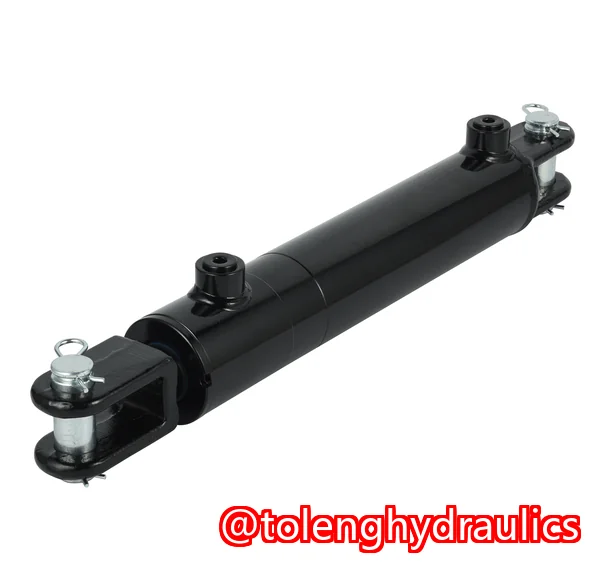
Understanding the root causes of hydraulic cylinder failures and how to identify high-quality components is crucial for ensuring the reliability and longevity of your equipment. Here, I’ll walk you through common causes of failure, how to assess cylinder quality, and practical tips for selecting durable, performance-driven hydraulic cylinders. Let’s dive into the process of ensuring you make the right choice for your equipment needs.
Common Pain Points When Evaluating Hydraulic Cylinders
As someone who’s spent years in the machinery and equipment industry, I can tell you that one of the most challenging parts of hydraulic cylinder procurement is distinguishing between high-quality and subpar cylinders. Here are a few pain points that often come up:
-
Difficulty Assessing Cylinder Quality by Appearance Alone: Many times, the external look of a hydraulic cylinder might look fine, but there’s much more happening under the surface. It’s easy to get distracted by shiny finishes or polished exteriors, but those can be deceptive. Internal factors such as bore finish, seal quality, and rod hardness play a significant role in the cylinder’s overall durability.
-
Uncertainty About Seal Materials and Rod Surface Finishes: Seals are often the first component to fail, but how do you know if you’re choosing the right type of seal? Similarly, rod surface finish can impact how long a seal lasts, making it vital to know what to look for.
-
Inconsistent Bore Finishes: A poorly finished bore can cause premature wear on seals and rods, leading to leaks or inefficient operation. This is something often overlooked, but it’s crucial for long-term cylinder performance.
How to Inspect Hydraulic Cylinders for Quality
When I talk about inspecting hydraulic cylinders, it’s about ensuring you can trust your purchase, avoid costly mistakes, and ultimately increase the lifespan of your equipment. Here’s a step-by-step guide to inspecting hydraulic cylinders effectively:
1. Check the Cylinder Tube Material and Bore Finish
The material of the cylinder tube directly impacts the durability and performance. A cylinder made from high-quality steel ensures it can withstand high pressures without warping or cracking. For a smooth and efficient operation, the internal bore finish is just as important. A poor bore finish can result in excessive wear on the seals, leading to hydraulic fluid leaks.
Tip: Look for a cylinder with a finely honed bore that offers a mirror-like finish. This smoothness helps prevent wear on seals and reduces friction, improving overall efficiency.
2. Inspect the Piston Rod Hardness and Surface Finish
The piston rod is subjected to significant stresses during operation, making its quality crucial. The hardness of the rod affects its ability to resist bending and wear. Chrome plating is often applied to piston rods to reduce wear and improve corrosion resistance, but the thickness of the chrome layer is key to ensuring longevity.
Tip: A high-quality rod will have a uniform chrome plating layer that’s thick enough to resist abrasion. Be wary of thin plating or visible defects like pitting, which can lead to early failure.
3. Evaluate Seal Types and Materials
Different applications demand different seal types. For instance, harsh environments or high-temperature settings require seals made of more durable materials like polyurethane or PTFE (Teflon). Choosing the wrong seal type for a specific application can lead to premature failure, so it’s essential to match seals with operational conditions.
Tip: When evaluating seals, check for tight tolerances and high-quality materials. Polyurethane and nitrile rubber seals are good for most construction applications, but for high-temperature environments, you’ll want to opt for seals made from advanced materials like PTFE or Viton.
4. Examine Weld Quality on Cylinder Ends and Mounts
The welds on cylinder ends and mounts bear the brunt of pressure during operations. Poor weld quality can lead to cracked or broken mounts, resulting in dangerous failures. A strong, uniform weld ensures that the cylinder’s structural integrity is maintained, even under heavy loads.
Tip: Inspect welds for smoothness and uniformity. A good weld will be free of cracks, pitting, or unevenness. If possible, ask for a quality certification or inspect the welds using non-destructive testing methods such as ultrasonic testing.
5. Verify Mounting Style and Port Threads
Depending on the type of application, hydraulic cylinders come with different mounting styles, such as flange mounts, clevis mounts, and trunnion mounts. Each has its own advantages based on the type of equipment and forces it will face. Additionally, inspecting the port threads and fitting quality ensures a proper seal and prevents leakage.
Tip: Check that the mounting style fits your equipment and that the threads are free of damage. A cracked or damaged thread can lead to leaks, leading to inefficiency and safety concerns.
Why Proper Inspection Is Crucial
When you inspect hydraulic cylinders properly, you can identify issues before they become catastrophic. Here’s why these inspection practices are so important:
-
Avoid Costly Equipment Downtime: Hydraulic cylinder failures can cause your entire machine to break down, resulting in expensive repairs and unexpected downtime. By evaluating the cylinder’s quality, you minimize the risk of failures that can cost your business both time and money.
-
Extend Cylinder Service Life: A well-maintained hydraulic cylinder can last years longer than a poorly chosen one. By ensuring you’re selecting cylinders with the right materials and quality, you extend their lifespan and reduce the frequency of replacements.
-
Reduce Maintenance Costs: Identifying quality issues early helps avoid costly maintenance repairs down the line. A faulty cylinder could lead to seal leaks, which might damage other parts of your equipment, increasing repair costs.
Conclusion: Ensuring Long-Term Reliability and Performance
I highly recommend following these inspection guidelines to ensure any hydraulic cylinder purchase delivers long-term reliability and performance. By checking the cylinder’s tube material, inspecting the piston rod, evaluating the seals and rod finishes, and verifying weld quality, you significantly increase the chances of buying a reliable and durable product.
If you’re looking for high-quality, reliable hydraulic cylinders that can stand the test of time, I invite you to browse our selection of Toleng Hydraulics. We offer a comprehensive range of hydraulic cylinders designed for industrial, agricultural, and construction applications.
🔗 Browse our selection of high-quality hydraulic cylinders: https://www.tolenghydraulics.com/
Additionally, to help you stay on top of your inspections, download our complete hydraulic cylinder inspection checklist today.
FAQ
1. How can I tell if a hydraulic cylinder has quality seals?
Quality seals should be uniform, free from visible defects, and made from durable materials like polyurethane, nitrile, or Viton. Always match the seal type to your application.
2. What rod surface finish is best for long seal life?
A smooth, mirror-like finish on the piston rod helps reduce friction and wear on seals. Chrome-plated rods with a uniform coating are ideal for long-lasting performance.
3. How do I measure bore size and stroke length correctly?
Use precise calipers or micrometers to measure the internal diameter of the bore and the total stroke length. Accurate measurements prevent issues during installation and operation.
4. What are the signs of a poorly manufactured cylinder?
Look for signs such as uneven welds, poor surface finishes, thin chrome plating, and improper threading. These can all signal substandard manufacturing.
5. Which cylinder mounting styles are strongest?
Welded mounting styles are generally stronger than tie-rod configurations, making them more suited for heavy-duty applications. However, the right choice depends on the specific use case.
6. How do I choose between welded and tie-rod cylinders?
Welded cylinders are best for high-pressure, heavy-duty applications. Tie-rod cylinders are more cost-effective and suitable for lower-pressure applications.
7. What chrome plating thickness should I look for on rods?
A good chrome plating should be at least 0.5 mm thick. This ensures adequate protection against wear, corrosion, and damage.
Tags or Keywords
-
Hydraulic cylinder quality, cylinder seals, rod finish, bore size, hydraulic cylinder maintenance, cylinder inspection, welded hydraulic cylinder, tie-rod cylinder, hydraulic cylinder buying guide, cylinder failure prevention, hydraulic cylinder materials

