
Hydraulic Cylinder Won’t Retract Troubleshooting Tips
When it comes to heavy-duty machinery, a hydraulic cylinder is one of the most essential components, playing a pivotal role in moving parts of equipment in industries like construction, agriculture, and industrial automation. But what happens when your hydraulic cylinder won’t retract as it should? Well, that’s a real issue you don’t want to ignore. A failure to retract can lead to all sorts of problems, including downtime, reduced productivity, and potentially costly repairs. Fortunately, there are clear ways to troubleshoot this issue, identify the root cause, and get your cylinder running smoothly again.
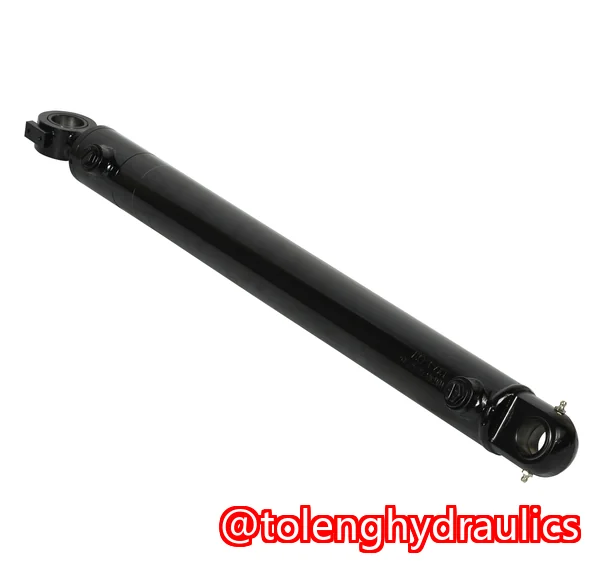
In this article, I’ll walk you through common reasons why a hydraulic cylinder might fail to retract, practical tips for inspecting your cylinders, and how you can ensure you’re always using high-quality hydraulic cylinders that will stand the test of time.
Common Hydraulic Cylinder Issues
When evaluating hydraulic cylinders, you need to pay attention to a variety of factors that can contribute to issues like the cylinder not retracting properly. Let’s break down some of the most common pain points that affect performance:
1. Seal Failures
Seals are crucial in ensuring that hydraulic fluid remains contained within the system and doesn’t leak out. If the seals in a cylinder fail, hydraulic pressure may be lost, causing the cylinder to behave unpredictably, such as not retracting.
2. Rod Damage or Deformation
The piston rod is subjected to extreme pressure and wear. Over time, damage can occur in the form of bends, cracks, or surface degradation. A bent rod can easily lead to malfunctions like failure to retract properly, as the rod may be misaligned or jammed in the cylinder.
3. Insufficient Hydraulic Fluid
Sometimes, the problem is simple: low hydraulic fluid levels can cause the cylinder to operate improperly. If there’s not enough fluid to generate the necessary pressure, retraction may fail.
4. Improperly Sized or Worn-Out Seals
Over time, seals can wear down or become degraded due to exposure to harsh conditions, including temperature fluctuations, contaminants, or improper installation. Poor-quality seals can cause the cylinder to lose its ability to retract or extend properly.
5. Contamination
Contaminants in the hydraulic fluid, such as dirt or debris, can cause issues with the seals and other internal components of the cylinder. When contaminants interfere with the system, it can lead to excessive wear and even a complete failure to retract.
Step-by-Step Guide to Troubleshooting Hydraulic Cylinder Issues
Now, let’s go over some practical troubleshooting methods to help you figure out what’s going wrong with your hydraulic cylinder. With these inspection tips, you’ll be able to spot potential issues early and make better purchasing decisions for future equipment needs.
1. Inspect the Cylinder Seals
Seals are essential for preventing leaks, but they’re also often the first parts to wear out or fail. Here’s what you should look for:
-
Visual Inspection: Check for any visible cracks, tears, or excessive wear on the seals. If the seal is damaged, it can lead to leakage, which reduces pressure and affects performance.
-
Seal Materials: Make sure that the seals used are appropriate for the conditions of your application (e.g., high heat, extreme pressure). Some seal materials are better suited for specific applications like construction machinery or industrial automation.
2. Examine the Piston Rod
The piston rod is another critical component of a hydraulic cylinder. If the rod is bent or damaged, it can prevent the cylinder from retracting smoothly.
-
Check for Bends: Use a straight edge or a dial indicator to ensure that the piston rod is perfectly straight. Even a slight bend can cause problems.
-
Rod Surface Finish: Inspect the surface finish of the rod for any signs of corrosion, scratches, or pitting. These imperfections can damage the seals and lead to failure.
-
Rod Hardness: The rod should have a high level of hardness to resist wear and abrasion. It’s essential to check if the chrome plating is thick enough for the application.
3. Check the Bore Finish
The bore of the cylinder, which houses the piston, needs to be smooth and free of imperfections to allow smooth movement.
-
Inspect the Surface Finish: Check for any scratches, grooves, or rough spots inside the bore. These imperfections can accelerate wear on seals and the piston.
-
Bore Size: If the bore size doesn’t match the manufacturer’s specifications, it can result in poor performance, including failure to retract. Ensure that you measure the bore size accurately.
4. Inspect the Hydraulic Fluid and Pressure
Hydraulic fluid levels should be checked regularly. If the fluid is low, this can cause loss of pressure, resulting in improper retraction.
-
Fluid Levels: Keep an eye on the fluid levels and refill them as needed.
-
Fluid Contamination: Ensure that the fluid is clean and free of contaminants. A filtration system can help prevent dirt and debris from damaging the internal components of the cylinder.
5. Check the Mounting and Alignment
If the cylinder is not mounted properly or if the alignment is off, this can cause the piston to bind during retraction.
-
Mounting Quality: Check the welds, brackets, and mounting holes for any signs of wear or damage.
-
Alignment: Ensure that the cylinder is aligned properly with the load and other moving parts. Misalignment can lead to uneven wear and failure.
Best Practices for Preventing Hydraulic Cylinder Failures
To extend the lifespan of your hydraulic cylinders and avoid unexpected downtime, it’s essential to conduct regular inspections and address small issues before they become big problems. Here are some best practices:
-
Routine Maintenance: Always follow the manufacturer’s recommended maintenance schedule, including inspecting seals, rod finishes, and fluid levels.
-
Proper Cylinder Selection: Not all hydraulic cylinders are created equal. Make sure you’re using a cylinder that’s specifically designed for the demands of your equipment. Choose high-quality materials and robust designs.
-
Choose a Reputable Manufacturer: Opt for manufacturers like Toleng Hydraulics, which offers durable, high-quality hydraulic cylinders designed to meet the demands of various industries, from construction to agriculture.
-
Avoid Overloading: Excessive loads can damage the seals and other components. Always operate equipment within the recommended load limits.
Conclusion
When hydraulic cylinders don’t retract as they should, the underlying causes can range from simple issues like low fluid levels to more complex problems like poor-quality seals or rod damage. By conducting thorough inspections and understanding the signs of potential failure, you can identify these issues early and avoid costly downtime or repairs.
I highly recommend following these inspection guidelines to ensure any hydraulic cylinder purchase delivers long-term reliability and performance. Remember that the key to preventing problems is consistent maintenance and choosing high-quality products from trusted manufacturers.
For high-quality hydraulic cylinders and further resources, check out our selection at 🔗 Toleng Hydraulics. And don’t forget to download our comprehensive hydraulic cylinder inspection checklist to ensure you’re always ready for smooth operations.
FAQs
How can I tell if a hydraulic cylinder has quality seals?
Look for seals that are made of high-quality materials suited to your application. Signs of quality include smooth finishes, proper fit, and resistance to abrasion. If the seals are too soft or brittle, they may fail prematurely.
What rod surface finish is best for long seal life?
A smooth, polished rod surface with a thick chrome plating is ideal for reducing wear on seals and ensuring longevity.
How do I measure bore size and stroke length correctly?
Use a caliper to measure the internal diameter of the cylinder for the bore size. To measure stroke length, extend the piston fully and measure from the cylinder’s end to the piston’s end.
What are the signs of a poorly manufactured cylinder?
Common signs include rough finishes, inconsistent welds, poor alignment, and low-quality seals. These factors can result in premature failure.
Which cylinder mounting styles are strongest?
Welded cylinders are often stronger and more durable compared to tie-rod cylinders. They tend to handle higher pressures and are more rigid.
How do I choose between welded and tie-rod cylinders?
Welded cylinders are ideal for applications requiring higher pressure and durability. Tie-rod cylinders are more flexible and easier to repair, making them a good choice for lower-pressure applications.
What chrome plating thickness should I look for on rods?
Look for a chrome plating thickness of at least 0.002 inches (2 microns). This provides sufficient protection against wear and corrosion while ensuring smooth rod movement.
Keywords:
hydraulic cylinder quality, cylinder seals, rod finish, bore size, hydraulic cylinder maintenance, cylinder inspection, welded hydraulic cylinder, tie-rod cylinder, hydraulic cylinder buying guide, cylinder failure prevention, hydraulic cylinder materials

