
Overheating Hydraulic Cylinders Causes and Cooling Tips
When dealing with heavy equipment or machinery, there’s one problem that can bring everything to a screeching halt: overheating hydraulic cylinders. Whether you’re managing a construction project, running agricultural equipment, or handling industrial machinery, you rely on hydraulic systems to function efficiently. However, once these systems begin to overheat, it can lead to serious damageresulting in costly repairs and expensive downtime.
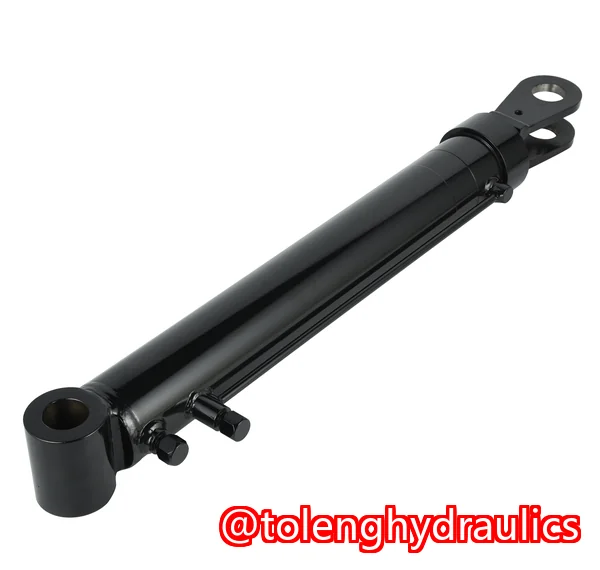
As someone who has worked with hydraulic cylinders for years, I’ve seen firsthand the impact overheating can have on equipment performance. A common concern I often hear from engineers and maintenance teams is, “What causes hydraulic cylinders to overheat, and how can we prevent it?” This is a crucial question, and in this blog, I’ll walk you through the causes of hydraulic cylinder overheating, along with tips to cool them down and extend their life.
Common Causes of Overheating Hydraulic Cylinders
Overheating hydraulic cylinders can lead to system failures, seal leaks, and poor performance. But what’s causing it? Here are a few of the most common culprits:
1. Inadequate Cooling System
Hydraulic cylinders rely on a cooling system to regulate temperature. If the cooling system is poorly designed or malfunctioning, the temperature can rise rapidly. This may be due to insufficient oil flow or a clogged radiator, making it harder for the system to cool down.
2. Excessive Load
Running hydraulic systems under excessive loads or using them beyond their recommended capacity can cause the fluid to overheat. The hydraulic fluid generates heat during operation, and if the system is overworked, it can’t dissipate heat efficiently.
3. High Operating Pressures
Operating a hydraulic cylinder at high pressures for extended periods can cause significant heat build-up. If the pressure exceeds the recommended level, the hydraulic fluid’s viscosity decreases, leading to inadequate lubrication, which further contributes to overheating.
4. Contaminated Hydraulic Fluid
When hydraulic fluid becomes contaminated with dirt, water, or air, it loses its ability to transfer heat effectively. Contaminants can cause friction, reducing the fluid’s efficiency and increasing the chances of overheating.
5. Faulty Seals
Seals that are worn or damaged can lead to internal leakage and loss of pressure. The resulting friction can generate excess heat within the hydraulic system, causing the temperature to spike.
Practical Tips for Preventing Overheating
Now that we’ve covered the causes, let’s focus on the solutions. Here are some practical tips for preventing overheating in your hydraulic cylinders:
1. Ensure Proper Cooling System Maintenance
Maintaining the cooling system is essential for keeping your hydraulic cylinders operating at the right temperature. Check for clogged air vents, radiators, or oil coolers, and ensure that there’s sufficient airflow to dissipate the heat. Regularly clean or replace air filters to prevent dirt and debris from obstructing the system.
2. Match Load with Cylinder Capacity
Before purchasing a hydraulic cylinder, it’s important to ensure that it’s designed for the load it will bear. Running a cylinder beyond its maximum load will cause overheating and can lead to permanent damage. Always check the cylinder’s specifications and choose one that can handle the expected loads.
3. Monitor Hydraulic Fluid Quality
Ensure that your hydraulic fluid is clean and uncontaminated. Regularly check the fluid’s viscosity and replace it when it shows signs of contamination. The cleaner the fluid, the more effectively it will transfer heat. In addition, always use the recommended hydraulic fluid for your system to ensure smooth operation.
4. Inspect Seals and Rod Finish Regularly
Hydraulic seals play a critical role in keeping the system operating efficiently. Over time, seals can wear down or become damaged, causing internal leaks that lead to overheating. Be sure to inspect the seals regularly for signs of wear or damage. Also, the rod surface finish can impact the seal life, so make sure it’s smooth and free of defects that could cause premature wear.
5. Optimize Operating Pressure
Running the hydraulic system at the correct pressure is essential to prevent overheating. High pressures cause friction and heat buildup, leading to system inefficiencies. Ensure that the pressure settings are within the manufacturer’s recommended range to keep things running smoothly.
6. Use a Reliable Hydraulic Cylinder Brand
Selecting the right hydraulic cylinder can make a world of difference. Toleng hydraulics are specifically designed to perform well under demanding conditions, preventing overheating and failure. These cylinders feature high-quality materials, durable seals, and precise rod finishes, which contribute to long-lasting performance.
How to Inspect Your Hydraulic Cylinders for Overheating Prevention
In order to ensure your hydraulic cylinders are running at optimal temperatures, it’s essential to know what to look for during inspections. Here’s a simple checklist you can follow:
-
Cylinder Tube Material: Check for any signs of corrosion or damage that could affect the cylinder’s performance. Corroded tubes may not dissipate heat properly.
-
Piston Rod Surface Finish: Examine the rod for smoothness and integrity. A rough surface can damage seals and cause friction, leading to overheating.
-
Seal Quality: Inspect the seals for wear or cracks. Poor seals lead to internal leakage, causing heat buildup.
-
Bore Finish: Check the cylinder bore for inconsistencies or rough areas that may cause excessive friction.
-
Fluid Viscosity and Contaminants: Regularly test the hydraulic fluid for contaminants and monitor its viscosity. Overheated fluid tends to lose its lubricating properties, which worsens the overheating problem.
-
Mounting Integrity: Examine the cylinder’s mounting points for wear or misalignment that could lead to system inefficiencies.
By keeping a close eye on these aspects, you’ll be able to catch early signs of potential issues before they lead to costly repairs.
The Importance of Choosing a High-Quality Hydraulic Cylinder
The quality of the hydraulic cylinder you choose plays a huge role in its ability to withstand high temperatures and avoid overheating. I highly recommend selecting a hydraulic cylinder from a trusted manufacturer like Toleng. Their hydraulic cylinders are built to handle extreme conditions, providing reliable performance in construction, industrial, agricultural, and mobile applications.
With proper inspection, maintenance, and the right hydraulic cylinder, you can significantly reduce the risk of overheating and extend the lifespan of your equipment.
Conclusion: Protect Your Equipment from Overheating
Overheating hydraulic cylinders are a serious problem, but they are also a preventable one. By understanding the common causes and applying the right preventive measures, you can keep your equipment running smoothly and avoid costly downtime. I highly recommend following these inspection guidelines to ensure any hydraulic cylinder purchase delivers long-term reliability and performance.
To ensure you’re using the best quality cylinders, check out our full range of hydraulic cylinders at Toleng. 🔗 Browse our selection of high-quality hydraulic cylinders here and keep your equipment running at optimal efficiency.
FAQs
-
How can I tell if a hydraulic cylinder has quality seals?
-
Look for any signs of wear or damage on the seals. High-quality seals should fit tightly and show no signs of cracking or hardening. Also, inspect the cylinder for leaks around the seals during operation.
-
-
What rod surface finish is best for long seal life?
-
A smooth, hard chrome-plated rod finish is ideal for extending seal life. It reduces friction and prevents abrasion, which helps in keeping seals intact for longer periods.
-
-
How do I measure bore size and stroke length correctly?
-
Use a micrometer to measure the internal diameter of the cylinder bore. For stroke length, measure the distance the piston travels when fully extended and retracted.
-
-
What are the signs of a poorly manufactured cylinder?
-
Look for inconsistent rod finishes, poorly aligned welds, and irregular bore finishes. These defects can lead to overheating, inefficient operation, and premature failure.
-
-
Which cylinder mounting styles are strongest?
-
Welded mounting styles tend to be stronger and more durable, especially in heavy-duty applications. Tie-rod cylinders are also common, but welded styles are generally preferred for their durability.
-
-
How do I choose between welded and tie-rod cylinders?
-
Welded cylinders are often more robust and suitable for heavy-duty applications, whereas tie-rod cylinders are more commonly used in lighter, less demanding environments.
-
-
What chrome plating thickness should I look for on rods?
-
A chrome plating thickness of around 0.001 to 0.003 inches is ideal for most applications. This thickness ensures a smooth surface while providing corrosion resistance and minimizing wear.
-
Tags or Keywords
-
Hydraulic cylinder quality, cylinder seals, rod finish, bore size, hydraulic cylinder maintenance, cylinder inspection, welded hydraulic cylinder, tie-rod cylinder, hydraulic cylinder buying guide, cylinder failure prevention, hydraulic cylinder materials

