
Hydraulic Fluid Contamination: How It Ruins Your Cylinders
When you’re out in the field, whether on a construction site, in an agricultural operation, or running industrial machinery, the last thing you want is for your hydraulic cylinders to fail unexpectedly. A sudden breakdown can result in costly downtime, delays, and repairs. As someone who has seen hydraulic cylinders fail firsthand, I can tell you that many of these issues come from one overlooked culprit: hydraulic fluid contamination. Even small particles in your hydraulic fluid can cause major damage to your cylinders, seals, and rods. Let’s dive into how contamination ruins hydraulic cylinders and, more importantly, how you can prevent it.
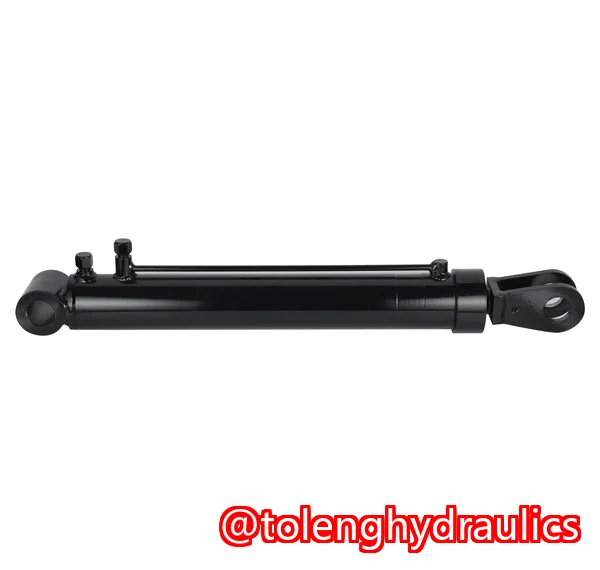
The Hidden Dangers of Hydraulic Fluid Contamination
Hydraulic fluid contamination is often invisible to the naked eye. Tiny particles, dirt, and even water can enter your hydraulic system and cause havoc. When these contaminants circulate through your system, they can have disastrous effects on your hydraulic cylinders. Here are a few of the ways contamination can ruin your equipment:
1. Seal Damage
Contaminants like dirt and debris are abrasive. They can wear down the seals inside your hydraulic cylinders, leading to leaks. When seals fail, it doesn’t just cause a loss of fluid; it also impacts the cylinder’s performance, leading to erratic movements, reduced efficiency, and even more serious failures if left unchecked.
2. Rod and Piston Damage
The piston rod and rod seals are especially vulnerable to contamination. Even tiny particles can scratch and damage the rod, leading to pitting. This damage compromises the rod’s ability to function properly, potentially causing it to seize, leak, or even break under pressure. Over time, this could lead to total cylinder failure.
3. Bore Finish Degradation
The bore inside the cylinder is another critical component. If contaminants settle here, they can wear down the bore finish, resulting in uneven surfaces that lead to early wear on seals and piston rods. As the surface degrades, you could face reduced sealing performance, leading to more leaks and eventually premature cylinder failure.
Why Does Hydraulic Fluid Contamination Happen?
Contamination can happen in several ways, and it’s often unavoidable, especially in harsh working environments. However, poor maintenance practices can increase the likelihood of contamination and accelerate damage. Let’s look at some common causes:
-
Improper Fluid Handling: Whether it’s during storage, transportation, or filling, improperly handled hydraulic fluid can become contaminated by dust, dirt, or other debris.
-
Old or Poor-Quality Fluids: Using hydraulic fluid that has broken down or is of poor quality can introduce contaminants. Always make sure to use the right fluid for the system and change it according to manufacturer recommendations.
-
Damaged Seals and Breathers: Even the best-quality seals wear out over time. If your seals are cracked or damaged, it’s easy for dirt and moisture to get into the system. Similarly, damaged breathers can allow outside contaminants to enter the hydraulic system.
How to Prevent Contamination and Protect Your Cylinders
The good news is that hydraulic fluid contamination is preventable with the right precautions. As someone who’s worked extensively with hydraulic cylinders, here’s how I recommend preventing contamination and extending the life of your hydraulic equipment.
1. Use High-Quality Hydraulic Fluid
Invest in high-quality hydraulic fluid that’s designed for the specific conditions of your operation. Fluid that is formulated to resist contamination and wear will help reduce the likelihood of damage. Always check the fluid’s condition and change it regularly as part of your maintenance schedule.
2. Proper Sealing and Maintenance
Regularly inspect your seals and replace them before they start to show signs of wear. When seals fail, contaminants get in, and it’s a snowball effect from there. Keeping the seals in good condition ensures the fluid stays clean.
3. Monitor Fluid Cleanliness
If you’re serious about avoiding contamination, use filtration systems and cleanliness indicators to monitor the health of your hydraulic fluid. Filtration systems catch debris before it can enter the cylinders and cause damage. Plus, regularly checking for particulate contamination can help you identify problems early.
4. Perform Regular Inspections
The best way to catch contamination issues before they lead to catastrophic failure is by performing regular inspections. Here’s a quick inspection checklist to help you evaluate your hydraulic cylinders and prevent problems from escalating:
-
Inspect the Cylinder Tube: Check for signs of scoring, wear, or contamination. If the internal bore is dirty or damaged, you’ll need to clean or replace it before further damage occurs.
-
Examine the Piston Rod: Look for any visible damage, such as scratches, pits, or discoloration. A damaged piston rod should be replaced to prevent further issues down the line.
-
Check the Seals: Look for any leaks or signs of wear. If you notice fluid escaping from the seals, they need to be replaced immediately to avoid further damage.
-
Look for Contamination: Inspect the fluid itself. If it appears cloudy, contains visible particles, or has a burnt odor, it’s time for a fluid change.
5. Proper Mounting and Installation
To prevent contamination, ensure your cylinders are installed properly. A misaligned cylinder or poor mounting can cause stress on the seals and lead to fluid leaks. Make sure all fittings are tight and that the cylinder is securely mounted to reduce movement or vibration.
Why Toleng Hydraulics is Your Solution
At Toleng, we understand the critical role that hydraulic cylinders play in keeping your machinery running. Our comprehensive guide and inspection tools help engineers, maintenance professionals, and equipment buyers evaluate the true quality of hydraulic cylinders. Here’s how our products help:
-
Premium Materials: We use only the highest quality materials for the construction of our cylinders, including durable seals and high-strength rods, which are more resistant to contamination and wear.
-
Advanced Inspection Standards: Each Toleng hydraulic cylinder undergoes rigorous quality control, ensuring they meet the highest standards of performance, durability, and reliability.
-
Customizable to Your Needs: Whether you’re in construction, agriculture, or industrial automation, we can provide the right cylinders for your needs, tailored to your exact specifications.
By choosing Toleng, you’re investing in cylinders that stand up to the harshest environments and last longer, saving you money in the long run.
Conclusion
Hydraulic fluid contamination is a major cause of premature cylinder failure, but it’s avoidable with the right precautions and inspection practices. By using high-quality hydraulic fluid, maintaining seals, and performing regular inspections, you can keep your cylinders in top shape and avoid costly downtime.
I highly recommend following these inspection guidelines to ensure any hydraulic cylinder purchase delivers long-term reliability and performance. For a reliable solution, check out our selection of high-quality hydraulic cylinders at Toleng. We’ve got the tools and expertise to help you avoid premature failures and keep your equipment running smoothly.
Browse our selection of high-quality hydraulic cylinders: 🔗 Toleng Hydraulics
Download our complete hydraulic cylinder inspection checklist today.
FAQ
1. How can I tell if a hydraulic cylinder has quality seals?
Look for seals that are durable and made from high-quality materials like Viton or polyurethane. Seals should fit snugly and be free of cracks or wear. If you see leaks or reduced performance, the seals may be damaged.
2. What rod surface finish is best for long seal life?
A smooth, hard chrome-plated surface is ideal for reducing wear on seals. It creates a durable, low-friction surface that minimizes the risk of contamination and seal degradation.
3. How do I measure bore size and stroke length correctly?
Use calipers to measure the bore’s internal diameter and verify the stroke length by measuring the distance the piston moves inside the cylinder. Accurate measurements ensure proper fit and function.
4. What are the signs of a poorly manufactured cylinder?
Look for uneven finishes, poor welds, rough surfaces, or misaligned components. Any of these signs can indicate poor manufacturing practices and compromise the cylinder’s performance.
5. Which cylinder mounting styles are strongest?
Welded cylinders generally offer more strength and stability than tie-rod cylinders, especially in heavy-duty applications. The welding process provides a more robust, leak-resistant design.
6. How do I choose between welded and tie-rod cylinders?
Welded cylinders are typically more durable and can handle higher pressures. However, tie-rod cylinders are easier to repair and replace, making them ideal for lower-pressure applications.
7. What chrome plating thickness should I look for on rods?
A good chrome plating thickness is between 20-30 microns. Thicker plating offers better protection against wear and corrosion, extending the rod’s lifespan.
Tags or Keywords
hydraulic cylinder quality, cylinder seals, rod finish, bore size, hydraulic cylinder maintenance, cylinder inspection, welded hydraulic cylinder, tie-rod cylinder, hydraulic cylinder buying guide, cylinder failure prevention, hydraulic cylinder materials

