
How to Fix Jerky or Erratic Hydraulic Cylinder Movement
When you’re working with heavy machinery or agricultural equipment, a hydraulic cylinder is one of the most crucial components for smooth operation. However, if you’re experiencing jerky or erratic hydraulic cylinder movement, it can be frustrating and costly. The last thing any equipment owner or operator wants is to deal with sudden failures that can put their operation on hold.
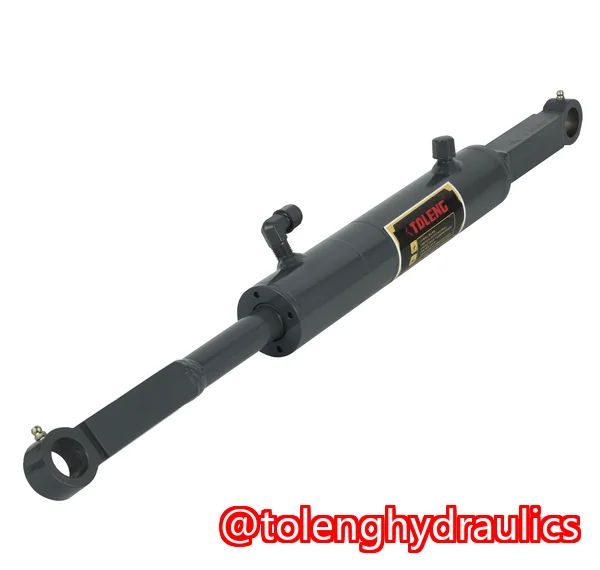
In my years of experience working with hydraulic systems, I’ve learned that premature failures, like jerky cylinder movement, are often a result of poor-quality components, improper maintenance, or simply not knowing what to look for when purchasing hydraulic cylinders. So, if you’ve ever found yourself dealing with issues like sudden stops, uneven movement, or excessive vibrations, it’s time to take a closer look at your hydraulic cylinders.
Let’s dive into how to address and prevent jerky or erratic hydraulic cylinder movement by learning how to assess cylinder quality, inspect key components, and make the right decisions to ensure long-lasting, smooth performance.
Common Problems with Hydraulic Cylinder Performance
Before we go into how to fix jerky hydraulic movement, let’s first understand the typical causes behind it:
-
Cylinder Seal Failure The most common cause of erratic hydraulic movement is seal failure. If seals aren’t properly installed or made from poor-quality materials, they can allow hydraulic fluid to leak, causing the cylinder to operate irregularly.
-
Rod Damage and Wear The piston rod’s surface finish is critical for smooth movement. Damage to the rod can occur due to contamination, poor manufacturing, or simply wear over time. When the rod is compromised, it can result in stuttering or jerky movement as the cylinder strokes.
-
Inconsistent Bore Finish A rough or inconsistent bore finish can cause premature wear of the piston seals. This irregularity can create unnecessary friction, affecting the smoothness of the hydraulic system and resulting in jerky movements.
-
Incorrect Bore Size or Stroke Length If the bore size or stroke length is wrong, it can throw off the entire system. It’s vital to ensure these dimensions are properly measured and aligned for efficient hydraulic movement.
Inspecting Hydraulic Cylinders for Quality
If you’re dealing with erratic movement, it’s essential to evaluate your hydraulic cylinders to identify potential issues. Here’s a step-by-step guide to help you inspect key components and determine if your cylinder is up to standard.
1. Check the Cylinder Tube Material and Bore Finish
The material used in the cylinder tube and the finish of the bore play a vital role in smooth operation. If the bore has any imperfections or roughness, it can lead to uneven seal contact and, ultimately, jerky movement.
How to inspect:
-
Visual Inspection: Look for any obvious scratches or scoring inside the cylinder tube. A high-quality cylinder will have a smooth, even finish.
-
Feel for resistance: If you can insert a clean cloth or wipe the interior of the tube, it should glide smoothly without resistance.
2. Inspect the Piston Rod Surface
The piston rod’s surface must be free from corrosion, rust, or damage. A good-quality piston rod should have a chrome plating to reduce wear and increase its lifespan.
How to inspect:
-
Check for Straightness: Lay the rod on a flat surface to see if it’s straight. A bent rod will cause uneven motion and eventually lead to seal damage.
-
Surface Finish: The rod should have a smooth chrome finish. Poor surface finish or roughness can lead to premature wear on seals, causing fluid leakage and jerky movement.
-
Chrome Plating Thickness: A thicker chrome coating generally ensures better durability and resistance to wear. Aim for a rod with at least 25 microns of chrome plating.
3. Evaluate the Cylinder Seals and Materials
Seals are critical in preventing hydraulic fluid leakage. The quality and material of the seals should be suitable for the operating environment, whether it’s high-pressure systems or machinery exposed to extreme temperatures.
How to inspect:
-
Material: Ensure the seals are made from materials appropriate for the working conditions (e.g., nitrile for general use, Viton for high-temperature operations).
-
Check for Leaks: Even minor leaks around the seals can cause a drastic drop in performance. Look for signs of fluid around the cylinder seals.
4. Examine the Weld Quality on Cylinder Ends and Mounts
Weld quality can significantly affect cylinder performance. A weak or poorly executed weld can cause the cylinder to fail under pressure.
How to inspect:
-
Visual Inspection: Look at the welds for cracks, inconsistent patterns, or weak spots. A solid weld will be smooth and evenly distributed.
-
Strength: A properly welded cylinder will have a mount that can withstand high pressure without distortion.
Why Inspecting Your Hydraulic Cylinder is Crucial
Proper inspection is not just about preventing jerky movements; it’s about ensuring the longevity of your hydraulic system and avoiding costly downtime. Here’s why you should care about the inspection process:
-
Prevent Equipment Downtime: Catching issues early can save you from costly breakdowns and maintenance delays.
-
Extend Cylinder Life: Identifying quality issues before installation means you’re choosing the best products, ensuring long-term reliability.
-
Reduce Maintenance Costs: By selecting high-quality cylinders, you reduce the frequency of repairs and replacements.
Practical Tips for Hydraulic Cylinder Inspection
Here are some quick tips to help you in your inspections:
-
Measure Bore Size and Rod Diameter: Accurate measurements ensure the right fit and operation. Use a caliper to measure both the bore size and the rod diameter.
-
Check for Rod Straightness: Lay the rod on a flat surface to check its alignment. Even a slight bend can affect cylinder movement.
-
Inspect Seals Carefully: Look for cracks, tears, or signs of wear. If the seals feel brittle or hard, they may need to be replaced.
Conclusion
By following these inspection methods, you can avoid many common problems that lead to jerky or erratic hydraulic cylinder movement. I highly recommend following these inspection guidelines to ensure any hydraulic cylinder purchase delivers long-term reliability and performance.
If you’re in the market for high-quality hydraulic cylinders, don’t compromise on quality. Browse our selection of top-tier Toleng hydraulic cylinders today: 🔗 Toleng Hydraulics. You can also download our complete hydraulic cylinder inspection checklist to make sure you’re always getting the best product for your needs.
FAQ
1. How can I tell if a hydraulic cylinder has quality seals?
Check the seal material for durability and temperature resistance. Also, look for uniformity in the seal installation and ensure there are no visible cracks or wear.
2. What rod surface finish is best for long seal life?
A smooth, chrome-plated finish is ideal as it reduces wear on seals and prevents damage to the rod surface.
3. How do I measure bore size and stroke length correctly?
Use a caliper for accurate measurements of the bore diameter. To measure stroke length, fully extend and retract the cylinder and mark the distance.
4. What are the signs of a poorly manufactured cylinder?
Look for inconsistent welds, poor surface finishes, or a cylinder that feels rough or difficult to move. These are signs of substandard quality.
5. Which cylinder mounting styles are strongest?
Welded mounts tend to offer better strength and durability compared to tie-rod cylinders, making them ideal for heavy-duty applications.
6. How do I choose between welded and tie-rod cylinders?
Welded cylinders are better for high-pressure applications, while tie-rod cylinders are more affordable and suitable for lighter-duty tasks.
7. What chrome plating thickness should I look for on rods?
At least 25 microns of chrome plating is recommended for increased durability and resistance to wear.
Tags or Keywords
-
hydraulic cylinder quality, cylinder seals, rod finish, bore size, hydraulic cylinder maintenance, cylinder inspection, welded hydraulic cylinder, tie-rod cylinder, hydraulic cylinder buying guide, cylinder failure prevention, hydraulic cylinder materials

