
The Ultimate Guide to Hydraulic Cylinders for Beginners
Hydraulic cylinders play a critical role in powering equipment across industries such as construction, agriculture, and manufacturing. Whether you’re operating heavy machinery, industrial automation, or mobile hydraulics, the quality of the hydraulic cylinders you choose directly impacts performance and reliability. Unfortunately, distinguishing between high-quality and subpar cylinders isn’t always straightforward, which can lead to costly mistakesequipment downtime, seal failures, and even catastrophic breakdowns.
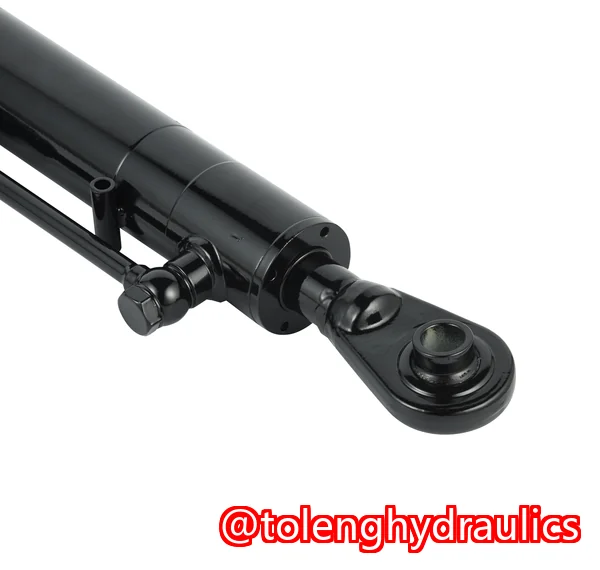
In this guide, I’ll walk you through how to evaluate hydraulic cylinders, ensuring that every cylinder you purchase meets the high standards necessary for peak performance. You’ll learn about materials, seals, rod finishes, bore sizes, and mounting styles, so you can make informed, confident decisions. Let’s dive in.
Common Issues with Hydraulic Cylinders
When you’re purchasing hydraulic cylinders for your equipment, there are a few common pain points that most of us face:
-
Premature Seal Failure: Poor-quality seals are one of the leading causes of cylinder failure. When seals wear out prematurely, you’ll notice leaks, which can cause loss of pressure and performance, leading to costly downtime.
-
Rod Damage: A damaged or improperly finished piston rod can cause friction, wear out seals faster, and even reduce the life of your entire hydraulic system.
-
Uncertainty About Quality: With so many different manufacturers and brands out there, it’s hard to tell which hydraulic cylinders are high quality and which ones are poorly made. Without proper inspection, low-quality cylinders can lead to frequent repairs and expensive replacements.
The Toleng Hydraulics Difference
As a manufacturer known for producing high-quality hydraulic cylinders, Toleng Hydraulics takes the guesswork out of your cylinder inspection. Our comprehensive guidelines, combined with hands-on tips for checking cylinder materials and finishes, ensure you can select cylinders that will stand the test of time.
Let’s break down how you can easily evaluate hydraulic cylinders to avoid these common pitfalls.
Key Factors to Inspect for Quality Hydraulic Cylinders
Here are some practical tips for assessing hydraulic cylinder quality:
1. Cylinder Tube Material and Bore Finish
The material used in the cylinder tube is one of the most important factors in its performance. The tube must be made from high-grade steel to ensure it can withstand the pressures and stresses encountered in daily operations. When checking the bore finish, look for smoothnessuneven or rough finishes will cause excessive wear and tear on seals, resulting in leakage and premature failure.
Tip: Run your fingers along the inside of the bore (if accessible) to feel for any roughness or inconsistencies. A high-quality cylinder will have a uniform, smooth finish.
2. Piston Rod Quality
A piston rod must be durable enough to handle the pressures generated inside the cylinder, yet smooth enough to prevent wear on seals. Pay attention to these key aspects when inspecting piston rods:
-
Hardness: The rod should be hard enough to resist bending or warping under pressure.
-
Chrome Plating: Chrome plating not only improves the rod’s resistance to corrosion but also helps reduce friction between the rod and seals. Look for even, consistent plating without visible defects.
-
Surface Finish: The surface finish should be smooth and free from pitting or scratches, which could damage seals and increase the likelihood of rod damage.
Tip: Check the chrome plating thickness with a micrometer to ensure it meets industry standards for long-term performance.
3. Seal Materials and Installation
The seals in a hydraulic cylinder are responsible for preventing fluid leaks, maintaining pressure, and ensuring smooth operation. The type of material used for the seals should match the application. For example, if the cylinder will be used in high temperatures, a high-temperature resistant seal is essential. Similarly, agricultural applications might require seals that can withstand exposure to chemicals or dirt.
Tip: Look for signs of improper installation, such as seals that are not properly seated or appear to be stretched or damaged. A well-installed seal should fit snugly in its housing and maintain its shape.
4. Mounting and Weld Quality
Mounting styles and welds are critical for the durability and safety of hydraulic cylinders. Ensure that the mounts are made from durable materials and are welded securely to prevent separation under load. Check that the cylinder ends and mounts are welded with clean, even welds, free from cracks or porosity.
Tip: Inspect the mounting points for any signs of stress, cracks, or deformation. Weak mounting points can lead to catastrophic failures.
Why Inspecting Hydraulic Cylinders Saves Money
When purchasing hydraulic cylinders, thorough inspection not only prevents future problems but can also extend the lifespan of your equipment. By investing in high-quality cylinders and inspecting them properly, you can avoid costly repairs, unexpected downtime, and operational failures.
In the long run, this careful selection process will:
-
Maximize Equipment Uptime: Properly functioning hydraulic cylinders contribute to the overall performance and reliability of your machinery, ensuring minimal interruptions to your operations.
-
Reduce Maintenance Costs: With proper quality control during the initial purchase, you can avoid frequent repairs and replacements, reducing the lifetime maintenance costs of your equipment.
-
Ensure Safety: A failure in a hydraulic cylinder can have serious consequences. By choosing high-quality cylinders and verifying their integrity, you can prevent potentially dangerous accidents.
Step-by-Step Cylinder Inspection Guide
Here’s a quick breakdown of the inspection steps you should follow when evaluating hydraulic cylinders:
-
Check the Bore Finish: Use a light or visual inspection to check for smoothness. A rough bore finish can cause excessive seal wear.
-
Inspect the Piston Rod: Measure the diameter and ensure it’s within tolerance. Look for smooth, even chrome plating and no signs of pitting.
-
Examine Seals: Look for cracks, tears, or deformations in the seals. Ensure they are the correct type for your application.
-
Evaluate Mounting: Check welds and mounting points for structural integrity.
-
Verify Bore Size and Stroke Length: Accurate bore and stroke measurements are essential for proper hydraulic system operation. Measure both the internal bore and rod diameter to ensure they meet your system’s requirements.
Tip: Document all your findings and use this checklist every time you evaluate a hydraulic cylinder to ensure consistency and avoid missing any issues.
Conclusion: Make Informed Hydraulic Cylinder Purchases
In conclusion, following a comprehensive inspection process will help you make smarter, more informed decisions when purchasing hydraulic cylinders. Ensuring quality from the start will save you money in the long run by reducing maintenance costs, preventing downtime, and extending the life of your equipment.
I highly recommend following these inspection guidelines to ensure any hydraulic cylinder purchase delivers long-term reliability and performance.
Take the Next Step:
-
Browse our selection of high-quality hydraulic cylinders: 🔗 Toleng Hydraulics
-
Download our complete hydraulic cylinder inspection checklist today.
FAQs: Common Hydraulic Cylinder Questions
1. How can I tell if a hydraulic cylinder has quality seals?
Look for seals made from durable materials designed for your specific application (e.g., high-temperature seals for hot environments). The seal should be properly seated with no visible wear or deformation.
2. What rod surface finish is best for long seal life?
A smooth, consistent chrome plating is ideal, as it reduces friction and wear. The chrome should be even and free from defects like pits or scratches.
3. How do I measure bore size and stroke length correctly?
Use a micrometer to measure the bore size accurately, and check the stroke length by extending the cylinder fully and measuring the distance.
4. What are the signs of a poorly manufactured cylinder?
Look for uneven chrome plating, rough bore finishes, weak or inconsistent welds, and poor-quality seals.
5. Which cylinder mounting styles are strongest?
Welded cylinders tend to be stronger than tie-rod cylinders, as the welds provide greater structural integrity. Ensure that welds are clean and free from cracks.
6. How do I choose between welded and tie-rod cylinders?
Welded cylinders are more durable and suitable for high-pressure applications, while tie-rod cylinders are generally easier to repair and maintain.
7. What chrome plating thickness should I look for on rods?
Typically, a chrome plating thickness of 0.002 to 0.004 inches is considered optimal for durability and performance.
Keywords:
-
hydraulic cylinder quality
-
cylinder seals
-
rod finish
-
bore size
-
hydraulic cylinder maintenance
-
cylinder inspection
-
welded hydraulic cylinder
-
tie-rod cylinder
-
hydraulic cylinder buying guide
-
cylinder failure prevention
-
hydraulic cylinder materials

