
How to Calculate Hydraulic Cylinder Tonnage Force
When you’re managing heavy machinery, every component plays a critical role in maintaining the overall performance of the system. One part that often gets overlooked is the hydraulic cylinder. These cylindrical powerhouses are responsible for converting fluid pressure into mechanical force, which makes them essential in construction, agricultural, and industrial applications. But how can you be sure you’re selecting the right hydraulic cylinder for your needs? Or more specifically, how can you calculate the hydraulic cylinder tonnage force to ensure it’s capable of handling the tasks at hand? In this article, I’ll walk you through everything you need to know to make informed decisions about your hydraulic cylinders, including how to calculate tonnage force for optimal performance.
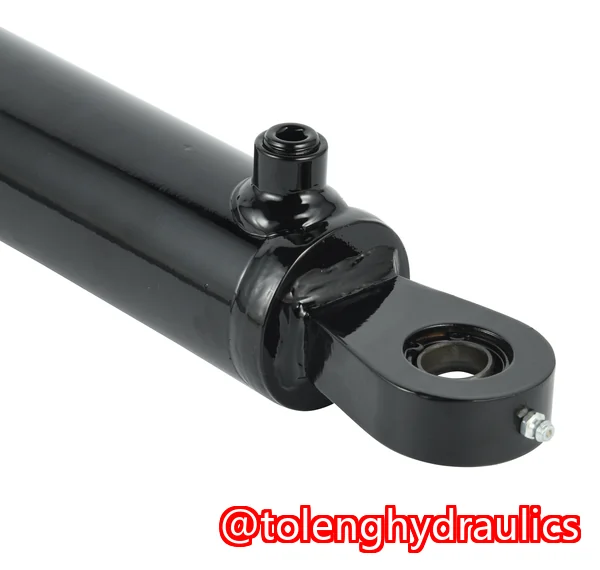
Understanding Hydraulic Cylinder Tonnage Force
Before diving into the calculations, it’s essential to understand why hydraulic cylinder tonnage force is important. The tonnage force refers to the force that a hydraulic cylinder can exert, and it’s crucial for determining whether a cylinder is suited to your application. Whether you’re lifting heavy loads or pushing machinery, you need the right tonnage to prevent equipment failure and downtime.
In simple terms, hydraulic cylinders work by utilizing hydraulic fluid under pressure to generate force that moves a piston inside the cylinder. The piston, which is connected to a rod, moves back and forth to create linear motion. The force exerted by this motion is what we call the tonnage force, which is expressed in tons or pounds.
So, how do we calculate it? It’s not as complicated as it sounds, and with the right steps, you’ll be able to assess any hydraulic cylinder’s capabilities accurately.
The Formula for Calculating Hydraulic Cylinder Tonnage Force
The general formula for calculating the tonnage force of a hydraulic cylinder is:
Where:
-
Cylinder Area is the area of the piston face in square inches (in).
-
Hydraulic Pressure is the pressure exerted by the hydraulic system, usually measured in pounds per square inch (psi).
Step 1: Calculate the Piston Area
The first part of the calculation involves determining the piston area, which is the area of the piston face that the hydraulic fluid pushes against. The formula to calculate the piston area is:
Where:
-
is the diameter of the cylinder bore (in inches).
-
is approximately 3.1416.
Once you calculate the area, you can move on to the next step.
Step 2: Factor in Hydraulic Pressure
The next factor to consider is the hydraulic pressure. This is the pressure exerted by the fluid in the system and is typically specified by the manufacturer or can be measured with a pressure gauge. It’s expressed in pounds per square inch (psi).
Step 3: Multiply to Find the Tonnage Force
Once you have the cylinder area and hydraulic pressure, simply multiply them together to determine the hydraulic cylinder’s tonnage force. For example, if you have a hydraulic cylinder with a bore diameter of 4 inches and a hydraulic pressure of 2000 psi, the calculation would look like this:
To convert pounds to tons, divide by 2000:
In this example, the hydraulic cylinder can exert a force of approximately 12.57 tons.
Why Is Calculating Tonnage Force Important?
Knowing the tonnage force of a hydraulic cylinder helps you make better decisions about the equipment you choose for your machinery. If you select a cylinder with insufficient tonnage force, it won’t be able to handle the load, leading to premature wear, seal failure, or even catastrophic breakdowns. Conversely, choosing a cylinder with excessive force might result in unnecessary stress on the system, increasing operational costs and reducing efficiency.
Practical Tips for Hydraulic Cylinder Evaluation
When selecting a hydraulic cylinder for your needs, don’t just look at the specifications. It’s also important to evaluate the overall quality of the cylinder to ensure longevity and reliability. Here are a few tips for making sure you’re getting a high-quality product:
1. Inspect the Cylinder Tube and Bore Finish
A smooth bore finish is essential for reducing wear and tear on the seals. If the bore is too rough, it can cause leaks and increase friction, which leads to faster degradation of the cylinder.
2. Evaluate the Piston Rod Surface and Hardness
The piston rod should be free from defects like pits, cracks, and excessive wear. A high-quality rod will have a smooth, hard-chrome finish that resists corrosion and minimizes friction with seals.
3. Check the Seals and O-Rings
The seals play a crucial role in preventing leaks and maintaining pressure. Ensure that the seals are made from durable materials that are appropriate for the type of hydraulic fluid used in your system. Also, check that the seals are installed correctly to prevent leaks from the start.
4. Verify Mounting Integrity
Whether you’re using a welded cylinder or a tie-rod cylinder, the mounting integrity is critical. Poorly welded cylinders or improperly mounted tie rods can lead to misalignment, which can cause stress on the system and result in damage.
5. Understand Cylinder Type and Application
Choosing between a welded or tie-rod cylinder depends on the application. Welded cylinders are often more durable and have a more compact design, while tie-rod cylinders are easier to maintain and repair.
Conclusion
By understanding how to calculate hydraulic cylinder tonnage force and applying the right inspection methods, you can ensure that your equipment is performing at its best. Taking the time to verify cylinder quality upfront will save you time, money, and stress in the long run. I highly recommend following these inspection guidelines to ensure any hydraulic cylinder purchase delivers long-term reliability and performance.
Ready to invest in quality hydraulic cylinders? Browse our selection of high-quality hydraulic cylinders: 🔗 Toleng Hydraulics. Don’t forget to download our complete hydraulic cylinder inspection checklist today to make your next purchase even easier!
Frequently Asked Questions (FAQ)
1. How can I tell if a hydraulic cylinder has quality seals?
Look for seals made from durable materials like polyurethane or Viton. Check for proper installation and verify that there are no cracks or visible signs of wear.
2. What rod surface finish is best for long seal life?
A smooth, hard-chrome finish is ideal for extending seal life. It reduces friction and wear, ensuring the seals stay intact for longer.
3. How do I measure bore size and stroke length correctly?
Use a precise caliper to measure the internal diameter of the cylinder bore. For stroke length, measure the distance the piston travels within the cylinder.
4. What are the signs of a poorly manufactured cylinder?
Look for signs like rough welds, poor chrome plating on the piston rod, misaligned mounting, and inconsistent bore finishes.
5. Which cylinder mounting styles are strongest?
Welded cylinders are typically stronger and more compact, making them suitable for high-pressure applications. Tie-rod cylinders are easier to maintain but may not offer the same strength.
6. How do I choose between welded and tie-rod cylinders?
Welded cylinders are more durable and often used in heavy-duty applications, while tie-rod cylinders are easier to maintain and repair.
7. What chrome plating thickness should I look for on rods?
Look for chrome plating between 0.002 and 0.004 inches in thickness. This provides a good balance of durability and smoothness.
Tags or Keywords
-
hydraulic cylinder quality, cylinder seals, rod finish, bore size, hydraulic cylinder maintenance, cylinder inspection, welded hydraulic cylinder, tie-rod cylinder, hydraulic cylinder buying guide, cylinder failure prevention, hydraulic cylinder materials

