
How to Calculate Hydraulic Cylinder Push and Pull Forces
When working with heavy equipment or machinery, one of the key components that makes it run smoothly is the hydraulic cylinder. But as an engineer or maintenance professional, have you ever wondered how to determine the forces these cylinders are capable of pushing or pulling? This is crucial when you’re designing a machine or selecting the right hydraulic cylinder for an application. If you don’t understand how to calculate these forces, you could end up choosing a cylinder that is too weak or too strong for the task, leading to performance issues or premature failures.
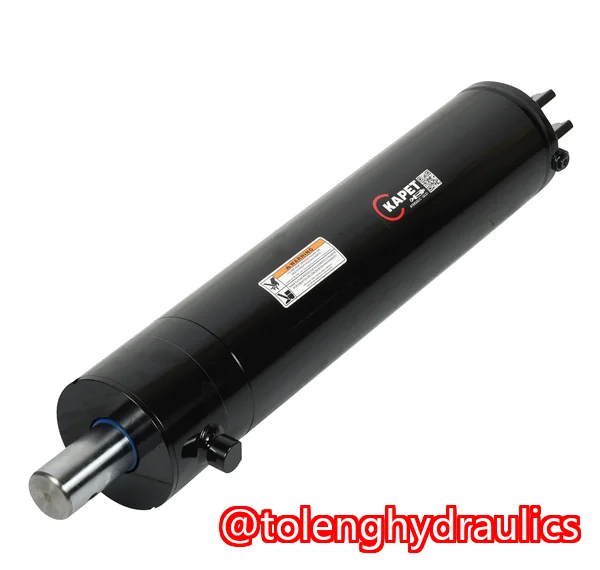
In this guide, I’ll walk you through the process of calculating hydraulic cylinder push and pull forces. By the end of this post, you’ll know how to make informed decisions about hydraulic cylinder selection, and avoid costly mistakes. Whether you’re working with construction equipment, agricultural machinery, or industrial automation systems, knowing these calculations can save you both time and money.
Why Understanding Hydraulic Cylinder Forces is Crucial
Hydraulic cylinders are essential for providing linear force, allowing machines to move, lift, or push heavy loads. But here’s the catch: if you don’t choose the right cylinder for the job, it could fail prematurely due to overloading or improper design. Problems like premature seal failure, rod damage, or cylinder fatigue can bring your operation to a haltcosting you valuable time and money.
By calculating the push and pull forces, you can ensure that the hydraulic cylinder you choose is perfectly suited for the task at hand. This ensures longevity, minimizes downtime, and ultimately reduces the need for costly repairs or replacements. Let’s dive into how you can make these calculations.
What Are Push and Pull Forces?
Before we get into the calculations, let’s break down what push and pull forces actually are:
-
Push Force: This is the force generated when the hydraulic cylinder extends.
-
Pull Force: This is the force generated when the hydraulic cylinder retracts.
The difference between these two forces arises because of the difference in surface area on the piston’s rod side versus the cap side. Essentially, the rod takes up space inside the cylinder, which reduces the effective area on the rod side of the piston.
Step-by-Step Guide to Calculating Hydraulic Cylinder Push and Pull Forces
The basic formula for calculating the force produced by a hydraulic cylinder is:
Where:
-
F is the force generated by the cylinder (in pounds or Newtons).
-
P is the hydraulic pressure (in psi or pascals).
-
A is the area of the piston (in square inches or square meters).
Let’s look at this more closely for both push and pull forces.
1. Calculating Push Force (Extension)
The push force is calculated using the full area of the piston, which is the area of the bore.
Formula:
Where:
-
P = Hydraulic pressure (psi or bar)
-
D = Bore diameter (inches or meters)
For example, if you have a cylinder with a bore diameter of 6 inches and a pressure of 2500 psi, the push force is:
2. Calculating Pull Force (Retraction)
When the hydraulic cylinder is retracting, the rod reduces the effective area of the piston. The pull force is calculated by subtracting the area of the piston rod from the total piston area.
Formula:
Where:
-
D = Bore diameter (inches or meters)
-
d = Rod diameter (inches or meters)
So, if you have a cylinder with a bore diameter of 6 inches, a rod diameter of 2 inches, and the same hydraulic pressure of 2500 psi, the pull force would be:
As you can see, the pull force is less than the push force due to the reduced area on the rod side of the piston.
Real-World Example: Choosing the Right Cylinder
Let’s say you are tasked with choosing a hydraulic cylinder for a construction equipment application, such as a bulldozer blade actuator. The bulldozer blade needs to push and pull heavy materials, and you need to ensure the hydraulic cylinder can handle these tasks without overloading or underperforming.
To do this:
-
Measure the bore and rod diameter of the hydraulic cylinder.
-
Know the maximum hydraulic pressure available from the pump.
-
Use the formulas above to calculate the push and pull forces for both extension and retraction.
For instance, if the cylinder will operate at a pressure of 2500 psi and the bore is 8 inches with a 3-inch rod, you can calculate the forces as shown earlier.
By calculating the forces, you ensure that the cylinder you choose is capable of handling the specific tasks required without exceeding the pressure limits of the system or causing unnecessary strain on other components.
Practical Tips for Selecting the Right Hydraulic Cylinder
When evaluating hydraulic cylinders, keep the following practical tips in mind:
-
Check Cylinder Tube Material: The material of the cylinder tube plays a significant role in the durability and strength of the cylinder. High-quality steel is often preferred.
-
Inspect the Rod Finish: A smooth and well-chromed rod surface reduces wear on seals, helping to extend the cylinder’s lifespan.
-
Evaluate Seal Quality: High-quality seals are essential for preventing leaks and ensuring that the cylinder operates efficiently.
-
Inspect Welds: Cylinder end welds should be strong and free of defects. Poor welds can cause structural failure.
-
Choose the Right Mounting Style: Mounting styles like clevis, flange, or trunnion should match the design of your equipment. The wrong mounting can lead to stress and premature wear.
-
Verify Bore Finish: A proper bore finish ensures smooth operation and extends the life of the seals and piston. Poor bore finishes can lead to premature wear and failure.
Conclusion: Choosing Reliable Hydraulic Cylinders
By following these simple steps and performing thorough calculations, you can ensure that your hydraulic cylinders are suited for the task at hand. Whether you’re dealing with construction equipment, agricultural machinery, or industrial automation, selecting the right cylinder is crucial for maximizing performance and minimizing downtime.
I highly recommend following these inspection guidelines to ensure any hydraulic cylinder purchase delivers long-term reliability and performance. By taking the time to inspect materials, seals, rod finishes, and mounting styles, you’ll avoid costly failures and reduce maintenance expenses.
Browse our selection of high-quality hydraulic cylinders: 🔗 https://www.tolenghydraulics.com/
Download our complete hydraulic cylinder inspection checklist today to make your selection process easier and more accurate.
FAQ
How can I tell if a hydraulic cylinder has quality seals?
High-quality seals should be smooth, with no visible cracks or signs of wear. They should also fit securely within the cylinder and maintain a tight seal under pressure.
What rod surface finish is best for long seal life?
A smooth, hard chrome-plated surface is ideal for minimizing friction and wear on seals. It helps ensure a longer service life and less maintenance.
How do I measure bore size and stroke length correctly?
To measure the bore, use a caliper to get the internal diameter of the cylinder tube. Stroke length is the distance the piston moves from fully retracted to fully extended.
What are the signs of a poorly manufactured cylinder?
Poor manufacturing signs include uneven welds, visible surface defects, poor chrome plating on the rod, and weak seals. These can lead to premature failure.
Which cylinder mounting styles are strongest?
Welded mounting styles tend to offer the best strength and stability, especially in heavy-duty applications. Tie-rod cylinders can be more flexible but may not be as durable in extreme conditions.
How do I choose between welded and tie-rod cylinders?
Welded cylinders are stronger and more durable, making them ideal for heavy-duty applications. Tie-rod cylinders are more modular and easier to replace, but they are generally better suited for lighter-duty work.
What chrome plating thickness should I look for on rods?
Look for rods with at least 0.002 inches of chrome plating thickness. This ensures a durable, smooth surface that helps prevent wear and corrosion.
Tags/Keywords: hydraulic cylinder quality, cylinder seals, rod finish, bore size, hydraulic cylinder maintenance, cylinder inspection, welded hydraulic cylinder, tie-rod cylinder, hydraulic cylinder buying guide, cylinder failure prevention, hydraulic cylinder materials

