
Hydraulic Cylinders for the Automotive Industry Car Lifts
When you think about the smooth operation of a car lift, you may not immediately consider the hydraulic cylinders that power the system. However, these components are at the heart of the machinery, ensuring that vehicles are lifted safely and efficiently. If you’re involved in maintaining or purchasing equipment for car lifts, you know how critical it is to choose high-quality hydraulic cylinders. Premature seal failures, rod damage, and leaks can bring operations to a halt, causing costly downtime and maintenance. Over the years, I’ve learned that not all hydraulic cylinders are built to last. So, how can you be sure you’re getting a cylinder that will perform consistently and reliably? Let’s break it down.
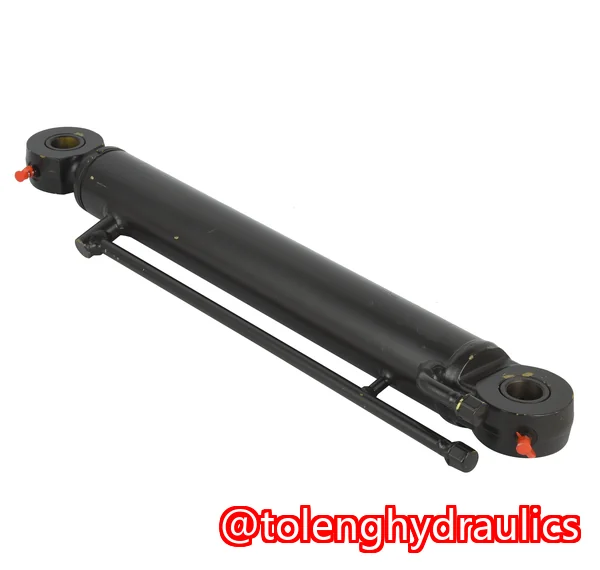
Understanding Hydraulic Cylinder Quality for Car Lifts
In the automotive industry, particularly with car lifts, hydraulic cylinders are exposed to heavy loads, frequent cycles, and harsh environments. The quality of the cylinder you choose can significantly affect the overall performance and longevity of your car lift. With the variety of options available, how do you identify a high-quality hydraulic cylinder that will keep your lift running smoothly?
Common Challenges in Choosing the Right Hydraulic Cylinder
-
Appearance Can Be Deceptive
At first glance, some hydraulic cylinders might look solid and well-built, but their real quality lies beneath the surface. For example, a shiny, smooth rod may look appealing, but it’s the material and coating quality that determine durability. Focusing only on external appearance can lead to poor purchasing decisions.
-
Understanding Seals and Rod Surface Finishes
Hydraulic seals are critical to the cylinder’s performance. If the seals fail prematurely, oil leaks can occur, causing a loss of pressure and performance. The surface finish of the rod is another often-overlooked factor that affects seal life. A rough or uneven surface can lead to seal damage and hydraulic fluid contamination.
-
Inconsistent Bore Finish
A poorly finished bore can cause premature wear on seals and pistons. If the bore finish is not smooth or consistent, it can accelerate the degradation of other components, increasing the likelihood of failure.
Toleng Hydraulics: A Solution to Common Cylinder Issues
When you are looking for hydraulic cylinders for car lifts, Toleng hydraulics offer a reliable solution. Their cylinders are designed with durability and performance in mind. Here’s how you can evaluate quality using some simple inspection steps that can save you from costly mistakes.
How to Inspect and Verify Hydraulic Cylinder Quality
1. Check the Cylinder Tube Material and Internal Bore Finish
The material and finish of the cylinder tube are fundamental to the cylinder’s longevity and performance. High-quality hydraulic cylinders are made from strong materials such as carbon steel or stainless steel, which resist wear and corrosion. The internal bore should have a smooth, consistent finish to prevent seal wear and ensure smooth piston movement.
Inspection Tip:
-
Look for any visible scratches, pits, or inconsistencies in the bore finish.
-
If possible, measure the bore size using a micrometer to ensure it aligns with manufacturer specifications.
2. Inspect Piston Rod Hardness, Chrome Plating Thickness, and Surface Finish
The piston rod is exposed to intense wear and tear as it moves in and out of the cylinder. To ensure longevity, it needs to be hardened and coated with high-quality chrome plating. The chrome thickness and the rod’s surface finish play a significant role in the durability of the seals and overall cylinder performance.
Inspection Tip:
-
Use a micrometer to measure chrome plating thickness. A good quality rod typically has at least 0.5 mm of chrome plating.
-
Check for rod straightness using a dial indicator. Any bending can lead to excessive wear and seal failure.
-
Evaluate the surface finishsmoothness is key to prolonging the life of the seals.
3. Evaluate Seal Types and Materials for Your Specific Application
Seals are one of the most critical components of any hydraulic cylinder. The right seals will prevent leaks and ensure the hydraulic fluid stays clean, preventing contamination that could damage the system. Depending on your applicationwhether for heavy-duty car lifts or light-duty tasksthe seal material needs to be chosen carefully.
Inspection Tip:
-
Ensure that the seals are made from high-quality materials like nitrile, polyurethane, or Viton.
-
Look for signs of wear or cracking around the seal area, which could indicate poor material quality.
4. Verify Weld Quality on Cylinder Ends and Mounts
The ends of the hydraulic cylinder and the mounting points need to be welded securely to ensure they hold up under pressure. Poor welding can lead to cracks, leaks, and cylinder failure, all of which could mean unexpected downtime for your car lift.
Inspection Tip:
-
Look for any signs of poor welding, such as uneven beads or burn-through.
-
Check for any gaps or inconsistencies in the welded areas that could cause structural integrity issues.
5. Inspect Port Threads and Fitting Quality
The cylinder’s ports and fittings are another critical point to inspect. Poorly threaded ports or mismatched fittings can lead to leaks and affect the overall pressure of the system, which directly impacts the performance of your car lift.
Inspection Tip:
-
Verify that the port threads are clean and consistent. Cross-threading can cause leaks and make it difficult to connect hydraulic lines.
Why Proper Inspection Matters
Choosing the right hydraulic cylinder isn’t just about the initial costit’s about maximizing equipment uptime, ensuring safety, and making informed decisions that will pay off in the long term. By performing thorough inspections and choosing high-quality cylinders, you can:
-
Avoid costly downtime: Prevent unexpected failures and delays by identifying quality issues early on.
-
Extend the service life of your equipment: Properly selected cylinders last longer, meaning fewer replacements and lower maintenance costs.
-
Ensure safety: Hydraulic cylinder failures can lead to dangerous situations, especially when heavy machinery is involved. Quality inspection ensures that your car lift remains safe to use.
Conclusion: Choosing Reliable Hydraulic Cylinders for Your Car Lift
Selecting a high-quality hydraulic cylinder for a car lift doesn’t have to be a guessing game. By following the inspection guidelines outlined above, you can avoid the frustration and cost of premature failures. I highly recommend checking cylinder material, bore finish, seal quality, rod finish, and weld integrity before making your purchase. A little extra effort during the evaluation process will ensure long-term reliability and performance.
Take action today:
Browse our selection of high-quality hydraulic cylinders 🔗 here.
Download our complete hydraulic cylinder inspection checklist and make sure your next purchase is a smart one.
FAQ
1. How can I tell if a hydraulic cylinder has quality seals?
Examine the seals for any cracks or wear. High-quality seals are usually made from durable materials like nitrile or polyurethane and should fit snugly without signs of deformation.
2. What rod surface finish is best for long seal life?
A smooth, polished rod surface is ideal. The smoother the finish, the less friction there is between the rod and seals, leading to longer seal life.
3. How do I measure bore size and stroke length correctly?
Use a micrometer to measure the internal diameter of the bore and a caliper to measure the stroke length. Ensure the measurements match the manufacturer’s specifications for proper cylinder operation.
4. What are the signs of a poorly manufactured cylinder?
Signs include uneven welds, rough or inconsistent bore finish, improper sealing, and poor-quality materials that can affect the cylinder’s overall performance.
5. Which cylinder mounting styles are strongest?
Welded mounting styles are generally stronger than tie-rod styles, as they provide greater structural integrity. Welded cylinders are better for heavy-duty applications like car lifts.
6. How do I choose between welded and tie-rod cylinders?
Welded cylinders are best for high-pressure, heavy-duty applications, while tie-rod cylinders are often more cost-effective and easier to repair. Choose based on your lift’s load and frequency of use.
7. What chrome plating thickness should I look for on rods?
A thickness of at least 0.5 mm is recommended for good-quality chrome plating, which helps protect against wear and corrosion.
Tags
hydraulic cylinder quality, cylinder seals, rod finish, bore size, hydraulic cylinder maintenance, cylinder inspection, welded hydraulic cylinder, tie-rod cylinder, hydraulic cylinder buying guide, cylinder failure prevention, hydraulic cylinder materials

