
Stage Engineering Hydraulic Cylinders in Entertainment Rigs
When you’re working in stage engineering, the smooth operation of hydraulic equipment is crucial. Imagine being at a live performance where the entire rig for a massive stage setup relies on hydraulic cylinders. Now, picture the chaos if those cylinders fail a slow-moving lift, damaged props, or worse, a complete halt to the show. The importance of selecting high-quality hydraulic cylinders can’t be overstated. In this blog post, I’m going to walk you through the key elements to check when evaluating hydraulic cylinders, helping you avoid costly failures and ensuring a smooth performance every time.
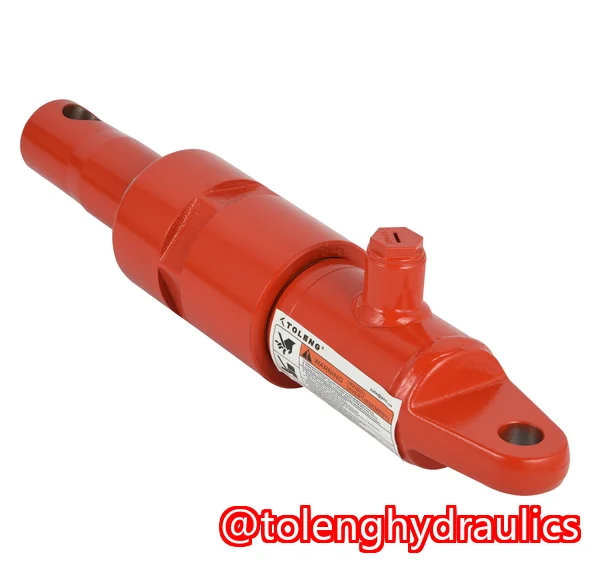
The Importance of Hydraulic Cylinder Quality in Stage Engineering
In entertainment rigs, the use of hydraulic cylinders is vast, from elevating stages and props to controlling heavy lifting mechanisms. With such critical roles, it’s imperative to ensure that the cylinders used are up to the task. Hydraulic systems can experience extreme pressure and stress, making the durability of the cylinders essential. That’s why understanding what makes a high-quality cylinder is key to preventing those dreaded mid-performance failures.
Common Hydraulic Cylinder Failures in Entertainment Applications
Before diving into what makes a quality hydraulic cylinder, let’s first look at a few common failures you might encounter if you’re not careful with your selection:
-
Premature Seal Failure
Seals play an essential role in preventing fluid leaks within a hydraulic cylinder. In high-stress environments like stage engineering, seals can wear out quickly if they aren’t up to the task. Premature seal failure leads to fluid loss, reduced cylinder performance, and ultimately, costly downtime.
-
Rod Damage
Hydraulic rods are subject to significant forces and can suffer from surface damage or bending. In entertainment rigs, rods often operate under harsh conditions, and improper materials or surface finishes can lead to corrosion and performance issues.
-
Leaky Cylinders
Leaks can occur from poor manufacturing practices, inadequate seal installation, or damaged components. Leaky cylinders can not only reduce the effectiveness of hydraulic systems but also increase maintenance costs and affect the safety of the operation.
How to Inspect and Select Quality Hydraulic Cylinders
It can be overwhelming when you’re faced with dozens of hydraulic cylinder options. So how do you identify the right one for your stage engineering projects? Here’s how I evaluate hydraulic cylinders to ensure top performance and reliability:
1. Inspect the Cylinder Tube Material and Bore Finish
The material used for the cylinder tube is the foundation of its durability. High-quality cylinders typically use materials like carbon steel or stainless steel, which provide strength and resistance to corrosion.
Bore Finish:
A smooth, consistent bore finish is vital for ensuring smooth piston movement. A poor bore finish can cause excessive wear on seals, leading to leakage and inefficient performance. To check, look for any visible scratches or roughness inside the bore, which could indicate poor manufacturing or inadequate material treatment.
2. Check the Piston Rod’s Surface Finish and Hardness
The piston rod is another critical component, and its surface finish needs to be perfect for smooth operation. Rods should have a hard chrome plating that enhances their resistance to wear and corrosion.
Rod Surface Finish:
A properly finished rod should have a smooth, mirror-like surface that minimizes friction against the seals. Any visible defects, such as pitting or rough patches, can significantly shorten the lifespan of the rod and seals.
Hardness:
It’s important to check the rod’s hardness as well. A rod that is too soft can bend under load, while one that’s too hard can become brittle. Look for rods that meet hardness standards appropriate for the intended application.
3. Evaluate Seal Quality and Material
Seals are arguably the most important part of any hydraulic cylinder. The wrong seal can lead to leaks and rapid degradation of performance. In entertainment rigs, where hydraulic cylinders undergo frequent use, high-quality seals are a must.
Seal Material:
Make sure the seals are made from materials that are compatible with the fluids they’ll be exposed to. For example, polyurethane seals are often used for their excellent resistance to wear, while nitrile rubber seals are common for general-purpose use.
Seal Installation:
Improper seal installation can also lead to leaks and system failure. Make sure the seals are installed with care and that they fit correctly in their designated grooves.
4. Check Weld Quality on Cylinder Ends and Mounts
Welds are critical for the overall strength and integrity of the hydraulic cylinder. Poor welds can result in cracks, especially under the high pressures seen in stage engineering applications.
Weld Inspection:
Carefully inspect the welds on the cylinder ends and mounting points. Look for uniformity in the welds, and check for any visible cracks or gaps. Poor welds can lead to early failure of the cylinder and the associated rigging system.
5. Mounting Styles: Welded vs. Tie-Rod Cylinders
Choosing between welded and tie-rod cylinders depends on your specific application needs. Welded cylinders, as the name suggests, are made by welding the cylinder’s body together, making them more durable for high-pressure applications. Tie-rod cylinders, on the other hand, use tie rods to connect the cylinder’s ends, making them easier to repair but generally less robust.
Welded Cylinders:
-
Offer stronger, more permanent construction
-
Ideal for heavy-duty, high-pressure applications
-
Less prone to failure under stress
Tie-Rod Cylinders:
-
Easier to disassemble and repair
-
More cost-effective for lower-pressure applications
-
Often used in less demanding tasks
Practical Tips for Hydraulic Cylinder Maintenance
In addition to selecting the right hydraulic cylinders, maintaining them properly is essential for maximizing their lifespan. Here are a few tips:
-
Regular Inspections:
Regularly inspect the cylinders for signs of wear, leaks, or damage. Catching issues early can save you from costly repairs and downtime.
-
Cleanliness Is Key:
Always ensure that the hydraulic fluid is clean and free from contaminants. Contaminants can damage seals and cause premature cylinder failure.
-
Use the Right Fluid:
The type of hydraulic fluid used can significantly impact the longevity of your cylinders. Make sure you’re using fluid that’s compatible with your system’s requirements.
-
Check for Leaks:
Even small leaks can indicate bigger problems down the line. Inspect seals and rods frequently to avoid sudden failures.
Conclusion
As someone who’s worked extensively with hydraulic cylinders in stage engineering, I highly recommend following these inspection guidelines to ensure that any hydraulic cylinder purchase delivers long-term reliability and performance. Whether you’re dealing with construction equipment or stage lifts, choosing the right hydraulic cylinders is a critical step to avoiding downtime and ensuring smooth operations.
I can’t stress enough how important it is to inspect cylinders carefully before buying. Take the time to assess the materials, seals, bore finish, and rod quality. By doing so, you’ll ensure that your hydraulic cylinders are up to the job, whether you’re elevating a stage or moving heavy equipment.
Browse our selection of high-quality hydraulic cylinders at Toleng Hydraulics today and make an informed choice for your next project.
🔗 Visit Toleng Hydraulics
Download our complete hydraulic cylinder inspection checklist today to get started!
FAQs
How can I tell if a hydraulic cylinder has quality seals?
Check for uniformity in the seals, and ensure they’re made from durable materials like polyurethane or nitrile rubber. Seals should fit snugly without visible cracks or damage.
What rod surface finish is best for long seal life?
A smooth, mirror-like surface finish is ideal for minimizing friction and wear. The chrome plating on the rod should be uniform and free from pitting.
How do I measure bore size and stroke length correctly?
Use a micrometer to measure the bore and stroke length accurately. Be sure to check for any unevenness or rough spots in the bore, which could indicate poor manufacturing.
What are the signs of a poorly manufactured cylinder?
Look for defects like visible cracks, rough finishes on the rod or bore, poor welds, or improperly installed seals. These can all indicate subpar manufacturing.
Which cylinder mounting styles are strongest?
Welded cylinders are generally stronger than tie-rod cylinders, as they’re designed to withstand high-pressure applications.
How do I choose between welded and tie-rod cylinders?
Welded cylinders are ideal for high-pressure applications, while tie-rod cylinders are better for lower-pressure needs and are easier to repair.
What chrome plating thickness should I look for on rods?
For optimal durability, look for chrome plating that’s at least 0.002 to 0.004 inches thick, as this will provide resistance to wear and corrosion.
Tags or Keywords
hydraulic cylinder quality, cylinder seals, rod finish, bore size, hydraulic cylinder maintenance, cylinder inspection, welded hydraulic cylinder, tie-rod cylinder, hydraulic cylinder buying guide, cylinder failure prevention, hydraulic cylinder materials

