
Hydraulic Cylinders in Snow Plows Preparing for Winter
As winter approaches, snow plows are gearing up for the season’s harshest conditions. For equipment owners, maintenance teams, and procurement specialists, ensuring that these vital machines are ready for the snow and ice means ensuring their hydraulic systems are in top condition. However, not all hydraulic cylinders are created equal, and poor-quality components can lead to costly failures when you need them most. In this post, I’ll share how to evaluate hydraulic cylinders for your snow plows and avoid premature failures, ensuring your equipment runs smoothly all season long.
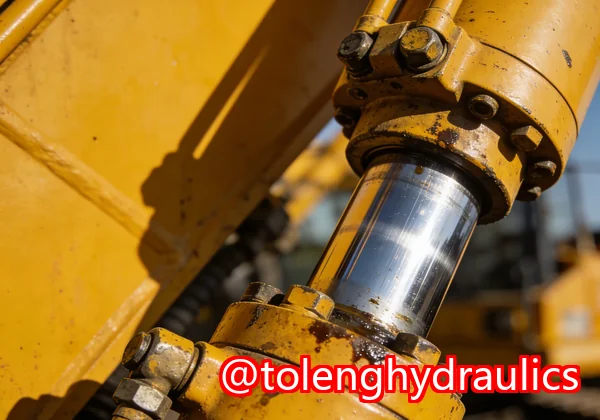
The Importance of Hydraulic Cylinders in Snow Plows
Snow plows rely on hydraulic systems to lift, tilt, and move the plow blade, ensuring that roads are cleared efficiently and safely. When these cylinders fail, it can bring operations to a halt, causing delays and increasing repair costs. A small hydraulic issue can escalate into a major breakdown, leaving you with downtime and repair bills that could have been avoided with proper inspection.
Having worked with many snow removal professionals, I’ve seen firsthand how devastating it can be when cylinders fail under pressure. Whether it’s a seal leak, a rod that bends, or a bore finish that wears prematurely, each problem leads to expensive repairs and frustration. The key to avoiding these failures lies in understanding how to identify high-quality hydraulic cylinders before they are even installed.
Common Challenges When Choosing Hydraulic Cylinders for Snow Plows
In the world of hydraulic cylinders, not all components are made the same. Here are some of the biggest pain points when evaluating hydraulic cylinders for snow plows and other heavy machinery:
1. Appearance Doesn’t Tell the Whole Story
Many buyers mistakenly rely on the appearance of the cylinder, assuming that a shiny, smooth exterior means a quality product. Unfortunately, the true performance of a hydraulic cylinder lies beneath the surface. The cylinder tube material, bore finish, and internal components are far more important than the external appearance.
2. Seal Materials and Rod Surface Finish
The seals and rod finish play crucial roles in the cylinder’s longevity. Poor-quality seals lead to leaks, and improper rod surface finishes can cause early wear, compromising the cylinder’s function. Understanding how to evaluate seal types and rod finishes is critical for ensuring long-lasting performance.
3. Bore Finish and Stroke Lengths
The internal bore finish can directly affect the cylinder’s operation. A rough or inconsistent finish causes premature wear, leading to expensive downtime. Additionally, the stroke length should be measured accurately to ensure it matches your specific needs, preventing performance issues.
Practical Guidance for Evaluating Hydraulic Cylinder Quality
Now, let’s dive into how you can properly evaluate hydraulic cylinders for your snow plows, helping you avoid costly failures and downtime. I’ll break down key aspects of hydraulic cylinders that need close inspection, along with practical tips to guide you.
1. Cylinder Tube Material and Internal Bore Finish
The material of the cylinder tube is one of the most critical factors. It must be durable enough to withstand the high pressures and harsh environments typical in snow removal. Steel alloys that are resistant to corrosion and stress cracking are generally preferred.
To inspect the internal bore finish, use a borescope or mirror inspection tool to check for smoothness and consistency. A rough bore will cause premature seal failure, leading to fluid leaks and degraded performance. If the bore feels gritty or shows visible signs of wear, it’s a red flag.
2. Piston Rod Hardness and Chrome Plating
The piston rod is another vital part of the hydraulic cylinder. It needs to be strong enough to handle the loads and pressures it encounters during operation. Look for high-quality chrome plating on the rod, as it acts as a protective barrier against corrosion and wear. Measure the rod’s hardness using a Rockwell hardness tester to ensure it meets the manufacturer’s specifications.
In snow plows, where conditions can vary from dry snow to slush and salt, the rod’s chrome finish is especially important. Over time, wear from these elements can degrade the rod, leading to leaks and failures.
3. Seal Types and Materials
Seals are often the first point of failure in hydraulic cylinders. For snow plows, it’s important to choose seals designed for cold temperatures and resistance to the de-icing chemicals commonly used in winter. Materials like polyurethane or Viton are common for snow removal, as they offer superior performance in extreme conditions.
Before purchasing, inspect the seals carefully. Look for any signs of cracking, brittleness, or other forms of damage. It’s also a good idea to check the seals’ installation, as improper installation can lead to early failure.
4. Weld Quality on Cylinder Ends and Mounts
Weld quality is often overlooked, but it plays a significant role in cylinder strength and reliability. Poor welds can lead to stress cracks, especially in high-pressure situations like those encountered in snow plowing. Use a magnifying glass to check for any visible flaws in the welds, such as inconsistent or uneven welding beads.
Additionally, inspect the cylinder mounts and ends for signs of wear or damage. Any distortion could signal a problem with the mounting style or a weak weld, which can result in a failure during operation.
Why Proper Inspection Matters
By carefully evaluating hydraulic cylinders before installation, you ensure the equipment can handle the stresses of winter operations. Let’s recap the main benefits of proper inspection:
-
Maximized Equipment Uptime: Prevent unplanned failures by ensuring you’re using high-quality hydraulic cylinders from the start.
-
Reduced Maintenance Costs: Early detection of poor-quality cylinders can save you from expensive repairs and replacements later.
-
Improved Safety: Well-maintained cylinders reduce the risk of malfunction, helping you avoid safety hazards during snow removal operations.
-
Longer Service Life: Proper selection of cylinders ensures they last longer, making your investment go further.
How to Measure Bore Size and Rod Diameter
Measuring bore size and rod diameter is easier than you might think, but accuracy is critical. Use a caliper or micrometer to measure the diameter of both the bore and the rod. Ensure the rod diameter matches the manufacturer’s specifications to avoid misalignment or pressure imbalances.
For bore size, measure the internal diameter of the cylinder tube at different points along its length to ensure it’s consistent. This helps prevent any premature wear due to uneven internal dimensions.
Final Thoughts and Recommendations
After following these inspection tips, you can confidently choose high-quality hydraulic cylinders for your snow plows. I highly recommend checking each cylinder’s material, rod finish, seal type, and bore condition before making a purchase. By doing so, you’ll avoid costly downtime and ensure your snow plows are ready for whatever winter throws their way.
Don’t wait for a breakdown to take actionstart inspecting your hydraulic cylinders today.
Browse our selection of high-quality hydraulic cylinders: 🔗 https://www.tolenghydraulics.com/
Download our complete hydraulic cylinder inspection checklist today.
FAQs
1. How can I tell if a hydraulic cylinder has quality seals?
Look for seals made of durable materials such as polyurethane or Viton. Check for any cracks or signs of wear, and ensure they’re properly installed to avoid leaks.
2. What rod surface finish is best for long seal life?
A smooth, chrome-plated surface ensures that the seals glide smoothly and prevent premature wear. High-quality chrome plating helps protect against corrosion, especially in harsh winter conditions.
3. How do I measure bore size and stroke length correctly?
Use a caliper or micrometer to measure the internal diameter of the cylinder tube. Ensure you measure at multiple points to check for consistency. The stroke length should match the plow’s specifications.
4. What are the signs of a poorly manufactured cylinder?
Signs include rough bore finishes, weak welds, poor rod plating, and defective seals. Always check for visible damage or inconsistencies during inspection.
5. Which cylinder mounting styles are strongest?
Welded cylinders generally offer better durability and strength compared to tie-rod cylinders. However, each mounting style has its use case, so ensure it matches your equipment’s requirements.
6. How do I choose between welded and tie-rod cylinders?
Welded cylinders tend to be stronger and more durable, making them ideal for snow plows. Tie-rod cylinders are easier to repair, but they may not offer the same strength in extreme conditions.
7. What chrome plating thickness should I look for on rods?
For optimal protection, look for chrome plating that’s at least 0.001 inches thick. Thicker plating offers better resistance to wear and corrosion, extending the life of the rod.
Tags or Keywords
-
hydraulic cylinder quality
-
cylinder seals
-
rod finish
-
bore size
-
hydraulic cylinder maintenance
-
cylinder inspection
-
welded hydraulic cylinder
-
tie-rod cylinder
-
hydraulic cylinder buying guide
-
cylinder failure prevention
-
hydraulic cylinder materials

