
Pneumatic Cylinders vs Hydraulic Cylinders: Which Is Better?
When you’re in charge of sourcing and maintaining equipment, you know how critical it is to make the right choices in hydraulic components. I’ve been in situations where the wrong cylinder choice led to unexpected downtimeleaks, failures, and costly repairs. It’s frustrating when a hydraulic cylinder, which is supposed to be a reliable power source, turns out to be subpar. Often, this happens because people struggle with distinguishing between different types of cylinders and understanding what makes them truly durable. This post will give you all the insight you need to confidently choose the best cylinders for your machinery, focusing on key aspects like quality seals, rod finishes, bore sizes, and much more.
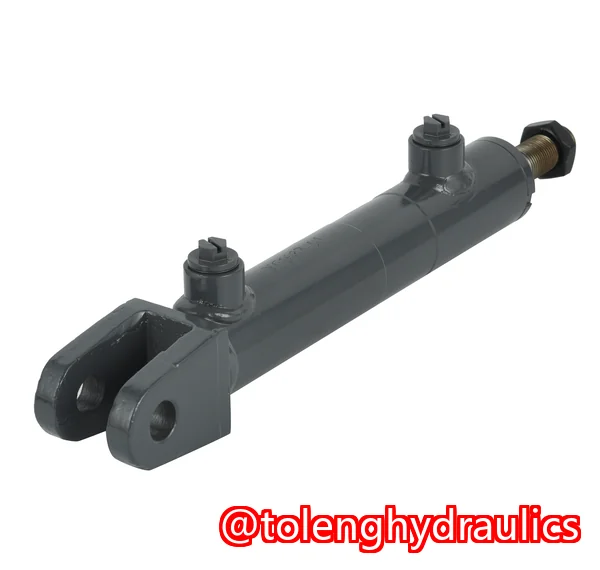
Why It Matters: Understanding Cylinder Quality
Choosing a high-quality hydraulic cylinder isn’t always easy. Whether you’re sourcing cylinders for construction equipment, agricultural machinery, or material handling, you’re likely to encounter a range of options. So, how do you know which one to pick? Let’s break down some common issues you might face when evaluating hydraulic cylinders, and I’ll show you how to avoid them.
Common Pain Points When Evaluating Hydraulic Cylinders
-
Seals That Fail Too Soon
One of the most common causes of premature cylinder failure is poor seal quality. Seals are supposed to keep fluids from leaking out and contaminants from entering the cylinder. If the seals aren’t up to par, you’ll start noticing leaks that can result in catastrophic failures. But how can you tell if a cylinder has good seals?
-
Rod Damage and Surface Defects
The piston rod is the part of the hydraulic cylinder that extends and retracts. If the surface of the rod is too rough, it can cause excessive wear on seals, leading to leaks and even cylinder failure. A damaged rod can also cause the cylinder to function improperly, reducing the efficiency of your entire system.
-
Uncertain Quality: Is It Really Built to Last?
It’s tough to gauge the overall quality of a hydraulic cylinder just by looking at it. Sometimes, what seems like a robust, well-built cylinder might actually be poorly designed. Factors like material quality, weld integrity, and the finish of internal components aren’t always obvious at first glance.
Evaluating Hydraulic Cylinder Quality: What to Look For
To avoid costly downtime and failures, it’s crucial to know how to assess the quality of hydraulic cylinders before purchasing them. Here are some practical tips I’ve learned over the years for inspecting hydraulic cylinders:
1. Inspect the Tube Material and Bore Finish
The cylinder tube should be made from high-quality steel or another durable material. A well-manufactured bore will be smooth and free from defects. Poor bore finishes can lead to excessive wear on seals, which reduces cylinder life. Look for cylinders that have a mirror-like bore finish, which will increase their service life and performance.
2. Check the Piston Rod
The piston rod should be smooth, straight, and made from high-strength steel. A poor-quality rod will wear down your seals and lead to leakage. Look for a rod that has been chrome-plated for added durability. The chrome coating should be thick enough to resist corrosion and protect the rod from wear. If you’re unsure how to assess this, measuring the rod’s hardness is a good start.
3. Seal Quality and Materials
Seals are crucial for preventing fluid leaks, and different types of seals are suitable for different environments. For example, nitrile seals are commonly used for general applications, while Viton seals are more suitable for high-temperature environments. Be sure to check whether the cylinder uses seals that are appropriate for your specific application. It’s also important to look at how the seals are installed and whether there’s any sign of improper sealing.
4. Examine Weld Quality and Cylinder Mounts
Check for welds on cylinder ends and mounts. These should be smooth, clean, and free of cracks. A poorly welded cylinder is a disaster waiting to happen, leading to pressure loss or breakage. Also, assess the mounting styles used. A strong mounting system is key to preventing movement that can cause misalignment and premature failure.
5. Bore Size and Stroke Length
Ensuring that the bore size and stroke length match your specific needs is essential for maximizing cylinder performance. Too small of a bore size can result in a lack of power, while an oversized bore might cause unnecessary wear. Properly measuring and verifying these specifications ensures you’re not over or under-sizing your cylinders.
6. Rod Straightness and Surface Quality
Rod straightness is vital. Even a small bend can cause friction, damaging seals and reducing efficiency. A high-quality cylinder will have a rod that is perfectly straight. Surface defects like pitting or scratches should be nonexistentthese can lead to damage in seals and cause leaks. Always feel the surface and look for signs of roughness.
Why Proper Inspection Matters
Conducting these checks isn’t just about avoiding defects; it’s about protecting your bottom line. Here’s why you should care:
-
Reduce Downtime: Preventing cylinder failure before it happens can save you from costly and unexpected downtime. A poorly chosen cylinder might fail during crucial operations, halting productivity.
-
Increase Cylinder Longevity: Proper inspection ensures that the cylinder you select will have a longer service life, which means fewer replacements and repairs in the long run.
-
Lower Maintenance Costs: Identifying potential issues before purchasing helps you avoid expensive fixes later. It’s much cheaper to make the right decision upfront than deal with costly repairs.
Practical Tips to Maximize Cylinder Longevity
-
Measure Bore Size and Rod Diameter: You can use a caliper to measure both of these accurately. Always ensure the rod is within the tolerance for your equipment’s needs.
-
Check for Signs of Seal Failure: A quick inspection around the cylinder’s seals can often reveal cracks, cuts, or degradation. If the seals are hard or brittle, that’s a red flag.
-
Inspect the Threads: Check the port threads and fitting quality to ensure they’re not worn down or damaged. Loose or worn fittings can cause leaks and system inefficiencies.
Conclusion: Ensure Long-Term Reliability
Having gone through these inspection steps, I can confidently say that choosing the right hydraulic cylinder doesn’t need to be a gamble. By focusing on material quality, proper inspection, and the right specifications, you can make a well-informed decision that will deliver years of reliable performance. I highly recommend following these inspection guidelines to ensure that your hydraulic cylinders provide long-term reliability and excellent performance, preventing failures before they occur.
For more help in choosing the best cylinders, browse our selection of high-quality hydraulic cylinders at 🔗 Toleng Hydraulics. Or, download our comprehensive hydraulic cylinder inspection checklist to make your next purchase even easier.
FAQ
-
How can I tell if a hydraulic cylinder has quality seals?
Look for seals that are installed properly, made from durable materials like Viton or PTFE, and free of any visible damage or wear. Also, check for tight seals on both the piston and rod.
-
What rod surface finish is best for long seal life?
A smooth, chrome-plated rod surface minimizes wear and prolongs the life of seals by reducing friction.
-
How do I measure bore size and stroke length correctly?
Use a caliper to measure the internal diameter of the cylinder bore. For stroke length, extend the piston fully and measure the distance from the cylinder head to the piston rod.
-
What are the signs of a poorly manufactured cylinder?
Look for uneven welds, rough rod surfaces, or any signs of cracks. A poorly made cylinder will also show irregularities in the bore finish and mount alignment.
-
Which cylinder mounting styles are strongest?
Welded mount styles tend to offer the most strength and stability. Tie-rod cylinders are typically more versatile but might not provide the same durability under extreme stress.
-
How do I choose between welded and tie-rod cylinders?
Welded cylinders are often stronger and more durable, making them ideal for heavy-duty applications. Tie-rod cylinders are more flexible and easier to service but may not be as strong in certain conditions.
-
What chrome plating thickness should I look for on rods?
Look for a chrome plating thickness of at least 20 microns, which will offer the best balance of wear resistance and corrosion protection.
Tags or Keywords
-
hydraulic cylinder quality, cylinder seals, rod finish, bore size, hydraulic cylinder maintenance, cylinder inspection, welded hydraulic cylinder, tie-rod cylinder, hydraulic cylinder buying guide, cylinder failure prevention, hydraulic cylinder materials

