
Electric Actuators vs Hydraulic Cylinders: A Complete Comparison
When it comes to powering machinery in industries like construction, agriculture, and manufacturing, choosing the right actuator is crucial for both performance and longevity. Two popular options in the market are electric actuators and hydraulic cylinders. While both perform similar tasksconverting energy into linear motionunderstanding their differences is essential to making an informed decision about which is best suited for your needs. In this post, we’ll dive deep into a comparison of electric actuators and hydraulic cylinders, helping you to assess which system will work best for your specific application.
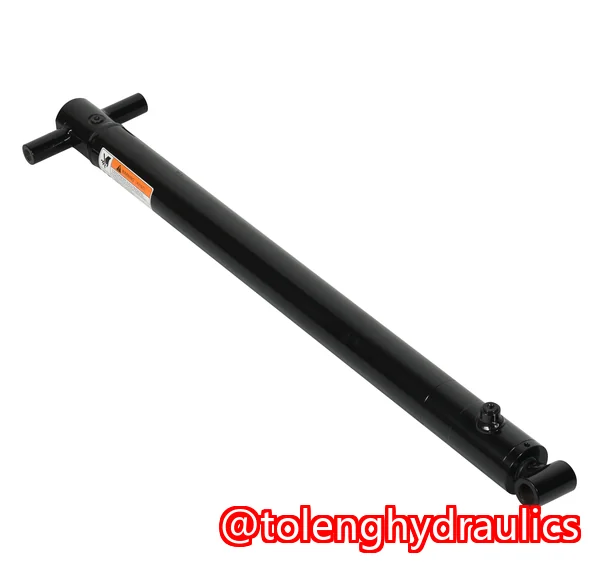
Imagine you’re in the middle of a large construction project when a crucial piece of equipment suddenly breaks down. The culprit? A failed hydraulic cylinder that has prematurely leaked or suffered damage to its seals, rod, or bore. Sound familiar? It’s a scenario I’ve encountered many times, and it can bring operations to a haltresulting in costly downtime, extensive repairs, and sometimes, even worse. As someone who’s worked with machinery for years, I’ve come to realize just how important it is to choose high-quality hydraulic cylinders that can handle tough conditions, and how avoiding issues like rod damage, seal failures, and poor materials can save a lot of headaches.
So, how do you avoid these costly failures? The first step is knowing what to look for when selecting hydraulic cylinders and understanding the key differences between hydraulic and electric actuators. This guide will help you do just that.
Understanding the Basics: Electric Actuators vs Hydraulic Cylinders
Before diving into the specifics, let’s first define what each system is and what makes them unique.
Electric Actuators:
Electric actuators convert electrical energy into mechanical motion using motors. These actuators are typically used in applications where precise control and less maintenance are required. They operate cleanly and without the need for fluids like oil, which makes them ideal for situations where space and cleanliness are paramount. Electric actuators are often used in industries such as food processing, robotics, and some light-duty automation systems.
Hydraulic Cylinders:
On the other hand, hydraulic cylinders use pressurized fluid (typically oil) to generate force. These cylinders are known for their ability to lift or move heavy loads, making them essential in industries like construction, agriculture, and manufacturing. They deliver more power in a compact form and can handle high loads without sacrificing reliability. However, they require careful maintenance and a solid understanding of their components to ensure they continue to operate smoothly over time.
Common Pain Points When Evaluating Hydraulic Cylinders
In my experience, when choosing hydraulic cylinders, the quality of the components is just as important as the type of actuator. Several pain points arise when assessing hydraulic cylinders, and understanding how to avoid them can save a lot of money and time.
-
Uncertainty About Cylinder Quality
One of the biggest challenges when selecting hydraulic cylinders is distinguishing genuine quality from poor imitations. At first glance, two cylinders might look the same, but subtle differences in manufacturing can affect their long-term performance. This is especially true with the seals, rod surface finishes, and bore quality.
-
Seal Materials and Rod Surface Finish
Seals are vital for the smooth operation of hydraulic cylinders. Poor-quality seals or improper installation can lead to leakage, which, over time, may cause cylinder failure. Similarly, the surface finish of the piston rod is a critical factor. Rough or uneven finishes can cause seals to wear out prematurely, leading to additional maintenance issues.
-
Bore Finish and Stroke Length
Inconsistent bore finishes can cause unnecessary wear on the cylinder’s internal components. When the bore is not properly finished, it can result in friction that reduces the cylinder’s life span. Additionally, incorrect stroke lengths can result in poor performance or inefficient operation of machinery.
The Importance of Quality Hydraulic Cylinder Inspection
When it comes to inspecting hydraulic cylinders, knowing exactly what to look for can make all the difference. Here’s a straightforward approach to evaluating hydraulic cylinder quality:
-
Cylinder Tube Material and Internal Bore Finish
Start by checking the material of the cylinder tube. A high-quality hydraulic cylinder should use durable materials such as cold-drawn seamless steel tubes. The internal bore should have a smooth, even finish to minimize wear and tear on seals and reduce friction.
-
Piston Rod Hardness and Surface Finish
The piston rod should be made of a material that is both hard and resistant to corrosion. A high-quality rod typically has a chrome-plated finish, which not only protects against corrosion but also reduces friction between the rod and the seals. Ensure that the chrome plating is thick enough to provide durability. You can measure this with a micrometer for an accurate assessment.
-
Seal Types and Materials
Check the seals used in the hydraulic cylinder. These should be made from high-quality, durable materials such as polyurethane or nitrile rubber, depending on the application. Different seals are designed for specific environments, so it’s essential to choose the right one for your needs to prevent leaks and prolong cylinder life.
-
Weld Quality on Cylinder Ends and Mounts
Inspect the welds on the cylinder ends and mounts. These are critical to the cylinder’s strength and integrity. Poor welds can result in fractures or cylinder misalignment, leading to early failure.
Practical Tips for Hydraulic Cylinder Inspection
To ensure you’re choosing a high-quality hydraulic cylinder, here are some practical tips to follow:
-
Measure Bore Size and Rod Diameter
Accurate measurements are crucial. Use calipers or a bore gauge to measure the internal diameter of the bore and the rod diameter. This ensures that the cylinder will fit properly and operate efficiently.
-
Look for Signs of Poor Seal Quality
A good seal should be smooth and free of cracks or damage. If you notice any signs of wear or improper installation, it could lead to future leakage and inefficiency. Inspect both the static and dynamic seals to ensure they’re in top condition.
-
Check Rod Straightness and Surface Defects
A bent or misaligned rod can lead to operational issues, including premature seal wear and cylinder misfire. A simple straightedge can help you determine if the rod is aligned properly. Additionally, look for any surface imperfections like pitting, scratches, or corrosion that could affect performance.
-
Inspect Port Threads and Fitting Quality
Check the quality of the threads on the cylinder’s ports and the fittings. Any cross-threading or damage can lead to leaks or poor connectivity, resulting in pressure loss.
Why Choosing Quality Hydraulic Cylinders Matters
By following these inspection guidelines, you’ll ensure that the hydraulic cylinders you purchase will provide long-term reliability and performance. Quality hydraulic cylinders can extend the lifespan of your equipment, reduce costly downtime, and ensure smooth operations for years to come.
I highly recommend using these inspection methods whenever you’re sourcing hydraulic cylinders for your equipment. Avoiding cheap imitations or poorly made products can save you significant money and hassle in the long run. If you need assistance finding high-quality hydraulic cylinders, I encourage you to browse our selection at 🔗 Toleng Hydraulics.
Conclusion
When it comes to making the right decision between electric actuators and hydraulic cylinders, it all comes down to the specific requirements of your application. Electric actuators are great for clean, precise control in light-duty applications, while hydraulic cylinders are the heavy-lifters that provide raw power for tough environments.
By understanding how to inspect hydraulic cylinders for quality, you’ll ensure your equipment runs smoothly, without premature failures or costly repairs. Be proactive in your inspection process and invest in high-quality components that will keep your machinery operating at peak performance.
FAQ
-
How can I tell if a hydraulic cylinder has quality seals?
High-quality seals should be made from durable materials and installed correctly. Inspect them for any signs of wear, cracks, or poor installation.
-
What rod surface finish is best for long seal life?
A smooth, chrome-plated finish is ideal for reducing friction and wear on seals. Ensure the plating is thick enough to resist corrosion and damage.
-
How do I measure bore size and stroke length correctly?
Use calipers or a bore gauge to measure the internal diameter of the cylinder’s bore. For stroke length, simply measure the distance the piston moves within the cylinder.
-
What are the signs of a poorly manufactured cylinder?
Signs include poor welds, uneven surfaces on the piston rod, rough internal bores, and low-quality seals. These all contribute to reduced performance and reliability.
-
Which cylinder mounting styles are strongest?
Welded cylinders tend to be stronger and more robust than tie-rod cylinders, making them suitable for high-pressure and heavy-duty applications.
-
How do I choose between welded and tie-rod cylinders?
Welded cylinders offer greater strength and are ideal for harsh conditions, while tie-rod cylinders are easier to maintain and more cost-effective for lighter-duty applications.
-
What chrome plating thickness should I look for on rods?
The chrome plating should be at least 0.001 inches thick to ensure it provides adequate protection against corrosion and wear.
Tags or Keywords
-
hydraulic cylinder quality, cylinder seals, rod finish, bore size, hydraulic cylinder maintenance, cylinder inspection, welded hydraulic cylinder, tie-rod cylinder, hydraulic cylinder buying guide, cylinder failure prevention, hydraulic cylinder materials

