
How to Replace Seals in a Hydraulic Cylinder Without Special Tools
When you’re working with heavy machinery, a hydraulic cylinder failure can be a nightmare. If you’re like me, you’ve probably encountered one of those frustrating moments where a hydraulic cylinder starts leaking, or the equipment refuses to operate as it should. Sometimes, these problems are related to seal failure or worn-out components. But what if you could fix those seals without needing a special set of tools?
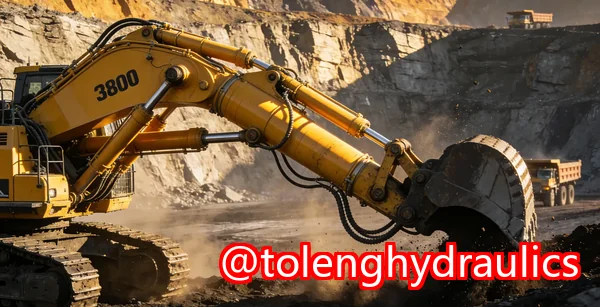
In this guide, I’ll walk you through how to replace seals in a hydraulic cylinder without the need for expensive or specialized equipment. With the right approach, you can save money on repairs, prevent unnecessary downtime, and keep your machinery running smoothly. I’ll also discuss key tips for ensuring the overall quality of your hydraulic cylinders, so you can avoid these issues in the first place.
The Common Problem: Hydraulic Cylinder Seal Failures
Hydraulic cylinders are critical components in many types of heavy equipment, including construction machinery, agricultural vehicles, and industrial automation systems. They rely on seals to maintain pressure, prevent leaks, and ensure smooth operation. Over time, seals wear down due to constant pressure, temperature fluctuations, or contamination. This can result in poor performance, inefficient operation, or even complete system failure.
The good news is that replacing seals in a hydraulic cylinder is not as difficult as it may seem. With the right knowledge and approach, even a basic maintenance technician can replace seals without the need for special tools.
Step-by-Step Guide to Replacing Hydraulic Cylinder Seals
1. Identify the Type of Hydraulic Cylinder
Before you start replacing seals, it’s important to know what kind of hydraulic cylinder you’re dealing with. There are two common types: welded cylinders and tie-rod cylinders. Each type has different methods for disassembly and seal replacement.
-
Welded cylinders: These are typically more compact and durable, used in higher-pressure applications. They don’t have external bolts or screws, so you’ll need to cut the cylinder open to replace seals.
-
Tie-rod cylinders: These are easier to service since they have external bolts that hold the cylinder ends together. This makes accessing and replacing seals relatively simple.
2. Disassemble the Cylinder
Once you’ve identified the cylinder type, the next step is disassembling the hydraulic cylinder. Here’s how to do it:
-
Remove the cylinder from the machine: Carefully disconnect the hydraulic lines and remove the cylinder from its mount. Make sure to follow the machine’s safety protocols to avoid injury.
-
Inspect the cylinder externally: Before diving into the disassembly, inspect the cylinder for any obvious damage, cracks, or deformations. You want to address these issues before proceeding with the seal replacement.
-
Remove the cylinder ends: For welded cylinders, this may require cutting or grinding. For tie-rod cylinders, simply unbolt the rods and separate the cylinder ends.
3. Remove the Old Seals
Now that the cylinder is open, you can start removing the old seals. This is usually the trickiest part of the process because seals can become stuck in place due to wear or the hydraulic fluid’s adhesive properties.
-
Use a flathead screwdriver or seal removal tool to gently pry out the old seals. Be careful not to scratch the cylinder’s bore or the rod, as this can lead to further damage when you install the new seals.
-
If you’re working with a welded cylinder, you may need to carefully remove the seal grooves with a tool to make space for the new seals.
4. Clean the Cylinder Components
Before installing new seals, you need to thoroughly clean the cylinder components. This includes the piston rod, cylinder bore, and the cylinder ends.
-
Use a lint-free cloth and a mild solvent to clean the parts. You want to remove all dirt, grime, and oil residue, as contamination can cause premature seal failure.
-
Inspect the piston rod for any wear, pitting, or surface defects. A damaged rod should be replaced, as it will cause the new seals to fail prematurely.
5. Install the New Seals
Once the components are cleaned and prepped, you can install the new seals. Here’s how:
-
Choose the right seals: When replacing seals, make sure you select the correct type based on the hydraulic cylinder’s design and the type of fluid it uses. Common seal types include O-rings, U-cups, and lip seals.
-
Lubricate the seals: Lightly lubricate the seals with hydraulic oil or a compatible grease before installing them. This helps the seals slide into place more easily and prevents them from becoming damaged during installation.
-
Install the seals: Carefully press the new seals into the grooves, ensuring they are seated properly and evenly. Be cautious not to over-compress the seals, as this can affect their performance.
6. Reassemble the Cylinder
Once the seals are in place, reassemble the cylinder by carefully reattaching the cylinder ends and bolting everything back together. For welded cylinders, ensure the welds are intact and secure.
-
Reinstall the cylinder in the machine: Once the cylinder is fully reassembled, it’s time to reinstall it back into the machine. Reconnect the hydraulic lines and check for any leaks during initial operation.
7. Test the Cylinder
Finally, test the hydraulic cylinder by cycling the machine through its range of motion. Look for any signs of leaking, unusual noise, or poor performance. If everything looks good, you’ve successfully replaced the seals without the need for special tools!
How to Avoid Seal Failures and Ensure Hydraulic Cylinder Quality
While seal replacement is a critical skill, the best way to minimize issues is by selecting high-quality hydraulic cylinders to begin with. Here are a few tips for ensuring you’re purchasing reliable cylinders that will withstand the test of time:
-
Inspect the cylinder bore: A smooth, consistent bore finish is essential for preventing seal wear. When evaluating a cylinder, check that the bore is free of pits, scratches, or scoring.
-
Check the rod finish: The rod surface should be smooth and free of any marks or imperfections. Look for a proper chrome plating thickness to ensure durability.
-
Verify seal types and materials: Choose seals that are suitable for the specific application. For example, some seals perform better in high temperatures, while others may excel in high-pressure environments.
-
Assess mounting styles: The mounting style of the hydraulic cylinder will affect its overall strength and durability. Make sure the mounting style matches the demands of the machine and the worksite.
Conclusion: Keep Your Equipment Running Smoothly
Replacing seals in a hydraulic cylinder doesn’t have to be complicated. By following the right steps and maintaining a focus on high-quality materials, you can prevent seal failures and extend the lifespan of your cylinders. If you’re in the market for new hydraulic cylinders, consider our selection at 🔗 Toleng Hydraulics. We offer high-quality products that can stand up to the toughest industrial, construction, and agricultural applications.
Download our complete hydraulic cylinder inspection checklist today to ensure your equipment stays in top shape.
FAQ
How can I tell if a hydraulic cylinder has quality seals?
-
Look for seals that are made of high-quality materials, such as polyurethane or nitrile rubber. They should fit snugly in their grooves without any gaps or signs of wear.
What rod surface finish is best for long seal life?
-
A smooth, hard chrome plating with a fine finish is ideal for reducing friction and ensuring a long seal life. The rod should be free of imperfections that could damage seals.
How do I measure bore size and stroke length correctly?
-
Use calipers to measure the internal diameter of the cylinder bore. For stroke length, measure from one end of the cylinder to the other, ensuring to account for any piston travel.
What are the signs of a poorly manufactured cylinder?
-
Signs include rough welds, poor finish on the rod or bore, misaligned parts, or poor-quality seals that lead to premature wear.
Which cylinder mounting styles are strongest?
-
Welded cylinders tend to offer the strongest mounting options due to their robust design. Tie-rod cylinders can be strong but may be more susceptible to wear and tear depending on the application.
How do I choose between welded and tie-rod cylinders?
-
Welded cylinders are more compact and are used for higher-pressure applications. Tie-rod cylinders are easier to maintain and are more common in lower-pressure settings.
What chrome plating thickness should I look for on rods?
-
A chrome plating thickness of around 0.001 to 0.002 inches is ideal for most applications, providing durability without being too thick to cause friction issues.
Keywords:
hydraulic cylinder quality, cylinder seals, rod finish, bore size, hydraulic cylinder maintenance, cylinder inspection, welded hydraulic cylinder, tie-rod cylinder, hydraulic cylinder buying guide, cylinder failure prevention, hydraulic cylinder materials

